Terracotta Blush: The Warm Flush Everyone's Wearing
What Terracotta Blush Actually Is
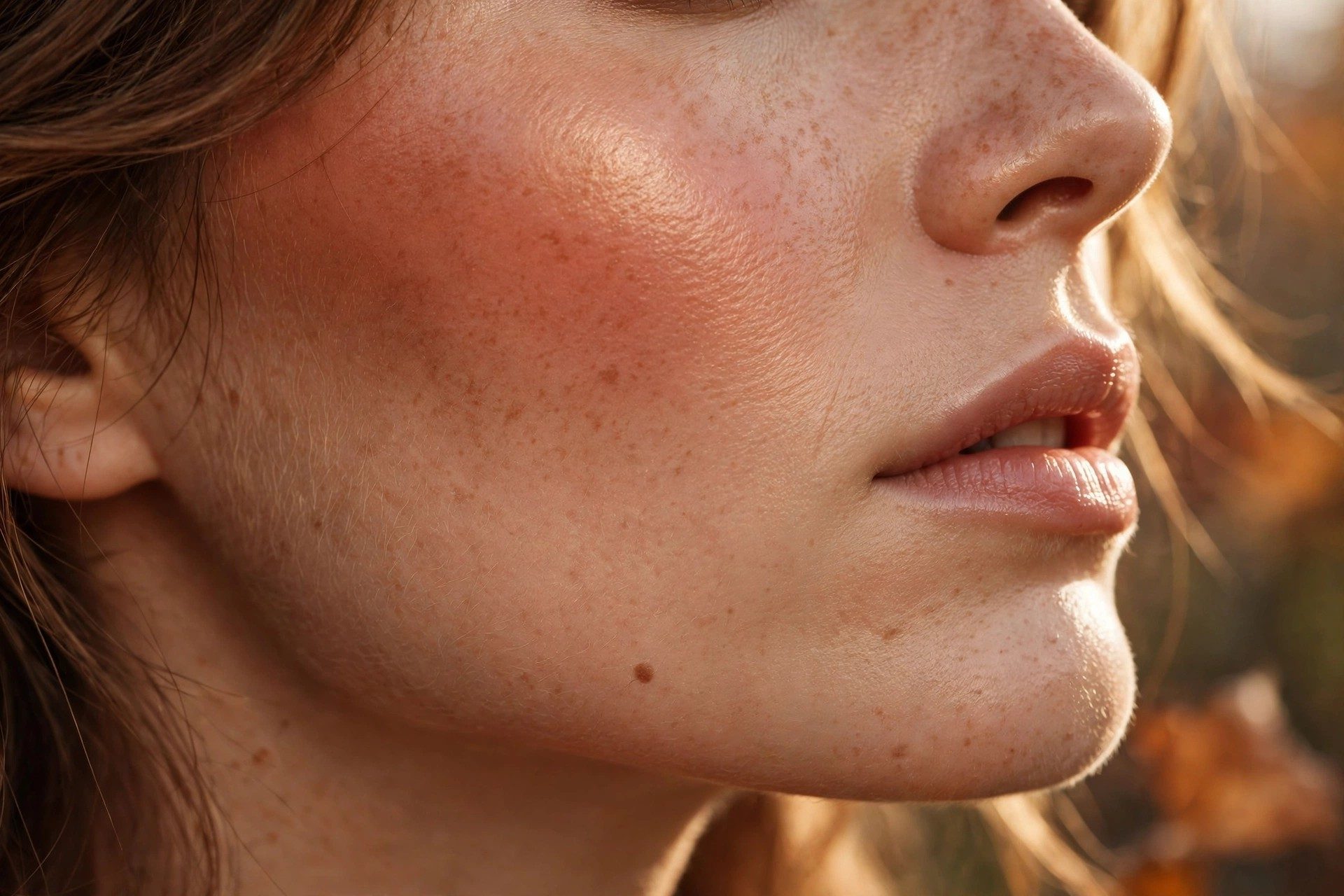
Terracotta blush is exactly what the name promises: a warm, earthy rose-brown, the color of a terracotta pot left in the sun. Not pink, not brown, not orange — it lives right in the middle, with enough rosy warmth to read as a flush and enough earthiness to feel grown-up. If pink blush is a spring morning, terracotta is a late October afternoon.
The shade sits in a sweet spot that explains half its appeal. It is warmer and deeper than a classic rose blush, softer and rosier than a true bronzer, and miles away from the bright corals that dominated the last few summers. On the cheek, it does something pink sometimes cannot: it looks like color that comes from inside the skin, the way your cheeks look after a brisk walk in cold air.
And the finish matters. Terracotta works best with a soft, diffused edge — no hard lines, no stripe of color sitting on top of the skin. Blended well, it warms the whole face without reading as orange, which is the fear that keeps most people from trying it. Blended badly, well, that is what this guide is for.
Why Terracotta Is Having a Moment Right Now
Here is the number that caught our eye. Pinterest's first-ever Beauty Trend Report, published in October 2026, puts searches for “terracotta blush makeup” up 164% — and it names terracotta as one of the shades driving the whole “Cheeky Flush” moment, alongside dusty rose, peach, and berry. Blush, in the report's words, is doing the most right now. It has stopped being the last step in a routine and started being the look itself.
The timing makes sense. We are heading into winter, and pink blush starts to look cold on a lot of skin once the light goes flat and pale. Terracotta does the opposite: it brings warmth back to a winter face. Beauty writers have been calling it the winter blush that is not pink, and the logic is hard to argue with — when everything outside is grey, a warm cheek is the fastest way to look alive.
There is a bigger shift behind it too. Blush has quietly replaced contour as the main way people shape their faces. Instead of carving cheekbones with a cool brown shadow, the 2026 move is to sweep warm color high on the cheekbones and blend it up toward the temples — blush draping, blush blocking, whatever you want to call it. Terracotta is built for that placement: it is deep enough to give shape, warm enough to look like skin, and forgiving enough that a slightly heavy hand still looks intentional.
And honestly? It fits the whole mood of fall 2026 makeup. Toasty, bronzy, warm-brown faces are everywhere on TikTok right now, and terracotta blush is the cheek version of that same feeling. It pairs with the brown mascara and berry lips we have already covered, and it asks for nothing complicated — no new technique, no expensive tool, just a warmer shade in the same spot you already put blush.
Who Terracotta Blush Suits (and Who Should Go Sheer)
The short answer: almost everyone, with one honest condition — pick the right depth for your skin, not the shade that photographs best.
Fair skin: go light and sheer. A soft, muted terracotta adds warmth without overwhelming a pale complexion, and it is genuinely lovely in winter when pink starts looking chilly. Start with a light hand and build up slowly; a sheer wash is the whole point here.
Medium and olive skin: this is terracotta's home turf. The warm undertones in the shade bring out the golden tones in olive and medium skin beautifully, and you can go richer and deeper than fair skin can. If you have ever felt that pink blush disappears on you by lunchtime, terracotta is probably your shade.
Deep skin: go bold. Rich, pigmented terracotta, burnt orange, and brick-red shades add gorgeous dimension on deep skin without looking ashy — the warmth reads as glow, not mud. Deeper skin can carry the most saturated versions of the shade, and they look stunning.
Undertones matter too. Warm and neutral undertones are the natural match, since the shade is warm by nature. Cool undertones can still wear it — just choose a terracotta with a rosier, pinker lean rather than a straight orange-brown, and keep the application sheer. The shade should look like a flush, not a stripe.
If you already love the softer side of this family, our dusty rose blush guide covers the cooler, rosier cousin — same high placement, gentler warmth.
How to Apply It: Cream vs Powder, Placement, and the Orange Trap
Getting terracotta right is mostly about two things: the formula you pick, and how little of it you start with.
Step one: pick your formula. Cream blush is easier to blend and looks the most natural, especially on dry winter skin — you can pat it on with your fingers and it melts in. Powder lasts longer, works better on oily skin, and layers neatly over foundation. Liquid and stick formulas sit somewhere in between. There is no wrong answer here, only the one that matches your skin and your patience.
Step two: place it high. Smile, find the top of your cheekbones, and tap a small amount there — not on the apples of your cheeks, the way blush used to be taught. Then blend it up toward your temples. This higher placement is what gives the lifted, sculpted look, and it is the placement every fall 2026 roundup keeps showing.
Step three: blend like you mean it. With a powder, use a fluffy brush and soft circular motions until there are no visible edges. With a cream or liquid, pat — do not rub — or you will drag your foundation off with it. The goal is a watercolor effect: color that fades into skin with no line where it starts.
Step four: build slowly. This is the mistake most people make with a warm shade. One heavy swipe looks orange; three sheer layers look like a real flush. Start with half as much as you think you need, check it in daylight, and add more only if you want it.
One more trick worth stealing: a deeper terracotta works beautifully as an underpainting — a sheer layer under foundation in the hollows of the cheeks, to add warmth and shape before the rest of your makeup goes on. And for staying power, the layering trick makeup artists keep recommending really does work: powder first to set the color, then a touch of cream on top for the glow.
Our Honest Verdict: Worth Trying?
Yes — with one honest condition. Terracotta blush is at its best when you treat it as a warm flush, not a statement color. A sheer layer swept high on the cheekbones, blended toward the temples, looks polished, lasts well, and fits into an actual week of work, errands, and evenings out.
Who should try it: anyone whose pink blush looks cold in winter, anyone with medium, olive, or deep skin who wants a shade that actually shows up, and anyone who has been curious about the whole warm, toasty fall makeup mood but did not know where to start. Terracotta is the easiest way in — one product, one spot, no new skills.
Who can skip it: if you only wear cool pinks and find warm tones a bit too much, this one probably will not convert you — and that is fine. Terracotta is not trying to be subtle or cool. It is trying to be the blush you reach for when you want to look warm, healthy, and put-together without thinking about it.
What do we pair it with? Warm bronze or soft brown eyeshadow, a nude or soft brick lip, and skin that still looks like skin. Keep everything in the same warm family and the face pulls itself together. Our verdict? Start with a cream formula in a medium terracotta, applied high and blended well. It is the version that gets compliments from strangers, the one that makes a plain outfit feel intentional, and the one that somehow works for a Tuesday and still shines on a Saturday night. Sometimes the warmest trends are also the smartest — and this one is very, very wearable.
Frequently asked questions
What is terracotta blush?
Terracotta blush is a warm, earthy rose-brown blush — think baked clay, sun-warmed brick, or the color of a terracotta pot. It sits between a pink blush and a bronzer: warmer and deeper than rose, softer and rosier than a true brown. Worn well, it looks like a natural flush after a walk in cold air, not like makeup sitting on top of your skin.
Does terracotta blush suit fair skin?
Yes — and honestly, fair skin might be where it shines most in winter. Pink blush can look cold and a little blue on pale skin when the weather turns, while terracotta brings warmth back. The trick is to go sheer: pick a lighter terracotta, tap on a small amount, and blend it well. Start with half as much as you think you need — you can always add more, and a soft wash beats a stripe every time.
Is terracotta blush the same as bronzer?
They are cousins, not twins. Bronzer is meant to mimic a tan, so it goes where the sun would hit — forehead, nose, jawline — and it usually has a browner, sometimes shimmery finish. Terracotta blush is a flush, so it goes on the cheeks and up toward the temples, and it carries a rosy warmth bronzer does not have. You can wear both, but they do different jobs: bronzer warms the whole face, terracotta blush gives you the color in your cheeks.
Cream or powder terracotta blush — which is better?
It depends on your skin and how much time you have. Cream terracotta blush melts into the skin, looks the most natural, and is the easiest to blend — it is our pick for dry or normal skin and for anyone who wants that lit-from-within glow. Powder lasts longer and is more forgiving on oily skin, and it layers beautifully over foundation. If you want the best of both, try the trick makeup artists keep recommending: a light layer of powder first to set the color, then a touch of cream on top for the glow.
What lipstick goes with terracotta blush?
Keep it in the same warm family and you cannot go far wrong. A nude or peachy-pink lip is the easy everyday match, a soft brick or muted berry lip turns it into a full fall look, and a warm brown gloss works for evenings. What we would skip: a cool blue-pink lipstick, which fights the warmth in the blush and makes the whole face look confused. When the cheeks are warm, the lips should be warm too.
You may also like
Brown Mascara: The Soft Swap Taking Over
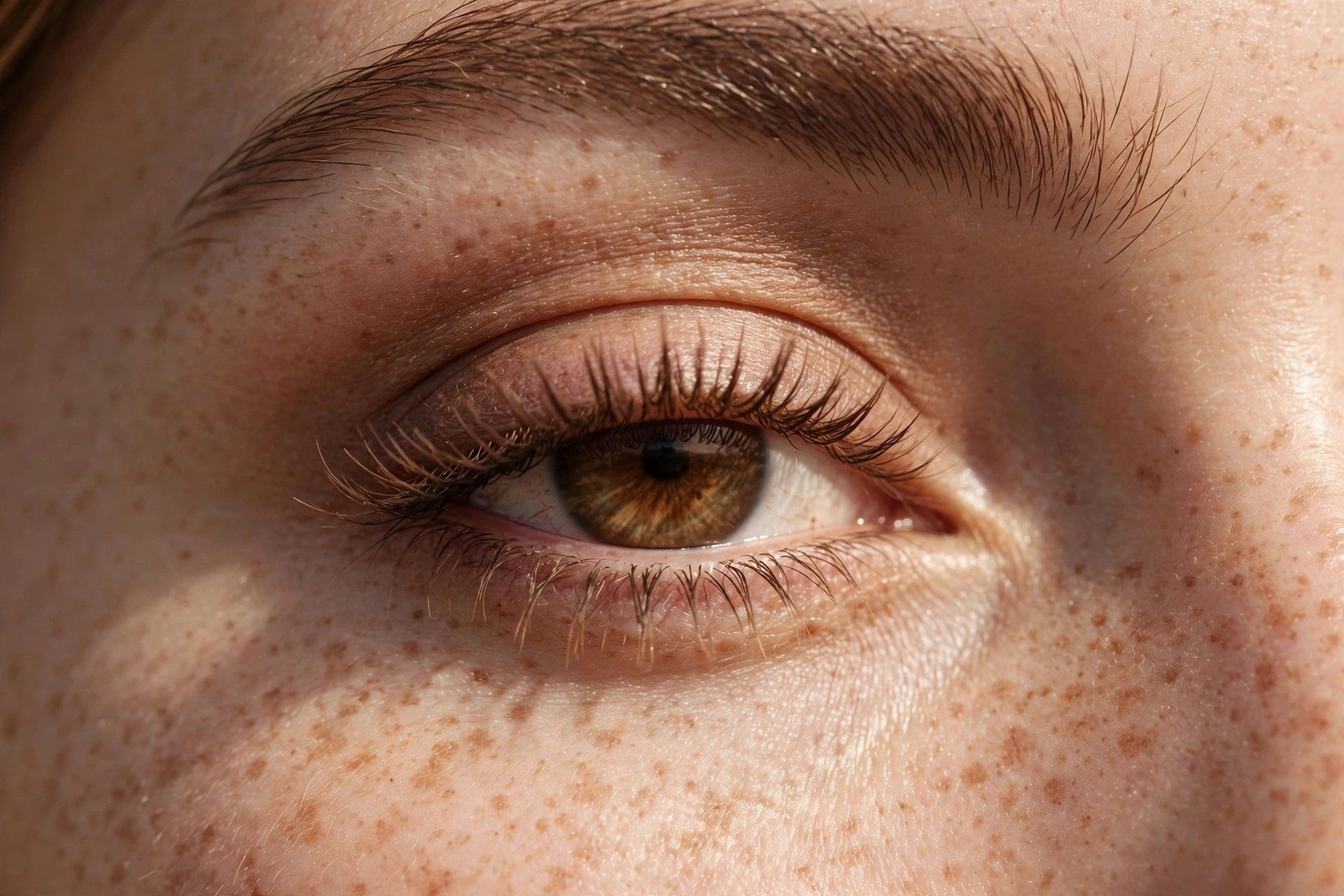
Brown mascara is having a real moment — softer than black, warmer on the eyes, and all over TikTok. Here's why the swap works, which shade to pick, and how to make it actually show up.
Silver Eyeliner Makeup: The Icy Swap for Black Liner
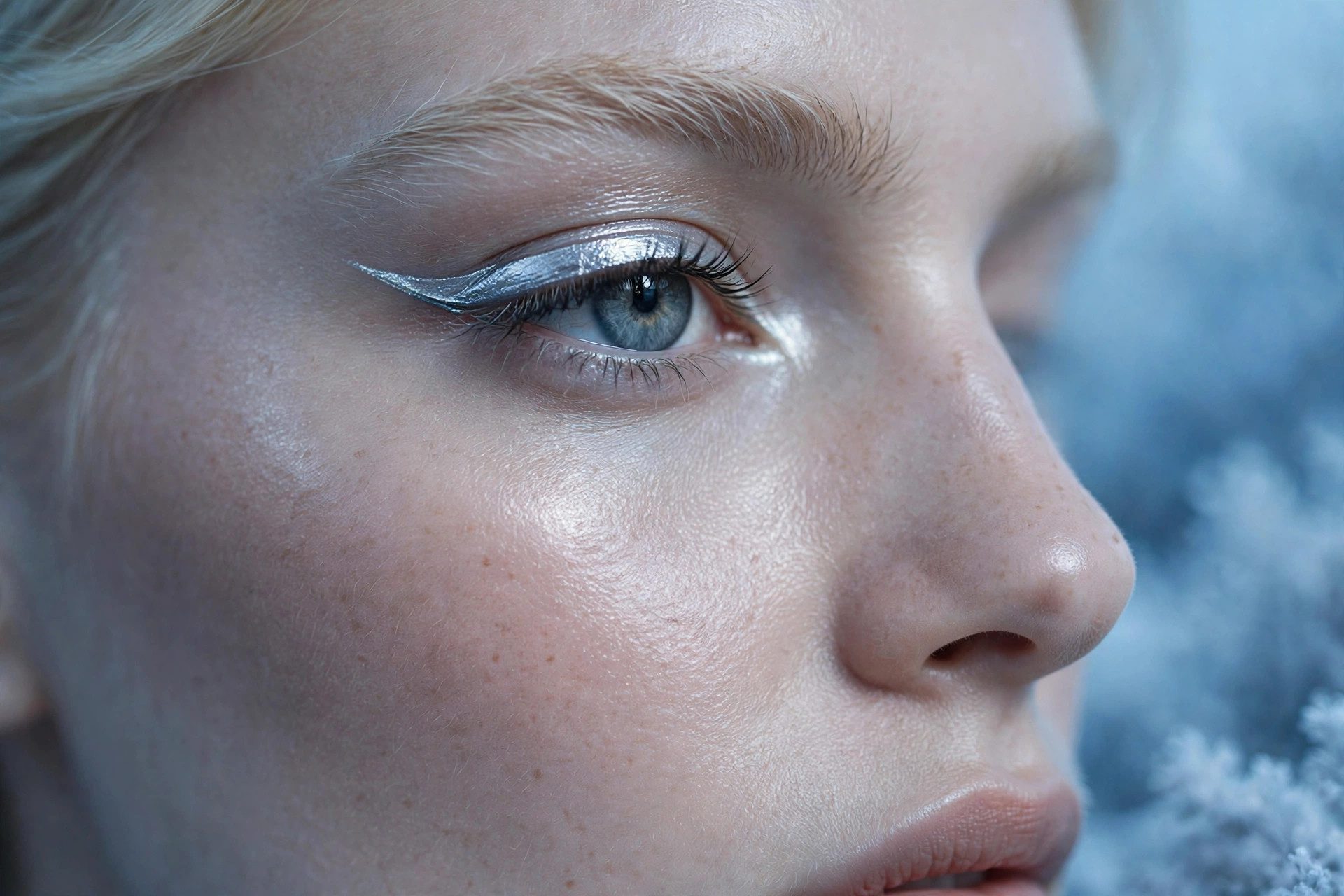
Silver eyeliner makeup is fall 2026's coolest swap: one metallic line that catches the light and wakes up your whole face. Here's how to wear it, from a soft daytime flick to a full chrome wing.
Purple Blush: The Fall Makeup Trend Worth Trying
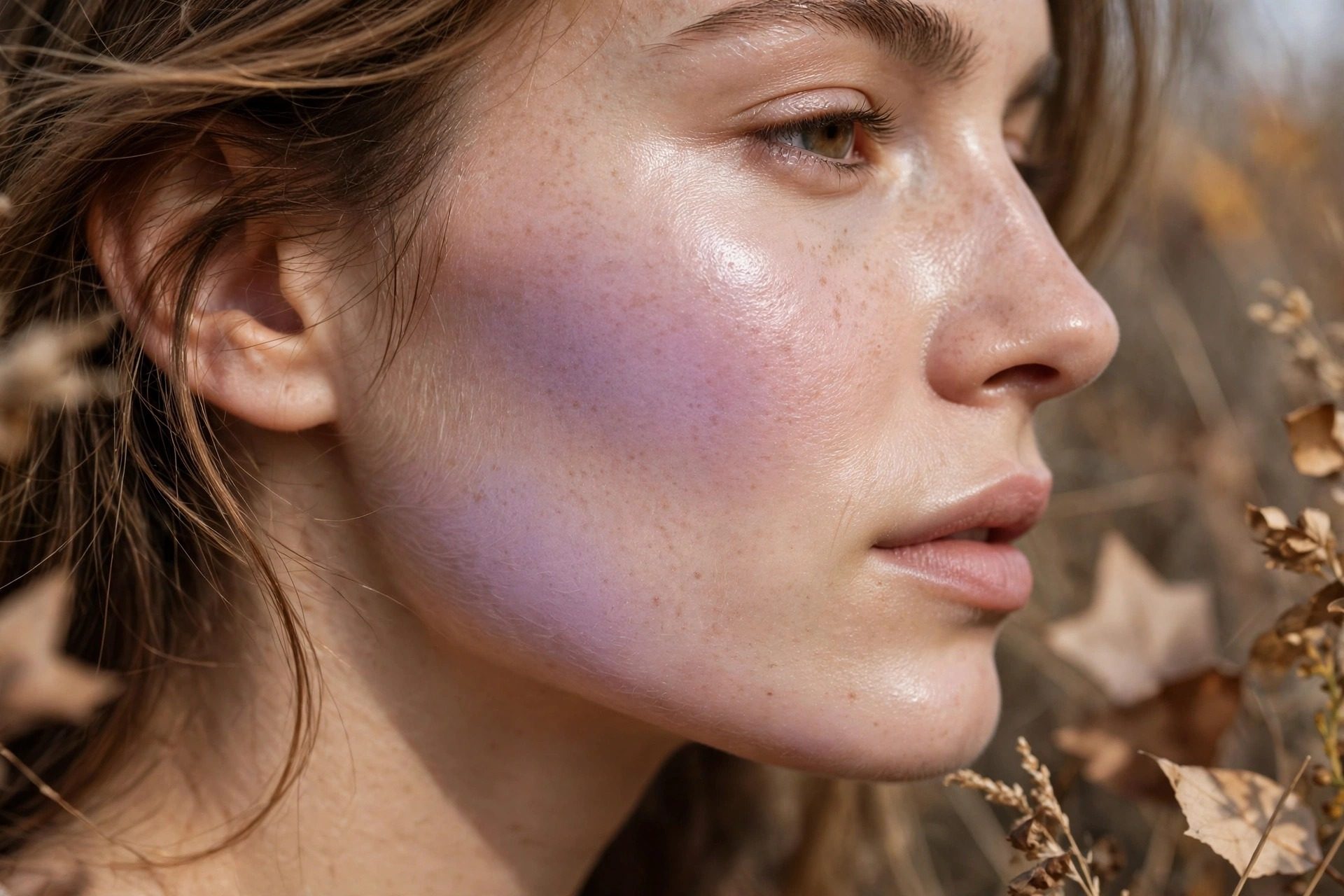
Purple blush sounds wild in the pan and surprisingly soft on the skin. Here is how to pick your shade, place it right, and wear fall 2026's cool-toned flush without looking purple.