Purple Blush: The Fall Makeup Trend Worth Trying
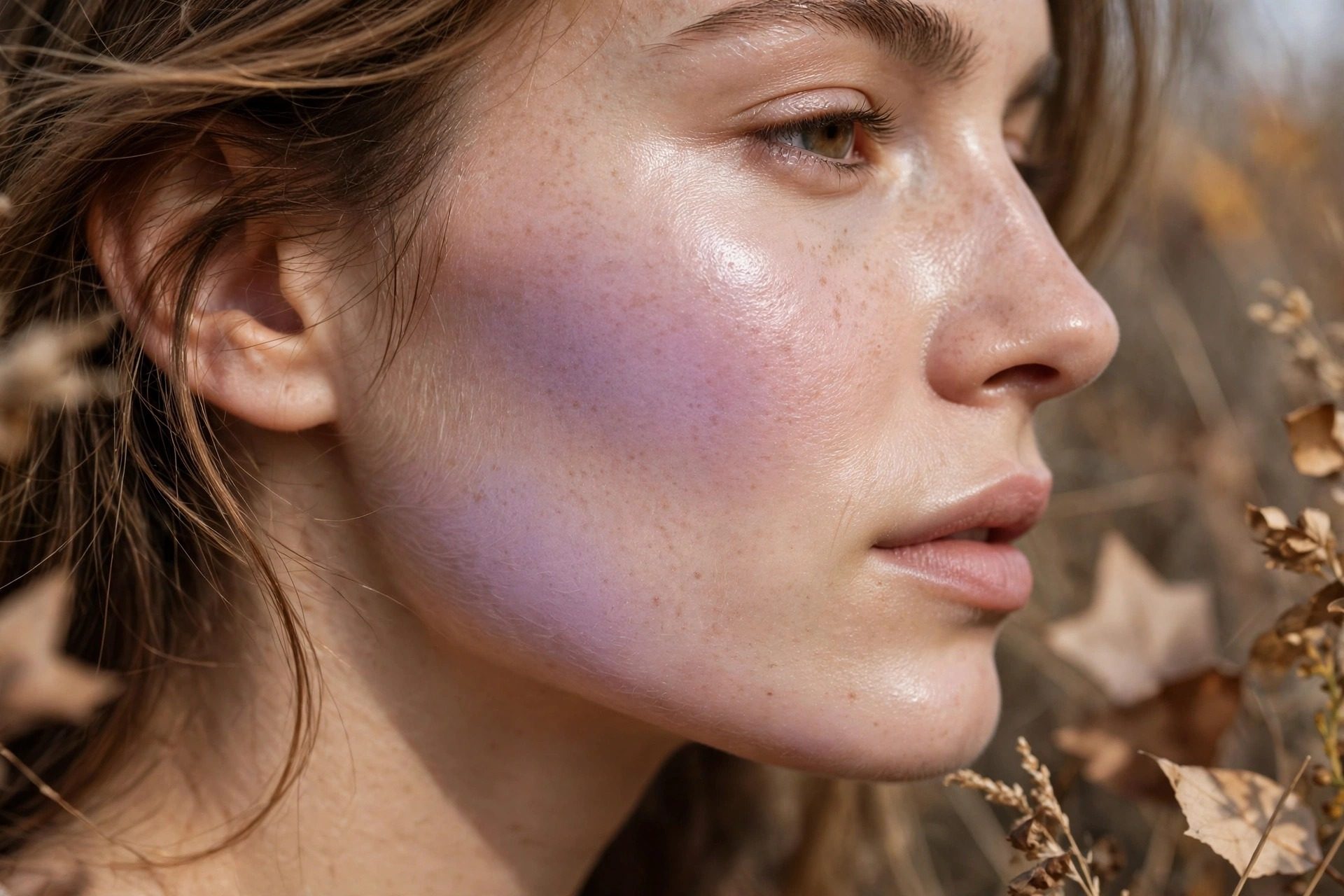
What Purple Blush Actually Looks Like on Skin
Open a pan of purple blush and your first thought is probably: absolutely not. We get it. Purple belongs on eyeshadow palettes and grape soda, not on cheeks, right? Honestly, that was our reaction too, right up until we actually tried it. On skin, the good versions do not look purple at all. They melt into a cool, bright flush that makes you look awake, even on a gray October morning when your coffee has not kicked in yet.
So why is everyone suddenly talking about it? Fall 2026 beauty has swung toward cool tones after years of warm peaches and terracottas ruling the blush aisle. Lavender eyes, lilac highlights, and muted violet lips have all been creeping into fall roundups, and blush was the obvious next step. Purple blush is the low-commitment way into that whole mood. One product, one step, no need to rebuild your routine around it.
Here is the part that sold us. A sheer lilac flush does something pink blush sometimes cannot: it cools down redness and sallowness at the same time. Warm blush can make flushed skin look even warmer. Purple, used lightly, sits on the opposite side of that equation and leaves skin looking clearer and brighter. It sounds like color theory homework, but on your face it just reads as fresh.
And no, you do not need a full purple face to pull it off. In fact, please do not start there. This trend works best when the blush is the only purple in the room.
Picking Your Shade Without the Guesswork
The shade matters more here than with most blush colors, because the gap between gorgeous and gray is small. The rule is simple: the deeper your skin, the deeper your purple can go.
Fair skin: reach for a light lilac with a pink leaning. Anything too blue or too deep can go ashy fast, so look for words like lilac, soft violet, or lavender pink on the shade description. Sheer is your friend. You want a whisper of color that you can build, not a bold stripe you have to rescue.
Medium and tan skin: you have the most room to play. A violet-leaning pink, a fuchsia-violet, or a muted plum all show up beautifully here. These shades give you that brightening effect without disappearing into your skin the way a pale lilac sometimes can. If a lilac looks invisible on you, step one shade deeper rather than piling on more product.
Deep skin: go for true purple and rich plum. These tones have enough depth to read clearly and they bring a gorgeous glow with them, especially in cream formulas. Lighter lilacs can still work as a highlight on the high points of the cheeks, but for a real flush, depth wins.
One more thing we learned the hard way: finish matters. A matte purple can look flat and chalky if you over-apply it. A cream or satin finish forgives a heavy hand, because the skin-like glow softens the edges. If you only own a matte powder version, apply it over a light layer of moisturizer or a dewy base and blend like you mean it.
How to Apply It Without Looking Purple
Placement is where most people go wrong, and it is also the easiest thing to fix. Purple blush is less forgiving than pink when it sits in the wrong spot, because the eye notices an odd color faster than a familiar one. So take thirty extra seconds here. It pays off.
Start with less than you think you need. Seriously, half a dot of liquid, one light tap of cream, or one swirl of powder on a fluffy brush. Smile lightly, then place the color on the apples of your cheeks if you want a youthful, rounded flush, or higher on the cheekbones, sweeping back toward the temples, if you want a lifted look. We prefer the higher placement for purple, because it reads more like a glow and less like a doll cheek.
Blend upward and outward, never downward toward the nose. Downward blending drags the face down and makes any blush look heavier. Use a damp sponge for creams and liquids, or a big fluffy brush for powder, and keep blending until you cannot see where the color starts. That soft edge is the whole trick. If you can see a line, you are not done yet.
What if you went too far? Do not panic and do not scrub it off. Pat a little foundation or skin-tinted moisturizer over the top with a sponge to sheer it back. It takes ten seconds and saves the whole face. We have all been there, and this rescue move has saved more mornings than we care to admit.
Making Purple Blush Work for Fall
Fall is honestly the perfect season for this trend, because purple blush pairs so naturally with everything we are already wearing. Think chunky knits, wool coats, charcoal, chocolate brown, and silver jewelry. A cool lilac flush against a camel coat looks intentional in a way that warm peach sometimes does not. It is the same reason gray sweaters suddenly look better with a cooler lip: the whole palette shifts, and your makeup should shift with it.
For daytime, keep it simple. Light lilac or violet-pink blush, brushed brows, one coat of mascara, and a nude or mauve lip. That is the full look, and it takes about five minutes. Nobody at work will think you are wearing a trend. They will just think you look well rested, which is the best compliment a blush can get.
For evening, you can turn the dial up. A deeper plum blush, a soft mauve shadow swept through the crease, and a sheer berry-purple lip make a coordinated look that still feels wearable. The key is keeping textures soft. Matte on matte on matte can look heavy fast, so let at least one element stay glossy or creamy, usually the lip or the skin itself.
What should you skip? A full purple eye plus purple blush plus purple lip all at once, unless you are heading to a photoshoot. One hero, two supporters, that is the ratio. And if your skin is already very flushed or you are dealing with redness that day, test the shade on one cheek first. Purple can calm the look of redness, but a blue-leaning shade over very red skin needs extra blending to avoid a patchy result.
Our Honest Verdict: Worth Trying?
We wore purple blush for a full week before writing this, in daylight, in office lighting, and out to dinner, and here is our honest take. The daytime lilac version is a keeper. It brightened our skin in a way our usual rose blush did not, it photographed well, and it never once looked purple in the mirror once it was blended. The deeper plum version is prettier in the evening than at noon, and it needs a lighter hand than you expect.
Who should try it first? Anyone bored of their blush drawer. Anyone whose skin looks dull or sallow in winter light. Anyone who loves cool tones and has been waiting for blush to catch up with the rest of their makeup bag. If you already reach for mauve lips and cool eyeshadows, this will feel like it was made for you.
Who can skip it? If you love warm makeup and live in peach and terracotta, nothing here will convert you, and that is fine. Trends are invitations, not assignments. And if you hate blending, be honest with yourself: this one rewards a little patience. A rushed, unblended purple cheek is the only version of this trend that actually looks like a mistake.
Our verdict? Purple blush earns its hype, with one condition: buy sheer, start light, and blend until the edge disappears. Do that, and you get the freshest flush of the season for the price of one product. That is a pretty good deal for fall.
Frequently asked questions
Does purple blush actually look purple on my skin?
Yes, if you pick a sheer formula and blend well. Lilac and soft violet blushes sheer out to a cool pink flush on most skin, rather than reading as true purple. The trick is starting with a tiny amount and building slowly, so the color looks like a flush, not a stripe.
What shade of purple blush suits my skin tone?
Fair skin suits a light lilac with a hint of pink. Medium and tan skin looks best in a violet-leaning pink or a brighter fuchsia-violet. Deep skin can carry true purple and rich plum shades, which show up beautifully without going ashy.
Should I choose cream, liquid, or powder purple blush?
Cream and liquid formulas are the most forgiving for beginners because they melt into skin and blend with fingers or a damp sponge. Powders work well too, especially over set foundation, but use a fluffy brush and a light hand so the color stays soft.
What lip color goes with purple blush?
Keep the rest of the face quiet. A nude or mauve lip, soft brows, and a light mascara coat let the cheeks lead. If you add a purple eye as well, keep both sheer, or the whole look can start to feel costumed rather than fresh.
Can I wear purple blush to work or during the day?
Yes, as long as you keep it sheer and place it high on the cheekbones. A light lilac flush reads as fresh and awake in daylight, not dramatic. Save the deeper plum versions and any matching purple eye for the evening.
You may also like
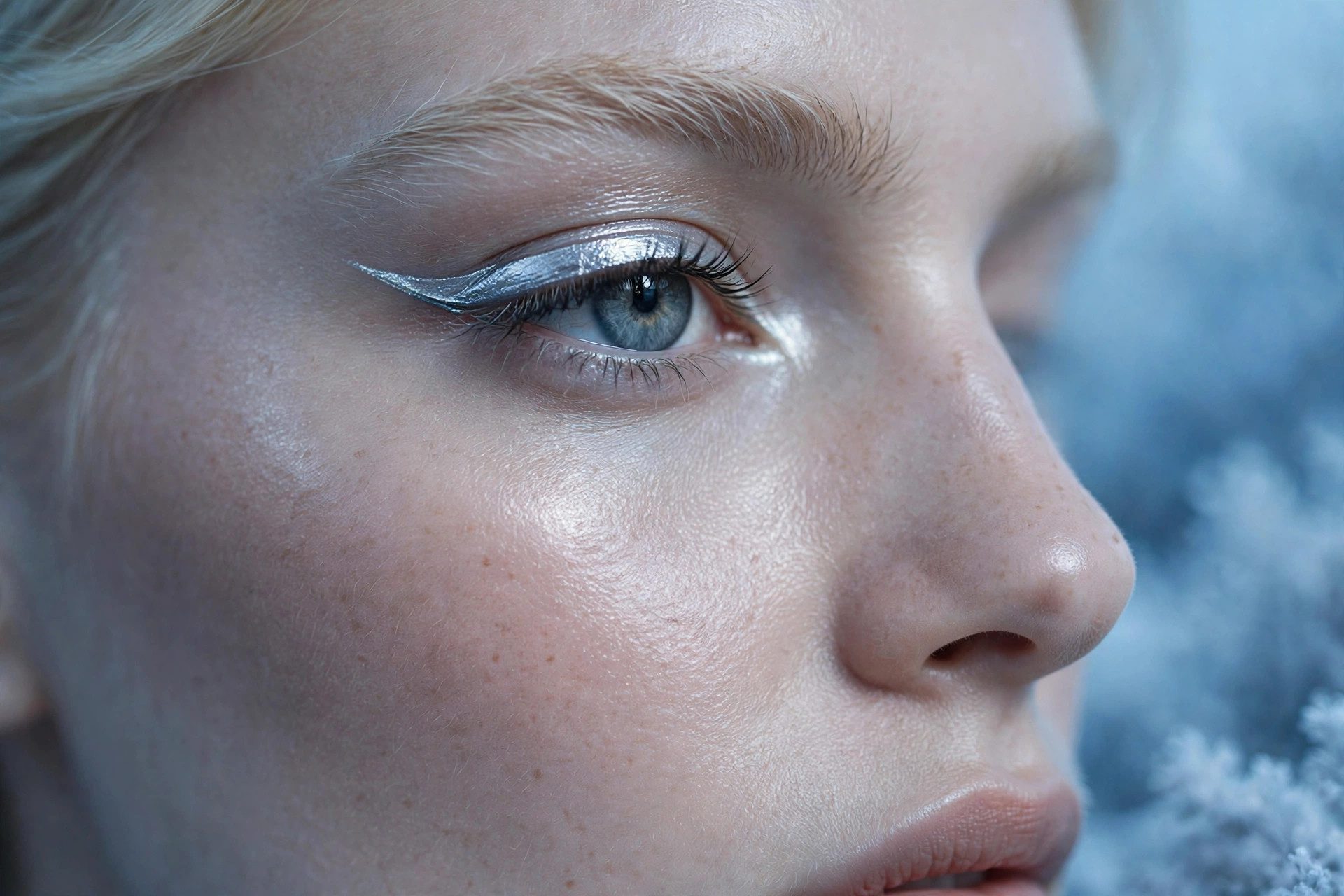
Silver Eyeliner Makeup: The Icy Swap for Black Liner
Silver eyeliner makeup is fall 2026's coolest swap: one metallic line that catches the light and wakes up your whole face. Here's how to wear it, from a soft daytime flick to a full chrome wing.
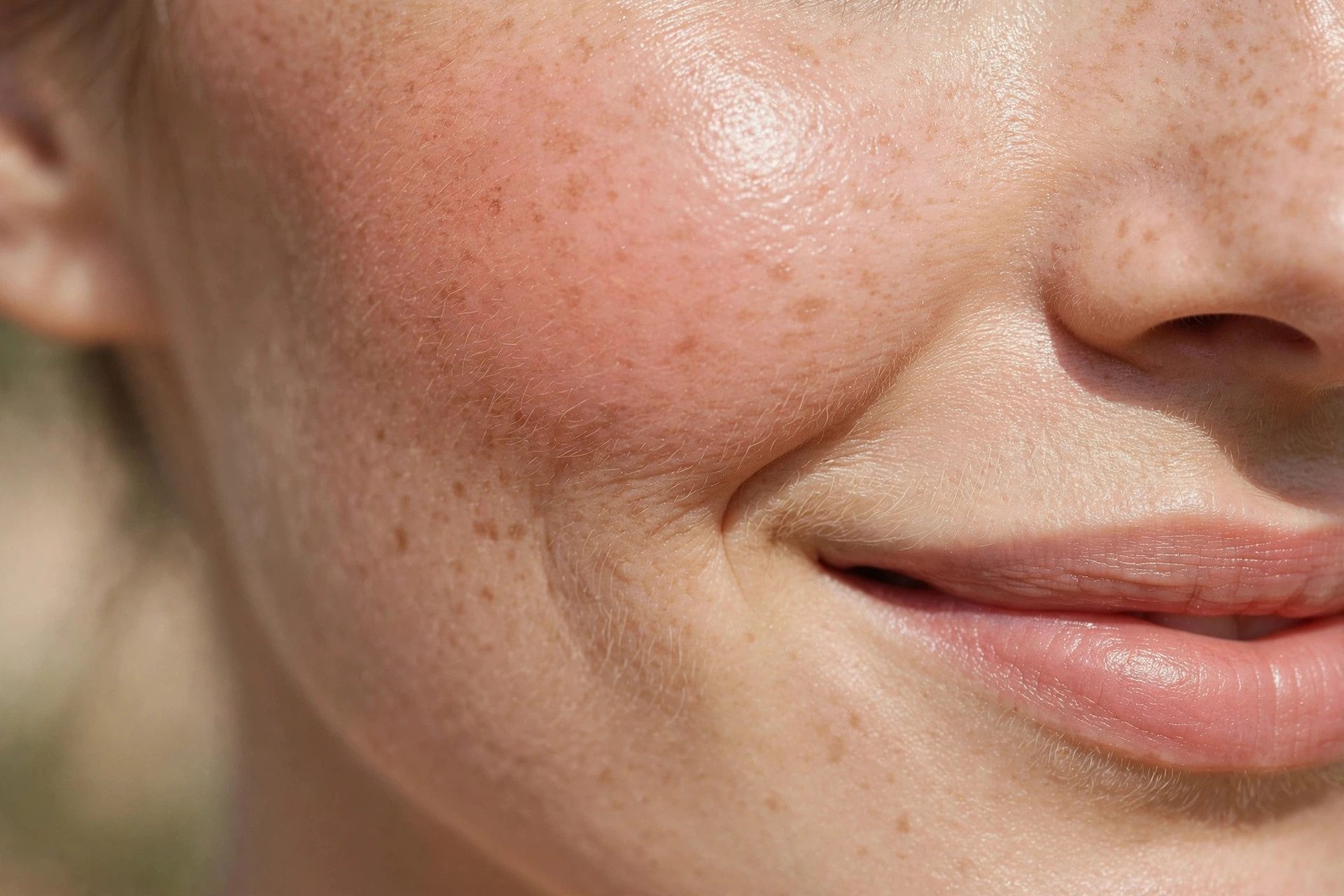
Peach Blush Makeup: The Flush Everyone's Wearing
Peach blush makeup is fall 2026's softest flush — warm, sunny color that wakes up your whole face without looking like you tried hard. Here's how to pick your shade and place it right.
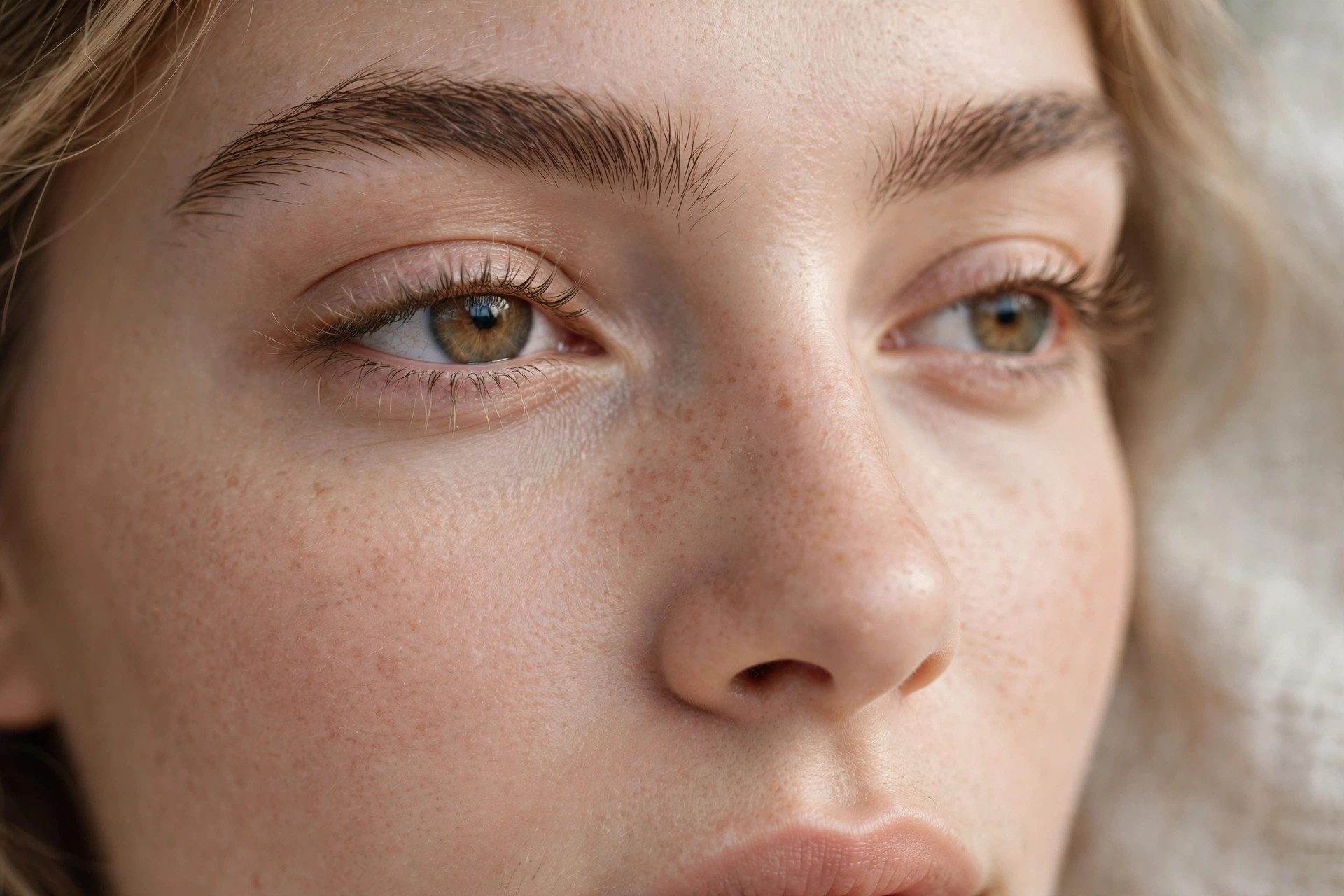
Ghost Lashes: The No-Mascara Look Everyone's Trying
Ghost lashes are fall 2026's barely-there beauty trend: curled, separated natural lashes with no heavy black mascara in sight. Here's how to get the look without looking unfinished.