Dusty Rose Blush: Fall 2026's Most Flattering Flush
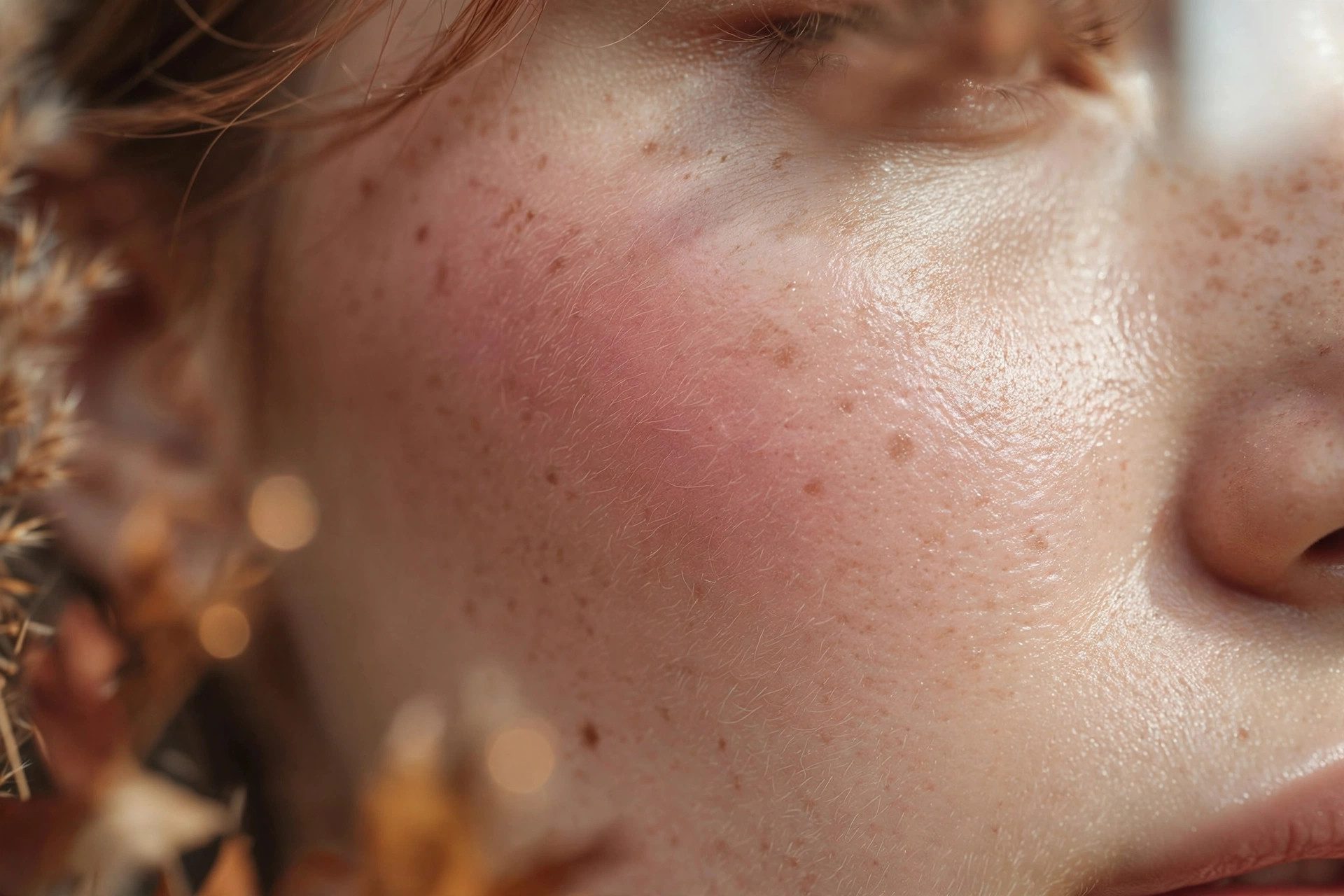
The 189% Blush Shade Everyone's Searching For
Blush has officially taken over fall 2026. Not the loud, striped pink of a few seasons ago — the mood this year is softer, cooler, and honestly a little romantic. At the center of it all is dusty rose blush: a muted, cool-toned pink with just enough grey in it to read like the flush you get after a long walk in cold air.
Pinterest's first-ever Beauty Trend Report, released this October, backs it up with real numbers. Searches for dusty rose blush climbed 189% year over year, leading the platform's 'cheeky flush' trend family, with terracotta blush up 164% and peach up 148% close behind. Among weekly Pinterest users, 85% say they discover beauty trends there before seeing them anywhere else — so when a shade surges like that, it's worth paying attention to.
What we love about this one: it isn't a difficult trend. There are no seven-step techniques, no products you need a tutorial to decode. It's a shade — and it happens to be the rare shade that flatters almost everyone. Let's get into why.
Why Dusty Rose Flatters Almost Everyone
Here's the thing about most blush shades: they commit to an undertone. Bright pinks turn bubblegum. Corals go orange. Terracottas can drag warm. Dusty rose refuses to commit, and that's its superpower. The grey-beige undertone mutes the pink just enough that it never shouts, while the cool base keeps it from going muddy.
On fair skin, it reads as a soft, just-came-in-from-the-cold flush. On medium skin, it leans a little mauve and looks expensive next to gold jewelry. On deeper skin tones, the muted coolness stops it from turning ashy or neon — the two things most pinks do wrong. We tried a dusty rose cream on three different skin tones in our office, and not one of them looked off. That's rare.
It also sits perfectly inside this season's bigger makeup mood. The same Pinterest report shows soft natural makeup looks up 105% and 'no mascara makeup' up 33% — the whole face is going quieter, more romantic, less engineered. Dusty rose is the blush version of that: a heroine-between-chapters flush, windswept and softly pink, rather than a precision-placed contour.
And it photographs beautifully. The muted tone doesn't blow out under bright light the way saturated pinks do, which partly explains why it's all over autumn feeds right now.
How to Apply It Like It Was Made For Your Face
The biggest mistake people make with this trend is placement. Dusty rose belongs high and soft — swept across the upper cheekbone and blended back toward the temples, not parked low on the apples. Low placement reads sweet and vintage; high placement reads modern and lifted, which is what this look wants.
- Start with cream, not powder. Warm a cream blush between your fingertips or on the back of your hand, then press and tap it into the skin. Fingers beat brushes here — the warmth melts the product in and the finish looks like skin, not makeup.
- Build in thin layers. Dusty rose is forgiving, but it's still pigment. Two sheer layers will always look better than one heavy one. You can always add more; taking blush off is a production.
- Connect it. The pros' trick for making blush look natural: bring a whisper of the same shade across the bridge of the nose and the temples. It ties the whole face together and kills the 'two pink circles' effect.
- Pair it with restraint. Dusty rose looks best next to brushed brows, bare-ish lashes and a soft neutral lip. Heavy eye makeup fights the quiet mood — this is the season to let the cheeks do the talking.
One more tip from our testing: apply cream blush before any setting powder. Powder first, blush second is how you get patchy edges that won't budge.
The Formula That Makes or Breaks the Look
So, cream, liquid, or powder? For this specific trend, cream wins — it's what gives dusty rose that skin-like, diffused finish all over the fall feeds. Liquids are a close second and great if you want something that sets fast. Powders aren't wrong, especially on oilier skin, but they read more classic blush and less 'romantic flush.'
If you're layering, try the sandwich: cream underneath, a light dusting of a matching powder shade over the top, then a fine mist of setting spray. Each layer locks the last one in, and the blush survives a full workday plus dinner. We've worn this combo for twelve hours and the flush was still there at the end.
Shade matching matters less than you'd think. Because dusty rose is muted, most versions of it work on most people — don't overthink the exact pan. Pick the formula you enjoy using and the undertone that matches your preference (cooler if you're pink-leaning, a touch more mauve if you're olive or deep).
Skip the blush-and-bronzer stacking if you're new to the trend. Pinterest's 'bronzer blush' searches are up 61% and it's a great look, but dusty rose plus bronzer needs a light hand or the face gets busy. Master the blush solo first.
Our Honest Verdict: Worth Adding to Your Bag?
Short answer: yes — with one caveat. Dusty rose blush is the easiest blush trend of the year to actually wear. The shade is forgiving across skin tones, the application is simpler than any contour, and it slots into the natural-makeup mood that's already dominating fall 2026.
Who should try it: anyone whose blush drawer is full of shades that felt too bright, too orange, or too invisible. Anyone leaning into softer makeup this season. And anyone who wants a trend they can adopt with a single product — this asks almost nothing of you.
Who can skip it: if you love a bold, saturated cheek — a bright fuchsia, a loud coral — dusty rose will feel like a whisper after a shout. It won't convert you. And if your undertone is strongly warm and golden, you may genuinely look better in the trend's sisters, terracotta (+164%) or peach (+148%).
Our verdict? This is the blush equivalent of a perfect trench coat: not the loudest thing in the wardrobe, but the thing you reach for constantly. At a 189% search surge, the internet agrees — and for once, the internet is right.
Frequently asked questions
What is dusty rose blush?
Dusty rose blush is a muted, slightly cool-toned pink blush with a grey undertone that keeps it from going bright or bubblegum. It sits between classic pink and mauve, giving cheeks a soft, romantic flush that looks natural on most skin tones. The shade works in cream, liquid and powder formulas.
What skin tones does dusty rose blush suit?
Pretty much everyone. The grey-beige undertone is what makes dusty rose so forgiving — it mutes the pink enough that it doesn't fight deeper skin tones, and it's cool enough that it doesn't turn orange on fair skin. If bright pinks overwhelm you, dusty rose is the blush shade to try.
Cream or powder: which dusty rose blush formula is best?
Creams and liquids give the trend its signature soft, skin-like finish and melt into the base, which is why most fall 2026 looks use them. Powders still work, especially on oily skin or over setting powder, but they read a little more classic and a little less romantic. If you only buy one, go cream.
How is dusty rose blush different from terracotta or peach blush?
All three sit inside fall 2026's 'cheeky flush' trend, and the difference is undertone. Dusty rose is cool and muted. Terracotta leans warm and earthy with brown notes. Peach is warmer and brighter, closer to coral. Dusty rose suits cool and neutral undertones best; terracotta and peach favor warm ones.
How do I make blush last all day without fading?
Apply blush before your powder if you're using a cream, which helps it fuse with the base rather than sitting on top of it. Layer a cream underneath a light dusting of a matching powder shade, and mist lightly afterward — the layers lock each other in. Avoid applying blush directly over loose setting powder, which is the fastest way to make it patchy.
You may also like
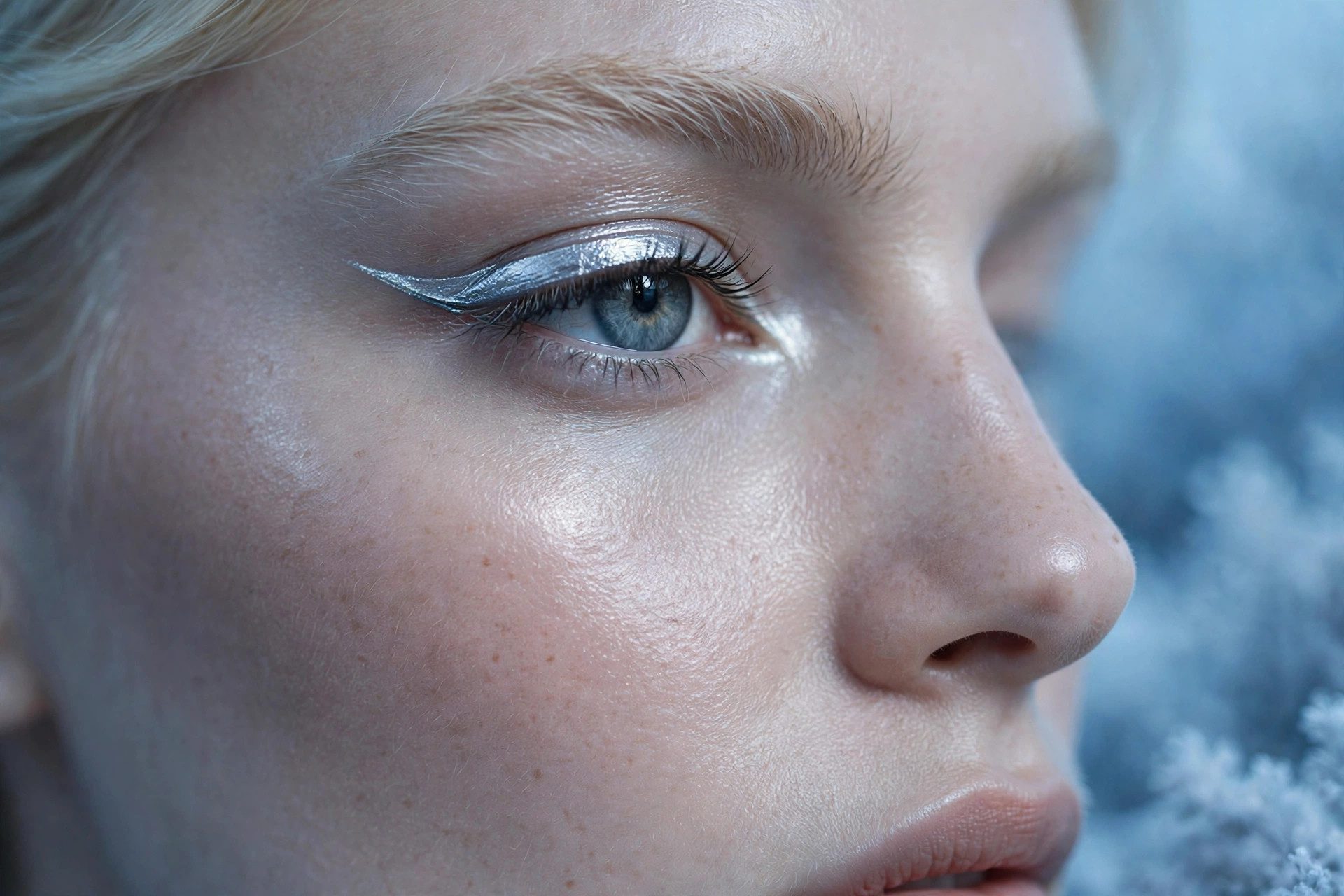
Silver Eyeliner Makeup: The Icy Swap for Black Liner
Silver eyeliner makeup is fall 2026's coolest swap: one metallic line that catches the light and wakes up your whole face. Here's how to wear it, from a soft daytime flick to a full chrome wing.
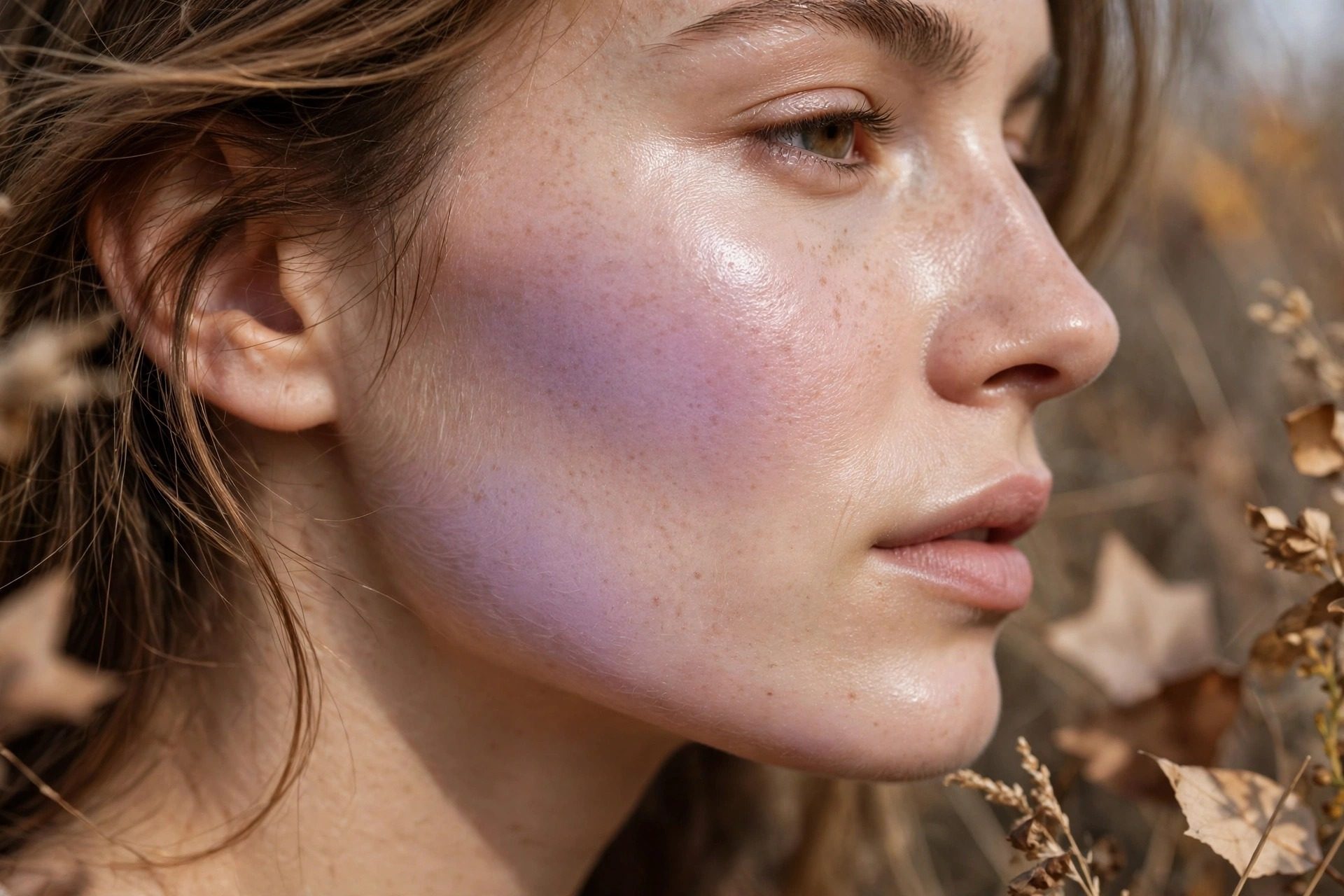
Purple Blush: The Fall Makeup Trend Worth Trying
Purple blush sounds wild in the pan and surprisingly soft on the skin. Here is how to pick your shade, place it right, and wear fall 2026's cool-toned flush without looking purple.
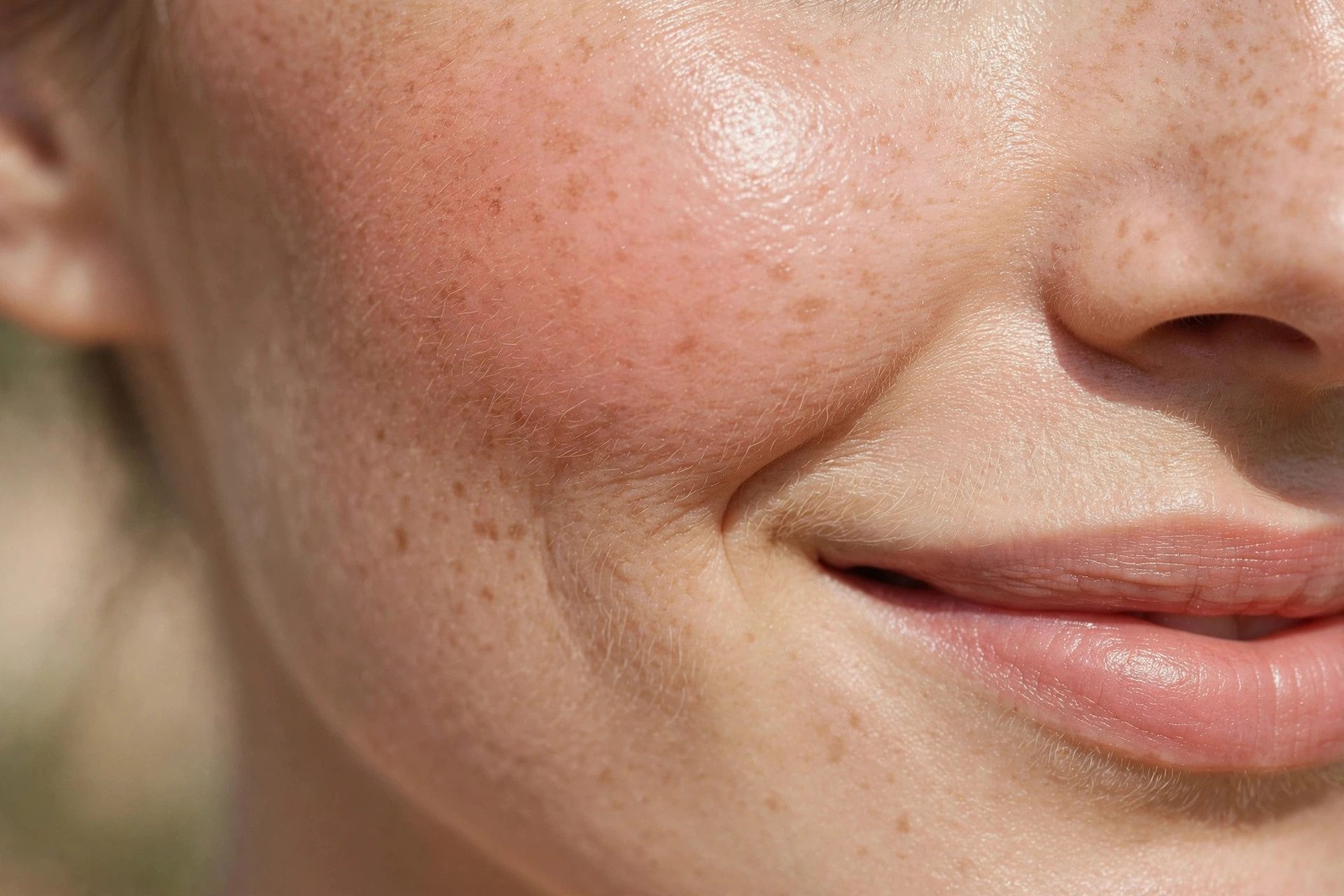
Peach Blush Makeup: The Flush Everyone's Wearing
Peach blush makeup is fall 2026's softest flush — warm, sunny color that wakes up your whole face without looking like you tried hard. Here's how to pick your shade and place it right.