Tortoiseshell Nails: Fall 2026's Chicest Look
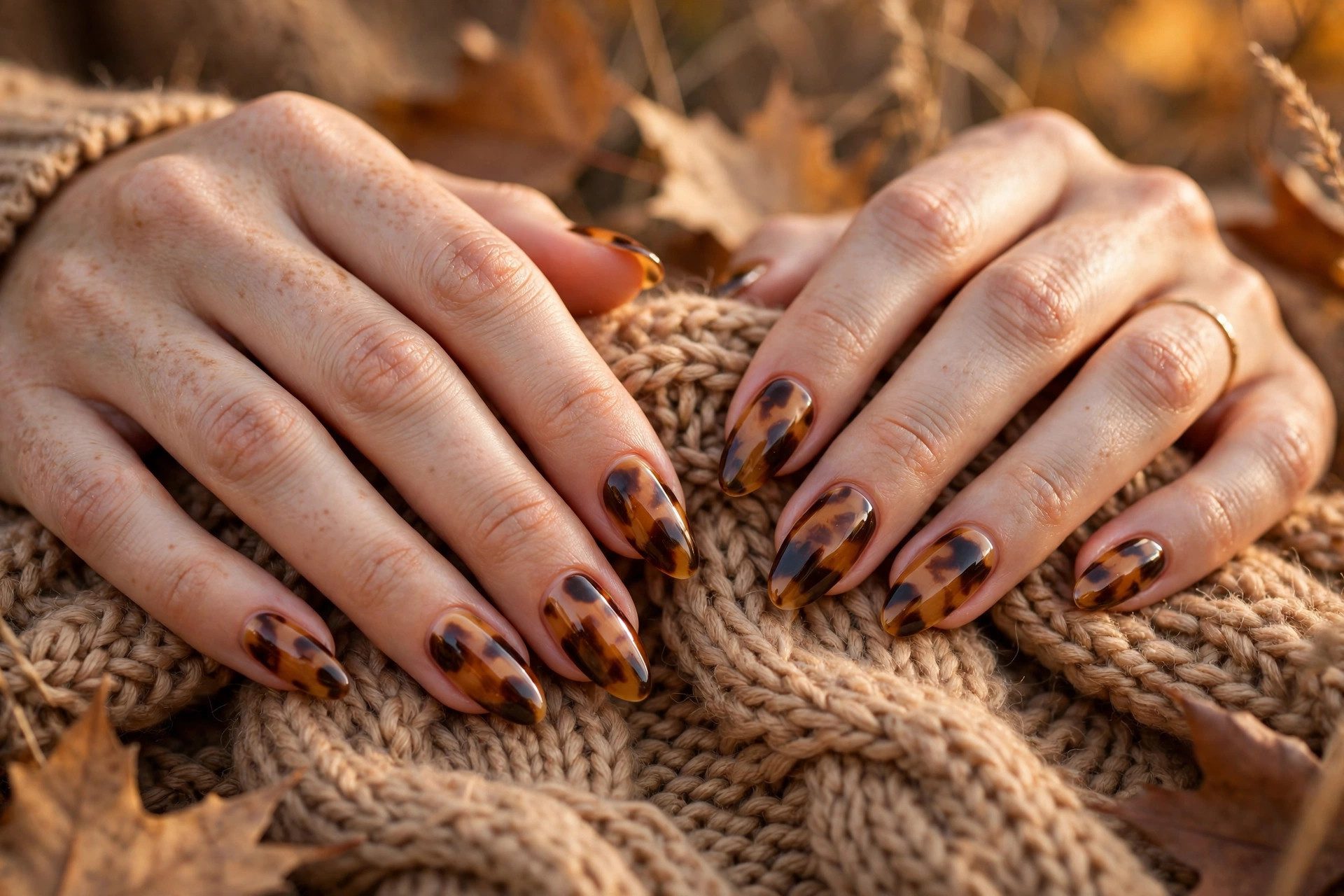
What Tortoiseshell Nails Actually Look Like
Animal print comes back every fall, but it rarely comes back this wearable. Tortoiseshell nails — warm caramel, amber and chocolate swirled together like the shell they are named for — are having a proper moment right now, and honestly, we get it. They are bold enough to feel like a statement and warm enough to wear with everything you already own.
Here is what you are actually looking at: translucent layers of honey, caramel and amber, broken up by irregular patches of deep brown or black, all sealed under a high-gloss finish. Because the color is sheer rather than flat, light passes through the layers. That depth is the whole trick. A solid brown polish can look lovely, but it cannot fake the glow of a real tortoiseshell pattern.
The other thing worth knowing upfront: no two sets look alike. The pattern is meant to be irregular. Spots of different sizes, patches that bleed into each other, one nail a little darker than the next — that is not a mistake, that is the look. If you have ever stressed over getting nail art perfectly symmetrical, this trend will feel like a gift.
So what makes tortoiseshell nails different from every other brown manicure this season, and how do you actually ask for them? Let's get into it.
Why Everyone Is Wearing Them This Fall
First, the timing makes sense. Fall wardrobes run warm — camel coats, suede boots, chocolate knits — and tortoiseshell nails sit right in that palette. They do not clash with a single thing in your closet, which is more than you can say for most trend manicures. They read as expensive without trying hard, the same quiet-luxury energy that made brown and burgundy the shades of the season.
Second, they flatter nearly everyone. The palette is warm and translucent, so it works across skin tones in a way that cooler animal prints sometimes do not. On fair skin, the amber tones glow. On deeper skin tones, the chocolate and espresso patches add richness. And because the pattern is mottled, it never looks harsh or flat against any complexion.
Third, they are forgiving in a way most nail art is not. A French tip shows every wobble. A chrome finish shows every ridge. Tortoiseshell nails hide all of it. A slightly uneven patch just looks like another swirl in the shell. That is why nail artists love doing them, and why they are one of the few salon looks that translate well to a DIY attempt.
And then there is the versatility. Go full tortoiseshell on every nail for maximum impact, or keep it to a French tip, a single accent nail, or a mix-and-match set with solid chocolate nails. We have seen all four versions this fall and, truthfully, we have yet to see one that did not work.
The Shades and Combos That Actually Work
The classic version starts with a sheer amber or honey base. Over that, artists layer irregular spots of caramel, chocolate and black, softening the edges so the colors melt into each other instead of sitting on top. A final sheer wash ties everything together and gives the pattern that glassy, almost backlit quality. That is the version to ask for if you want the real thing.
But the variations are where it gets fun:
- Classic full shell: the whole nail in tortoiseshell, usually on an almond or oval shape. The most dramatic version, and the one that photographs best.
- Tortoiseshell French tips: the shell pattern just on the tips, with a sheer nude base. Softer, more office-friendly, and gorgeous on shorter nails.
- Accent nails: one or two tortoiseshell nails paired with solid chocolate, caramel or cream. The easiest entry point if you are not ready to commit to a full set.
- Tortoiseshell with gold: tiny gold flecks or a thin gold outline layered into the pattern. It catches the light and makes the whole set feel a little more dressed up.
- Tortoiseshell with red: a deep red statement nail or red swirls alongside the shell pattern. The contrast is striking, and it is the version we keep saving on our own feeds.
One rule from artists who do this well: keep the layers thin. Thick coats kill the translucency, and translucency is what makes the pattern look like shell instead of just brown blobs. Thin, sheer, patient — that is the recipe.
What pairs with it? Earth tones, mostly. Olive, terracotta, taupe and cream all sit happily next to tortoiseshell. If your nails are going to live next to a camel coat all season, this is the palette that makes sense.
How to Get Tortoiseshell Nails (Salon or DIY)
At the salon: ask for tortoiseshell nails by name and show a reference photo, because the pattern varies a lot from artist to artist. The phrases that help: sheer amber base, irregular chocolate and black patches, soft blended edges, high-gloss finish. Tell your artist whether you want a full set, French tips, or accents — that one choice changes the whole appointment. Almond and oval shapes show the pattern off best, but a soft square works too, especially for the French-tip version.
At home with gel: this is the method nail creators swear by. Start with a jelly brown shade and cure it, then add a jelly orange layer and cure again. Next, paint on a layer of blooming gel — while it is still wet, use a dotting tool to drop in irregular spots of brown gel, then repeat with black gel on a second wet layer. Finish with another jelly brown wash and a glossy top coat, curing between layers. The blooming gel does the blending for you, which is why even first attempts tend to look good.
At home with regular polish: you can absolutely get close. Paint a sheer caramel or amber base and let it dry. Then, with a dotting tool or even a toothpick, place irregular dots of chocolate brown and black polish on the nail. While the dots are still slightly wet, drag a clean brush lightly through them to soften the edges. Seal everything with a thick, glossy top coat. It will not have quite the same glassy depth as gel, but the pattern reads clearly — and from a normal distance, nobody can tell.
A practical tip either way: work one nail at a time for the pattern steps. Sheer polish dries fast, and you want the spots wet enough to blend. Rushing all ten nails at once is how you end up with dots that sit on top instead of melting in.
Our Honest Verdict
We have seen a lot of fall nail trends come through this year — some gorgeous, some exhausting to maintain. Tortoiseshell nails land firmly in the first group. They are warm, they are flattering, they hide wear beautifully, and the pattern forgives the exact kind of imperfection that ruins other nail art.
Who should try them: anyone who lives in browns and neutrals from October onward and wants their nails to match that energy. Anyone bored of solid dark polish but not ready for a loud pattern. And anyone doing their own nails — the irregular pattern is genuinely one of the most beginner-friendly designs out there.
Who can skip them: if you hate warm tones and live for cool pinks and icy finishes, nothing here will convert you. And if animal print of any kind is not your thing, no amount of pretty amber swirls will change your mind.
Our take? Start with an accent nail or a French-tip version if you are unsure. You get the whole warm, glossy effect with almost no commitment — and we would bet good money you will be back for the full set next time. This is one of those rare trends that looks just as good in real life as it does in the photos, and that is not something we say lightly.
If you love animal print, our bambi nails guide covers the other viral print of the season: warm brown with cream fawn spots.
Frequently asked questions
What are tortoiseshell nails?
Tortoiseshell nails copy the mottled pattern of a tortoise shell: warm caramel, amber, honey and chocolate tones swirled together with darker brown or black patches, all under a glossy finish. The color is translucent rather than flat, so light moves through the layers and gives the pattern its depth.
Do tortoiseshell nails work on short nails?
Yes, if you scale the pattern down. On short nails, keep the patches small — a micro tortoiseshell French tip, a single accent nail, or a sheer wash with just a few spots reads cleanly. A full opaque shell pattern on every short nail can look muddy, so less is genuinely more here.
Can I do tortoiseshell nails at home without gel?
You can, though gel gives the glassiest result. With regular polish, start with a sheer amber or caramel shade, dot on irregular spots of brown and black with a dotting tool or toothpick, soften the edges while the polish is still wet, then seal with a thick glossy top coat. The pattern is forgiving, so uneven spots look intentional.
How long do tortoiseshell nails last?
Gel versions last the usual two to three weeks, while regular polish gives you about a week of good wear. Because the pattern is mottled and multicolored, small chips and tip wear show far less than they do on a solid dark shade — one more reason this trend is so easy to live with.
What colors go with tortoiseshell nails?
Warm earth tones are the natural partners: olive, terracotta, taupe, cream, and chocolate brown all sit beautifully next to the shell pattern. A gold accent or a deep red statement nail adds contrast without fighting the palette. Keep the rest of the set quiet and let the tortoiseshell do the talking.
You may also like
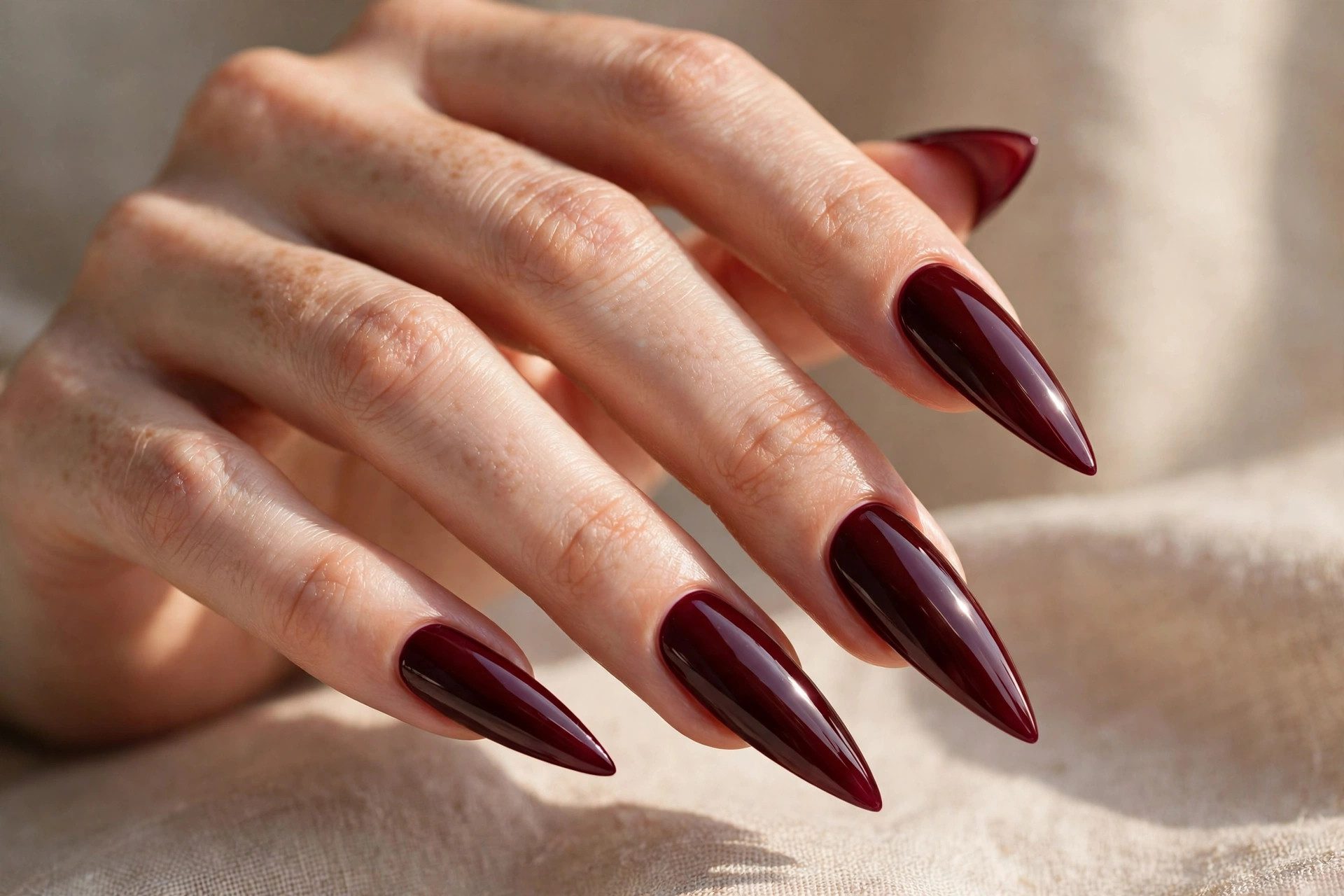
Stiletto Press-On Nails: The Bold Shape Spiking Now
Stiletto press-on nails are the sharpest shape in the box — and US searches just jumped more than 2,000% in a week. Here's who they suit, how long they actually last, and how to wear them without regretting it.
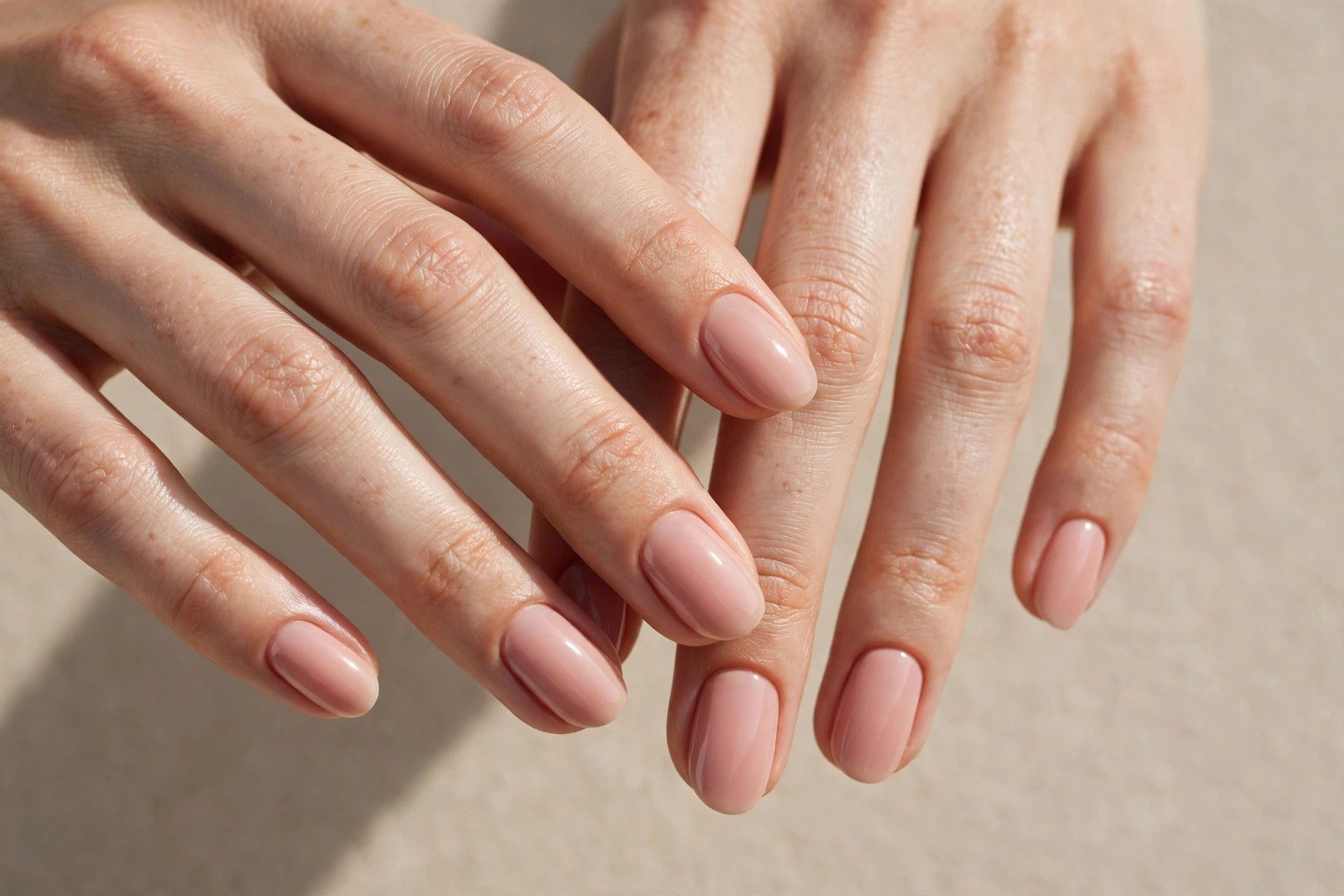
Oval Press-On Nails: The Shape Taking Over
Oval press-on nails are the quiet shape suddenly getting loud — searches jumped more than 4,000% in a week. Here's why the softest shape in the box is winning, and how to wear it.
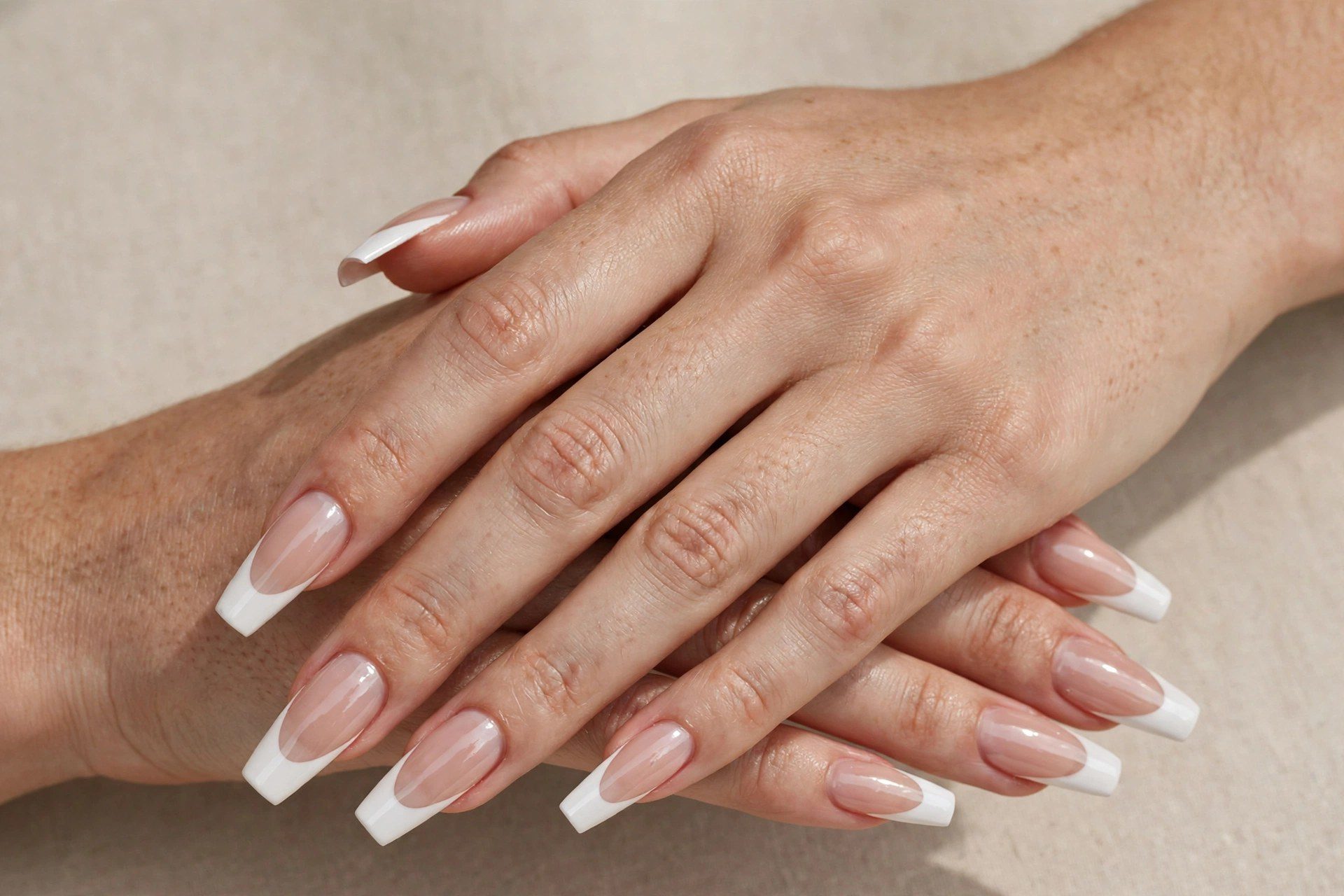
Coffin French Tip Press-On Nails That Look Salon-Done
Coffin French tip press-on nails pair the long, tapered coffin shape with crisp white tips — bold, clean, and surprisingly easy to wear. Here are the lengths, tip styles, and the application routine that keeps them on.