Bambi Nails: How to Do the Viral Fawn-Print Look
Meet Bambi Nails, Fall's Sweetest Animal Print
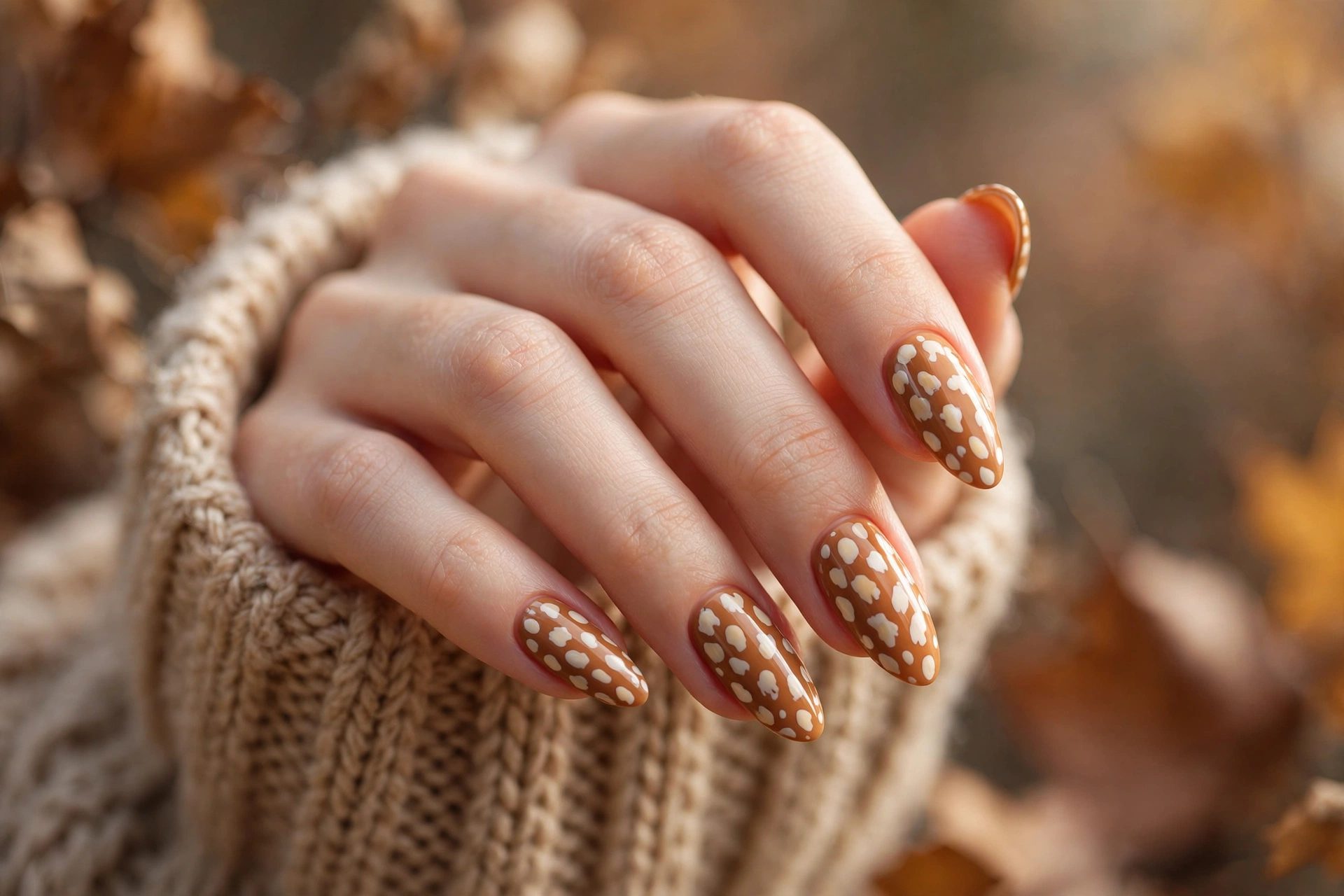
Some trends announce themselves with chrome, glitter and a bang. Bambi nails snuck in through the forest, quietly. One minute nobody was talking about deer print, the next, Khloé Kardashian showed up with long almond nails tipped in warm brown and dotted with tiny white spots — a manicure straight out of a Disney film, courtesy of celebrity nail artist Zola Ganzorigt.
The look is exactly what it sounds like: nails inspired by a fawn's coat. A warm brown or caramel base, scattered with irregular cream or off-white spots. No harsh outlines, no graphic precision. Just soft, blurry little markings that mimic fur. ELLE Canada named it one of fall 2026's buzziest nail trends, and Pinterest's own trend data flagged deer themes rising around 55 percent within its 'Wilderkind' mood for 2026. The forest is having a moment.
Here's why it works: animal print has been plastered across everything in 2026 — clothes, bags, shoes. Leopard on nails has been around so long it barely registers anymore. Bambi nails feel like the natural next move: still animal print, still on-trend, but so much gentler. It's the difference between a roar and a rustle in the leaves.
So is this one worth your next salon visit? Let's get into it.
What Bambi Nails Actually Look Like
At its heart, the look is dead simple. A base in layered browns and beiges — caramel, taupe, chestnut, warm chocolate — topped with small pale spots. That's it. The magic is in how soft it all is.
Leopard print is about contrast: black outlines, punchy shapes, drama. Bambi nails deliberately avoid all of that. The spots are irregular and organic, never perfect circles, and their edges blur slightly into the base so the whole nail reads as fur rather than print. French nail artists suggest sponging brown, beige and white polish together with a makeup sponge before adding spots, so the background itself looks like a fawn's pelt.
The palette is what makes it so wearable. Warm chocolate, caramel and cream flatter almost every skin tone — there's no neon, no stark black and white, nothing that clashes with your wardrobe. A burgundy or khaki twist makes it more autumnal; a matte top coat keeps it soft for daytime; a glossy finish makes the spots pop after dark.
And the vibe? Whimsical, nostalgic, cozy. Think of it as animal print for people who've never worn animal print. It brightens your hands without demanding attention from across the room.
The Shades and Versions to Know
Classic Bambi still means caramel brown with cream or white spots, kept small and fairly tight. But this fall, the palette is getting much richer — and honestly, the variations might be the best part of the trend.
- Classic caramel: warm caramel or toffee base, cream spots. The original, and still the most flattering on most skin tones.
- Espresso and cocoa: deeper, moodier bases that give the print more depth — especially striking against bright white markings.
- Burgundy Bambi: merlot and black cherry bases. Not deer colors, obviously, but nobody's checking IDs at the forest entrance. Very fall 2026.
- Bambi French: the print lives only on the tips, over a sheer nude or pink base. The most wearable version, and gorgeous on almond nails.
- Muted mixed sets: brown with dusty blue, burgundy with beige — earthy combinations worked into one manicure that stay cohesive because every shade is grounded.
- Magnetic Bambi: brown cat-eye polish under cream spots. The shifting shimmer adds movement without changing the formula — and it's stunning as an accent nail.
Short nails? No problem. This trend might be the rare nail art that actually works better small — smaller markings, cleaner look, zero growing-out required. Almond and squoval both flatter the speckled pattern; almond gives you more room to play with gradients and French versions.
Our tip: start with one or two accent nails on each hand and keep the rest in plain brown or nude. You'll know within a day whether you want the full fawn or the subtle nod.
How to Get Bambi Nails (Salon or DIY)
You don't need nail-art skills for this one. Seriously — the whole charm of Bambi nails is that the spots are supposed to be imperfect. Here's how to do it.
At home: file into your preferred shape, then paint a brown or nude base. Once it's completely dry, grab a dotting tool — or in a pinch, a toothpick, the end of a bobby pin, or even a bobby-pin-adjacent blunt stick. Dip it in cream or off-white polish and dot irregular spots down each nail. Vary the sizes, scatter them naturally, don't aim for symmetry. Seal with a matte or glossy top coat, and cap the free edge so the tips don't chip.
Want the softer fur background the pros get? Before the spots, dab brown into beige or white with a small makeup sponge for a gentle ombré. It takes an extra few minutes but it's what makes the whole thing look like actual fur instead of polka dots on brown.
At the salon: ask for 'Bambi,' 'fawn' or 'deer print' nails and show a reference photo. Most nail artists will recognize the look instantly by now. Mention whether you want the full set or just accents, matte or glossy, and your preferred base depth — a good tech will match the brown to your skin tone. If they offer magnetic gel, one accent nail in brown cat-eye under the spots is a gorgeous upgrade.
The lazy-girl option: if hand-dotting thirty tiny spots sounds deeply annoying, nail decals over a brown manicure get you most of the way there. No shame in it — the result is nearly identical at arm's length.
Our Honest Verdict: Worth the Hype?
Short answer: yes — with real enthusiasm, not the polite kind. Bambi nails are one of those rare trends that photograph well, wear well, and don't fall apart in real life. The spots are forgiving, the colors flatter nearly everyone, and it works on short nails, which is more than most nail art can say.
Who should try it: anyone who's bored of leopard but still likes a little print. Anyone who wants fall nail art that doesn't scream Halloween. Anyone doing their own nails — this is genuinely one of the easiest art trends to pull off, because imperfection is the brief.
Who can skip it: if you live for high-drama nails — stiletto lengths, 3D charms, full chrome — this will feel too quiet for you. And if you hate brown as a color family, no animal print will convert you.
Our take? This is the coziest manicure of the season. It's animal print for the girl who drinks hot cider, owns three trench coats, and thinks leopard is a bit much. Two coats of caramel, some dots, a top coat — and your hands look like autumn itself. Honestly, we didn't expect to love a trend named after a cartoon deer this much.
Frequently asked questions
What are Bambi nails?
Bambi nails are a fall 2026 nail trend inspired by a fawn's coat: a warm brown or caramel base covered in irregular cream or white spots. The effect nods to a baby deer's markings without reading as a loud animal print, which is why it's often described as pretty rather than fierce.
How are Bambi nails different from leopard print nails?
It's the softness. Leopard is bold, graphic and high-contrast. Bambi nails are muted and organic — tawny browns, caramels and chocolates with blurry, imperfect spots that mimic fur rather than a pattern. The vibe is cozy and nostalgic, not statement-making.
Can I do Bambi nails at home?
Yes — this is one of the easiest animal prints to DIY. Paint a brown or nude base, then dot irregular cream spots with a dotting tool, a toothpick or the end of a bobby pin. Don't aim for perfect circles; the charm of Bambi nails is that the spots are slightly uneven. Seal with a top coat and you're done.
What colors work best for Bambi nails?
Classic Bambi is caramel brown with cream or white spots, but the fall 2026 updates are richer: espresso, cocoa and walnut bases, burgundy and merlot versions for autumn, and even Bambi French tips where the print lives only on the tip. Matte top coat for day, glossy for evening — both work.
How long do Bambi nails last?
As long as your base coat is sealed with a good top coat, they wear like any other nail art manicure: about a week to ten days in regular polish, two to three weeks in gel. The spots are the wear-prone part — cap the free edge and the tips of your fingers to keep them intact.
You may also like
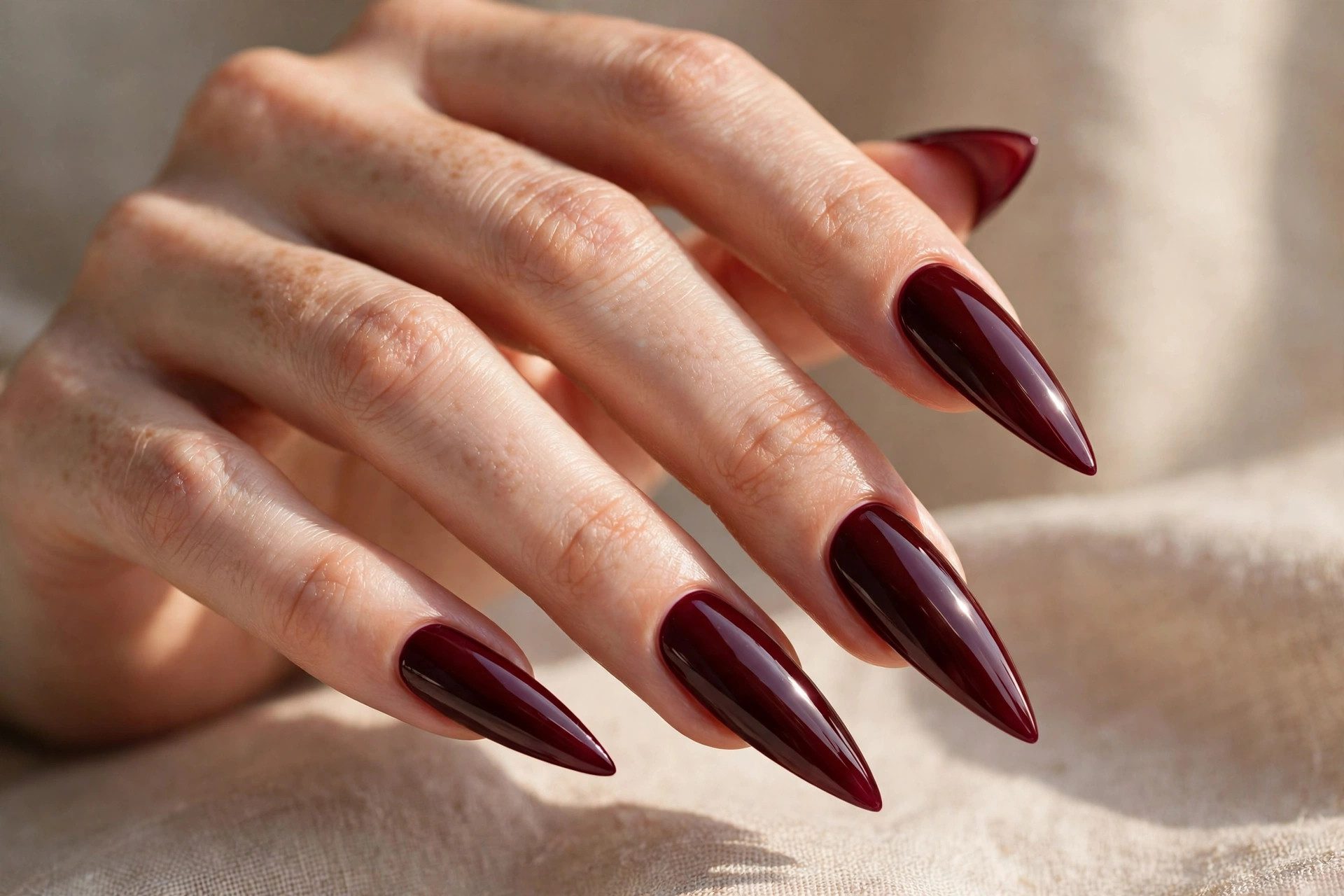
Stiletto Press-On Nails: The Bold Shape Spiking Now
Stiletto press-on nails are the sharpest shape in the box — and US searches just jumped more than 2,000% in a week. Here's who they suit, how long they actually last, and how to wear them without regretting it.
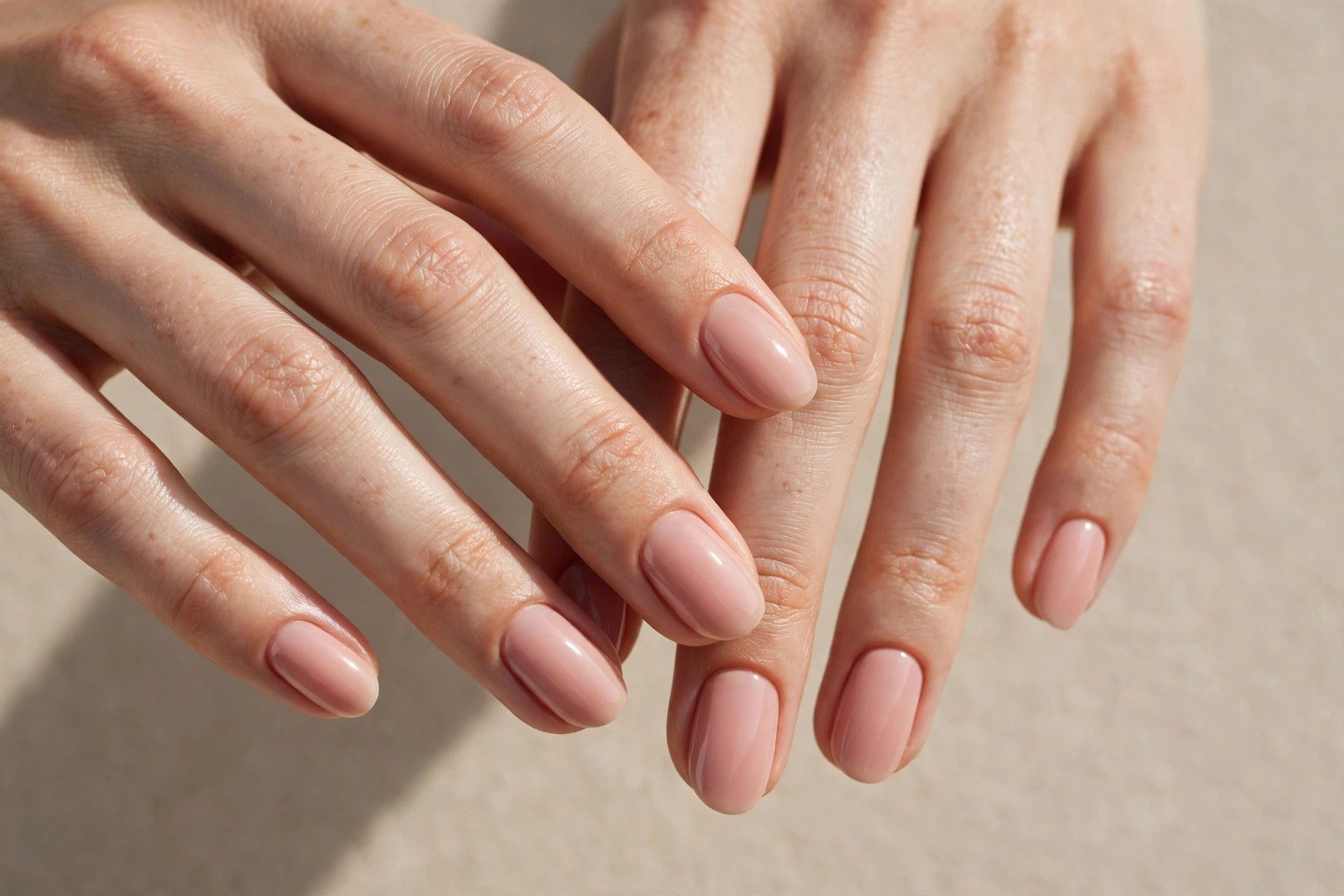
Oval Press-On Nails: The Shape Taking Over
Oval press-on nails are the quiet shape suddenly getting loud — searches jumped more than 4,000% in a week. Here's why the softest shape in the box is winning, and how to wear it.
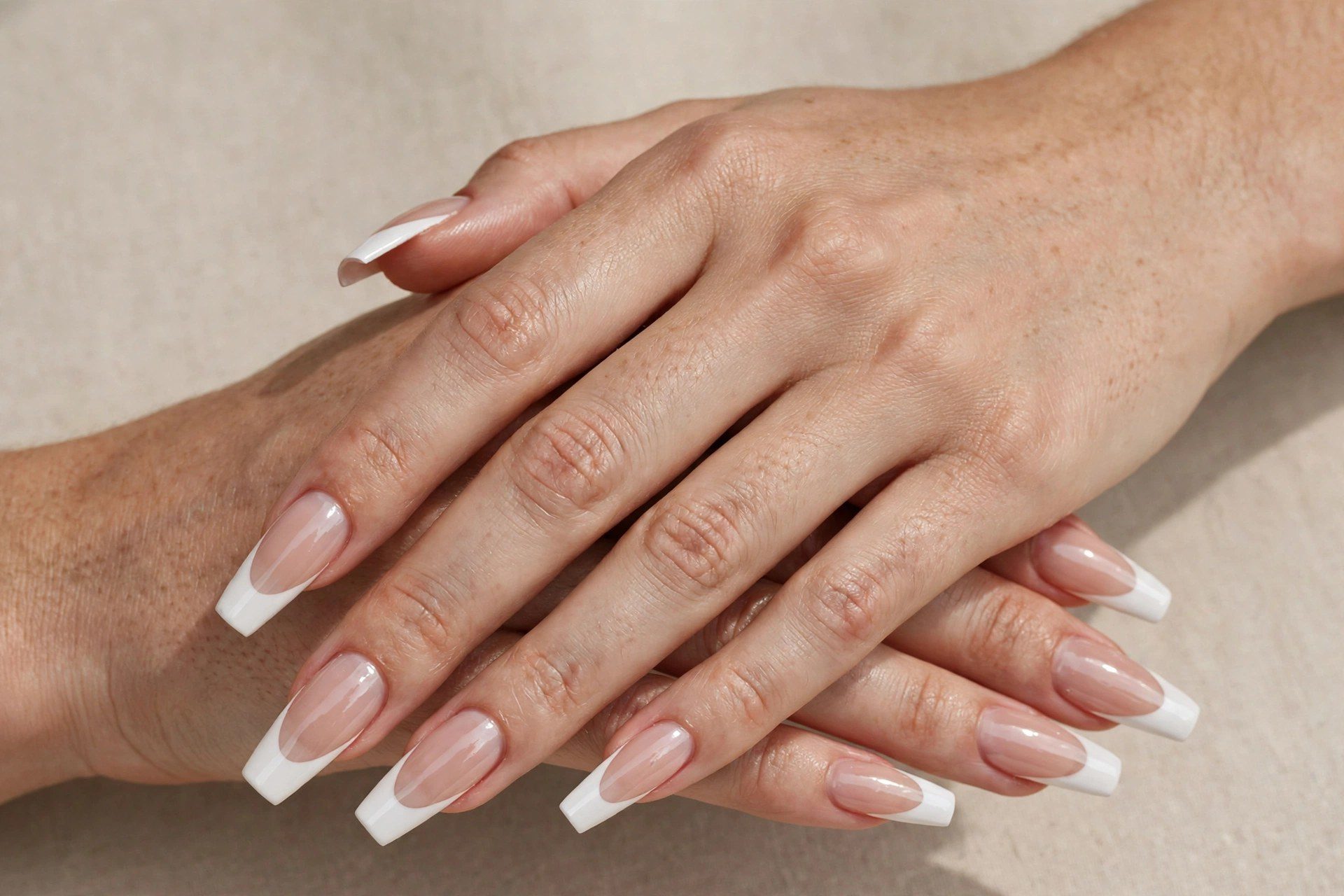
Coffin French Tip Press-On Nails That Look Salon-Done
Coffin French tip press-on nails pair the long, tapered coffin shape with crisp white tips — bold, clean, and surprisingly easy to wear. Here are the lengths, tip styles, and the application routine that keeps them on.