Textured French Bob: The Haircut of Autumn 2026
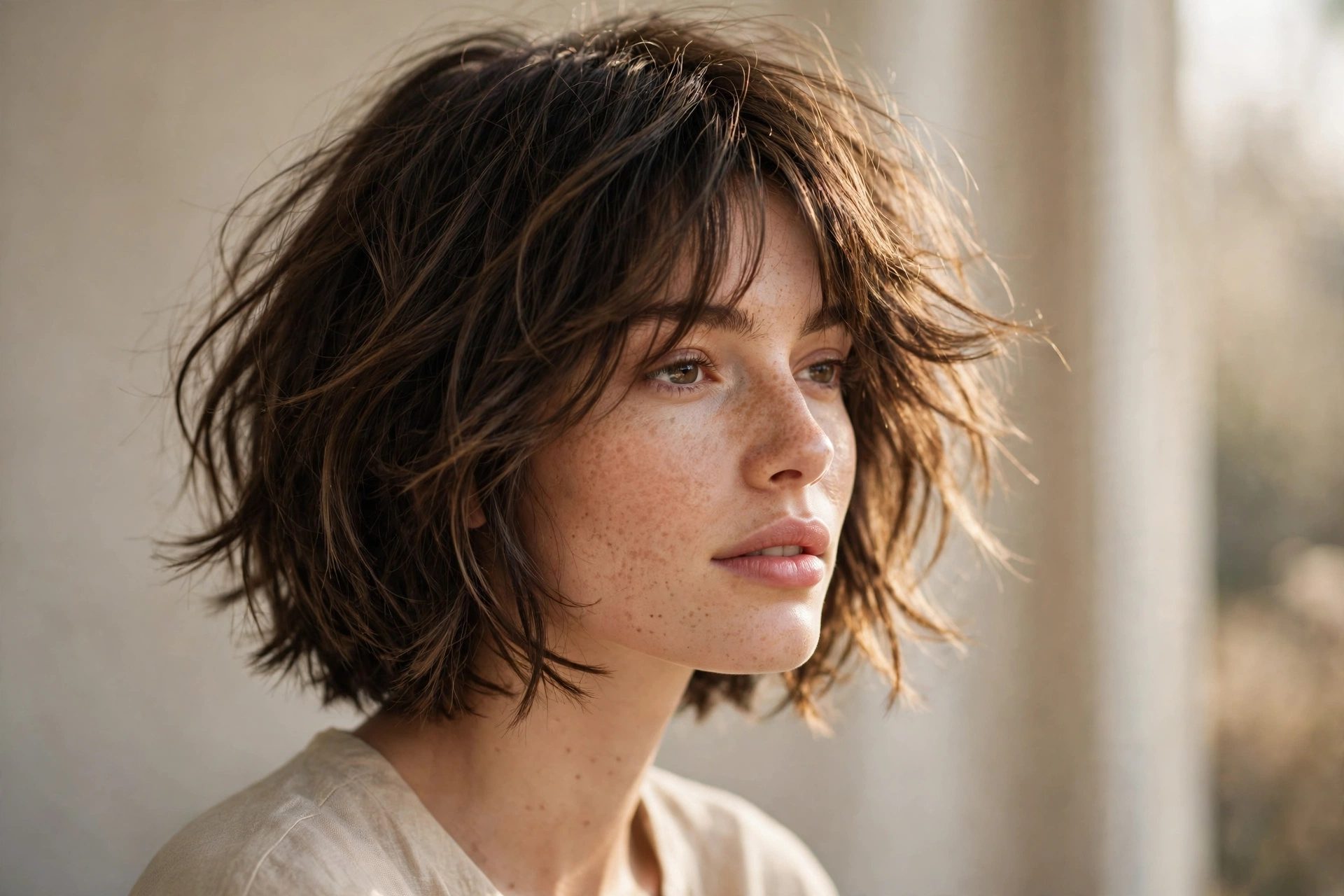
What the Textured French Bob Actually Looks Like
The classic French bob is a precision instrument: sleek, geometric, sharp enough to cut. The textured French bob is what happens when that chic haircut loosens its grip and learns to live a little.
Same DNA — jaw-to-chin length, that unmistakably Parisian silhouette — but instead of razor-straight ends and a mirror finish, you get soft internal layers, piece-y movement, and ends that flip and feather however they want. It looks like you cut it yourself and got lucky, in the best possible way.
The difference is honestly the whole point. A classic French bob has to be styled to look good; a textured French bob has to be unstyled to look good. Scrunch it, shake it, walk out the door. The messier it gets through the day, the more it looks like the reference photo. Few haircuts in history have ever rewarded neglect this generously.
Pinterest's numbers tell the story: searches for the textured French bob are up 338%, riding the same wave of specificity that's making everyone ditch vague "bob haircut" searches for the exact version they want. People don't want a bob. They want this bob.
Why Everyone's Asking for It Right Now
Two big things collided. First, the great precision-fatigue of the mid-2020s. After years of glass hair, liquid hair, and cuts that demanded forty-five minutes of heat styling, everyone is tired of hair that fights back. The textured French bob is the opposite of work — it's the haircut equivalent of a deep exhale.
Second, it's the cut of the moment because it sits right at the intersection of two things America keeps searching for: low-maintenance hair and high-impact results. Look at the broader search data — lived-in brunette, soft natural makeup, freckle makeup, no-mascara looks. The whole beauty mood right now is "I didn't try that hard, and somehow I look amazing." A haircut that gets better when you ignore it fits the assignment perfectly.
There's a seasonality angle too. This is peak bob weather — cool enough to want your neck free, not cold enough to hide your hair under a hat. Every autumn brings a chop, but this year's chop is messier and more forgiving than the sleek lobs of years past. And stylists are telling us it's their most-requested cut right now precisely because clients are tired of going home with hair they can't recreate.
What to Ask Your Stylist
Bring a photo. Seriously — "textured French bob" means slightly different things to different stylists, and thirty seconds of showing pictures beats ten minutes of describing. Save three: one front, one side, one messy candid.
The phrases that matter:
- "Textured, not blunt." This is the whole cut. You want internal layering and point-cut ends, not a one-length perimeter.
- "Jaw to chin length, maybe a touch longer in front." That slightly longer front is what keeps it modern and flattering instead of dated.
- "Lived-in ends." Ask for ends that are thinned and textured so they flick outward naturally instead of curving under in a helmet.
- "Soft layers through the crown." This gives you the volume and movement that make second-day hair look intentional.
What to skip: a fully blunt perimeter (that's the classic French bob, a different haircut), heavy face-framing bangs unless you want them (they're optional here, not required), and — controversial — a perfectly straight center part. Off-center or zigzag parts make texture look intentional rather than accidental.
Length honesty matters. If your hair is currently long, going straight to jaw-length is a shock even when you want it. Some stylists will take you to the collarbone first so you can live with it for a week before committing to the full chop. It costs an extra appointment but saves a lot of mirror regret.
Styling It (Five Minutes, Tops)
The styling routine is almost insultingly simple, which is the entire appeal.
On wash day: towel-dry, work a golf-ball of lightweight mousse or texture cream through the mids and ends, and rough-dry with your fingers instead of a brush. The rule is no round brushes, no flat irons, no striving. When it's about eighty percent dry, flip your head upside down, blast it for thirty seconds, flip back. Done. That is genuinely the whole tutorial.
For finer hair, mousse is non-negotiable — without it, textured ends can fall flat by afternoon. For thick hair, a pea-sized amount of texture paste on dry hair is what creates those separated, piece-y bits. Wavy and curly girls, you already won: curl cream, a diffuser, and your natural pattern will do more than any product can fake.
Second-day hair is where this cut earns its reputation. Sleep on it, shake it out in the morning, maybe hit the ends with a texturizing spray, and it looks like you spent twenty minutes on it. Nobody needs to know you spent twenty seconds.
The one thing that kills it: over-smoothing. The moment you run a flat iron through a textured French bob to "tidy it up," you undo the layers, the movement, the entire point. Resist. Messy is the finish line.
Our Honest Verdict
So — verdict time. Do we love it, or is it just this month's haircut?
We love it, and we don't say that lightly. The textured French bob is one of those rare cuts that's genuinely hard to get wrong. It flatters oval, square, heart, and round faces (longer front pieces are the round-face cheat code), works on fine, thick, straight, wavy, and curly hair, and ages beautifully — the grow-out is a series of cute in-between lengths instead of an awkward mullet phase.
Honest caveats: if your hair is very fine and very straight, you'll be married to texturizing products — the cut needs help holding its shape on that hair type. And if you live in your flat iron, this isn't your cut; fighting the texture defeats the purpose.
But for everyone else? This is the chop. It's the haircut that photographs like effort and lives like a weekend. Book the appointment, bring the photos, and enjoy the strange new experience of a hairstyle that gets better when you stop trying.
Frequently asked questions
How does a textured French bob grow out?
Any layered, textured bob will grow out softer than a blunt one — that's one of this cut's biggest perks. Plan a trim every 8 to 10 weeks to keep the shape, but you can let it drift a little longer without it looking shaggy. If you want to go back to long hair, the grow-out phase is basically a series of cute shoulder-skimming styles.
Does the textured French bob work with curly or wavy hair?
Yes, and honestly it might be the ideal hair for it. Natural waves and curls give you the movement and piece-y texture for free. Ask your stylist to cut your hair in its natural texture, and use a curl cream or a diffuser instead of fighting your curls with a flat iron. The French bob was practically invented for people who wake up with texture.
Is a French bob high maintenance?
Not really, and that's the whole point. The classic French bob demands a blowout and precise maintenance to keep its sleek, geometric edge. The textured version is the wash-and-go cousin — the layers do the styling work for you. If your idea of maintenance is fifteen minutes with a blow dryer and a round brush, you'll love the textured take and probably fight with the classic one.
What's the difference between a textured French bob and curtain bangs?
They're fraternal twins. Curtain bangs frame the face with center-parted, face-framing layers that work with any length. A French bob is an actual haircut — jaw-to-chin length, layered, textured — that often includes bangs but doesn't need them. You can absolutely combine them: curtain bangs with a textured French bob is one of the most-requested combos in salons right now.
Can I get a French bob with a round face?
It's one of the most flattering lengths for round faces, because the layers elongate where a blunt cut would emphasize width. The trick is to keep the front pieces a little longer — chin length or just past it — and ask for plenty of texture on top to add height. Avoid cutting it too short; a micro-length bob on a round face reads wider.
You may also like
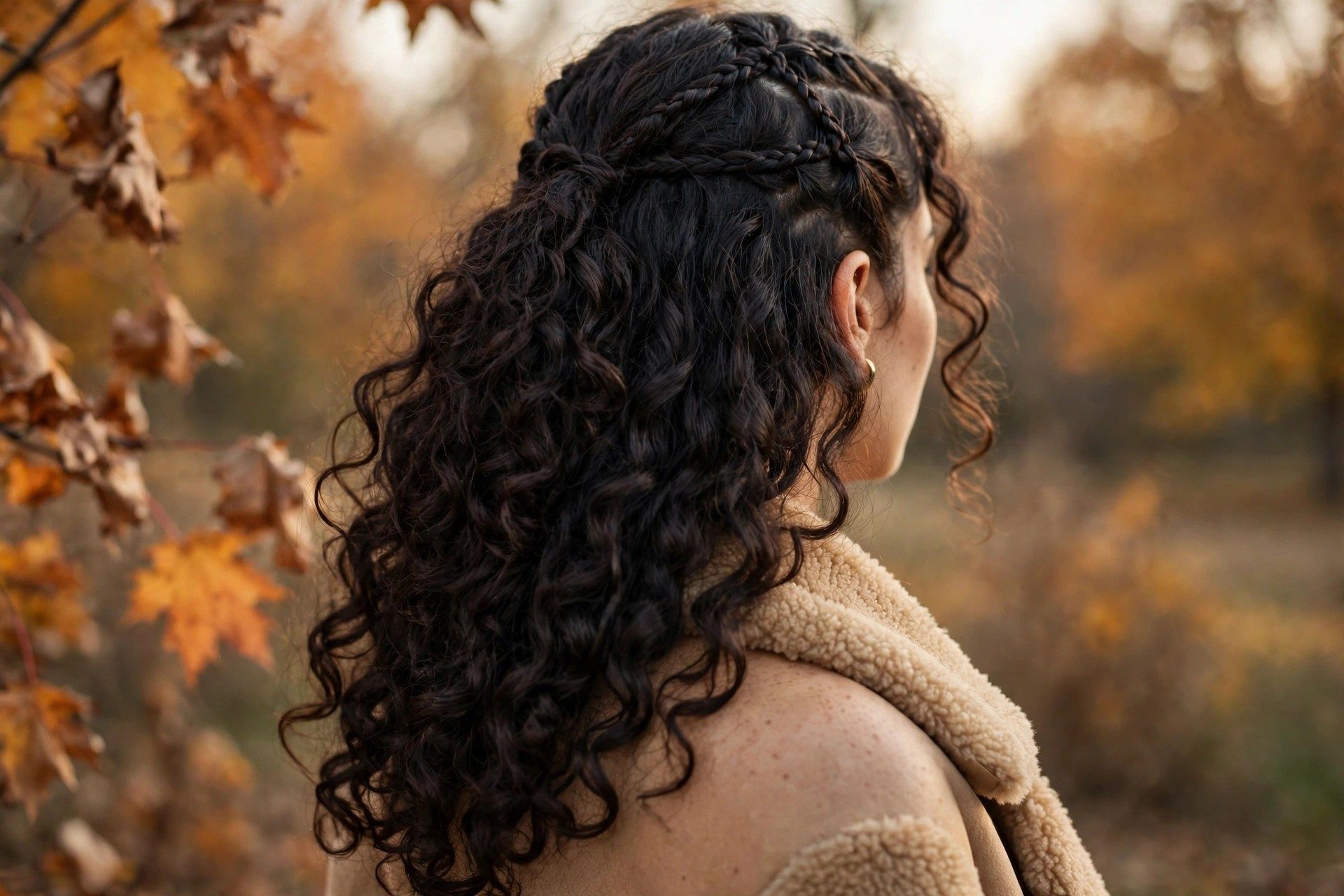
Rihanna's New Curly Hairstyle Is Fall's Dreamiest Look
Rihanna just stepped out in a half-up, braided curly hairstyle for fall — and US searches for her hair transformation jumped 600% overnight. Here's the look, why it's landing now, and how to steal it.
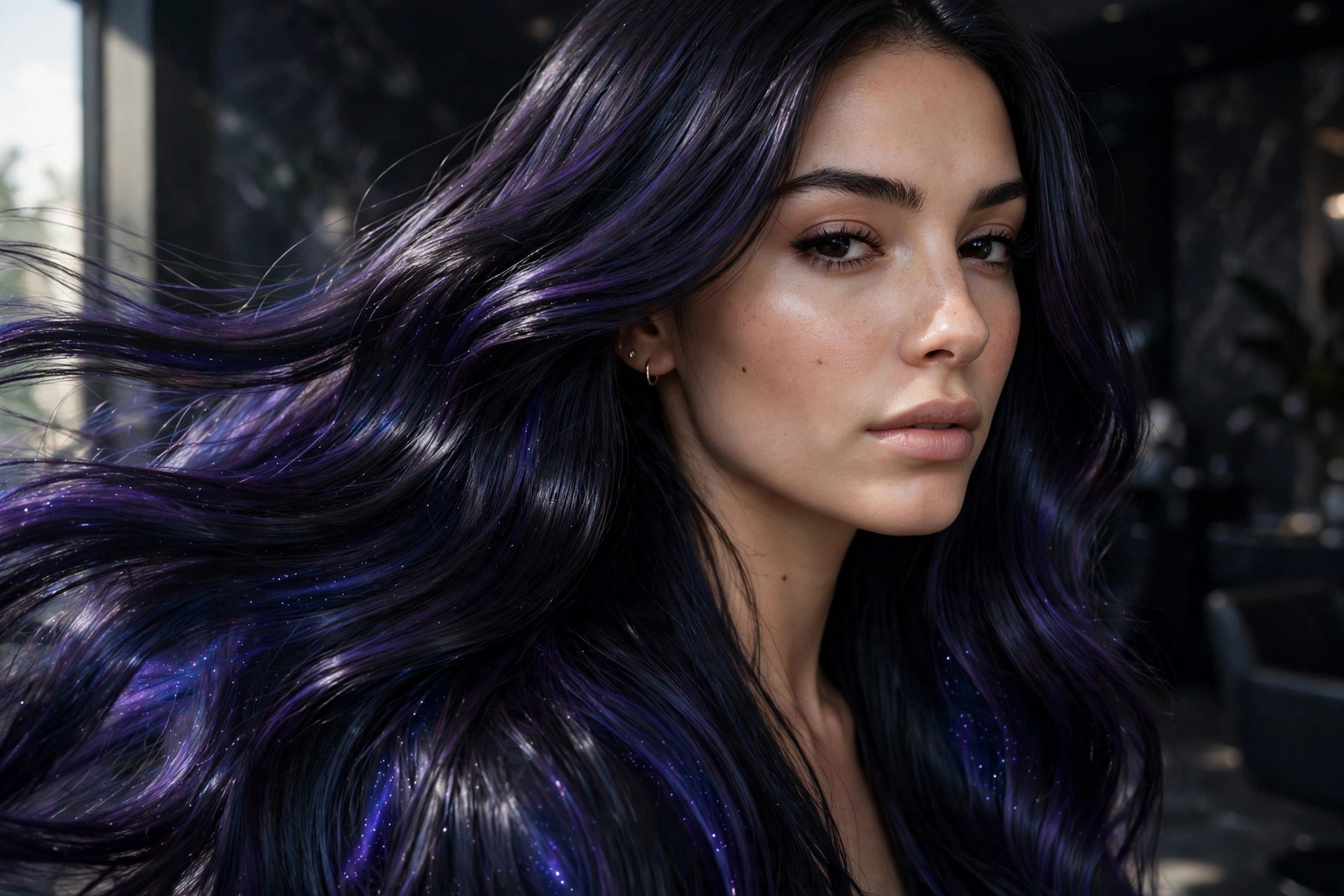
Cosmic Void Hair Color: The Dark Shade Everyone's Googling
Cosmic void hair color is fall 2026's darkest new obsession: hair that looks almost black indoors, then flashes deep violet and midnight blue in the light. Here's what it is, who it suits, and how to try it before you commit.
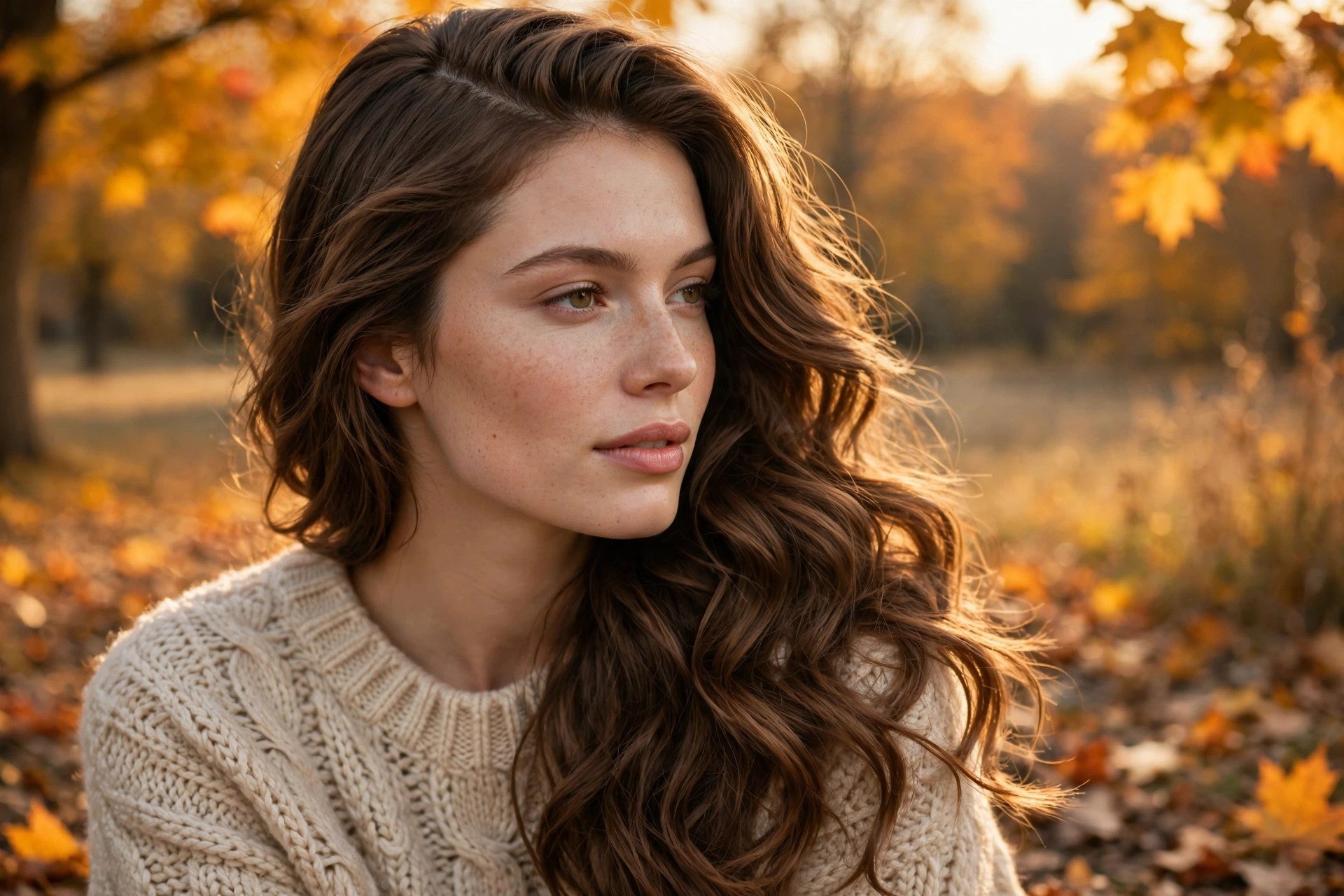
Deep Side Part Hairstyle: The 5-Minute Fall 2026 Switch
The deep side part hairstyle is fall 2026's easiest hair switch: instant volume, a softer face frame, and no haircut required. Here's how to find your side and style it without looking stiff.