Deep Side Part Hairstyle: The 5-Minute Fall 2026 Switch
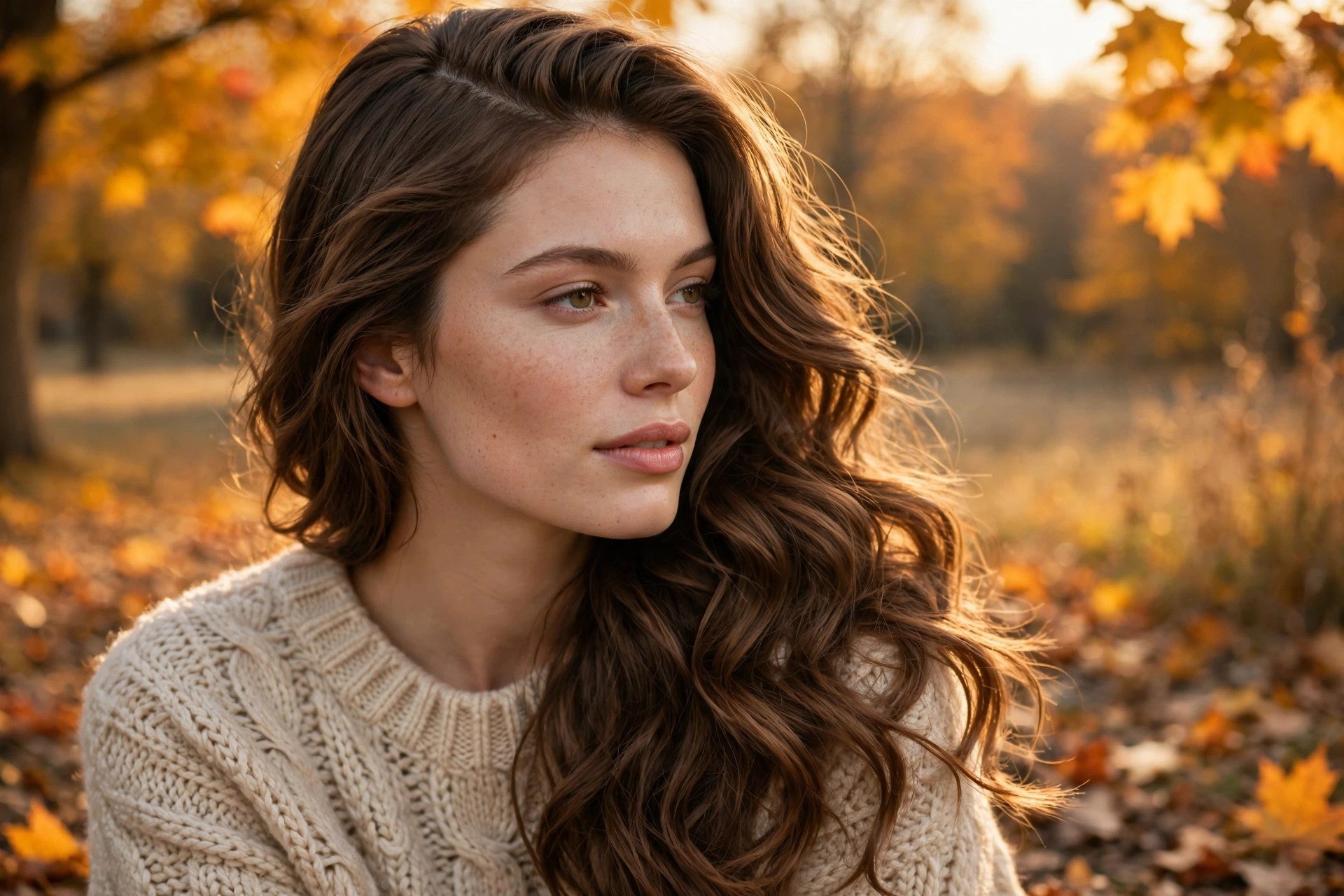
What a Deep Side Part Actually Is
We have spent years parting our hair down the middle without thinking about it. It was easy, it was safe, and honestly, it started to feel a little boring. So when the deep side part hairstyle started showing up again on runways and red carpets this fall, we paid attention. Not because it is dramatic. Because it is the rare trend that changes your whole face without a haircut, a color appointment, or a single new skill.
So what is it, exactly? A classic side part sits just a couple of centimeters off center. A deep side part goes further, roughly in line with where your eyebrow arches highest, so a much larger section of hair flips over to one side. That extra distance is the whole trick. It lifts the roots, angles the face, and makes even second-day hair look like you actually tried.
Why the Deep Side Part Is Back for Fall 2026
Center parts ruled for a long time, and they suited a lot of people. But they also have a flattening effect, especially at the roots. Everything falls evenly, which sounds balanced, but on real hair it can read as a little flat and a little serious. The deep side part does the opposite. It creates asymmetry on purpose, and asymmetry reads as movement, softness, and volume.
This fall's version is also softer than the one you might remember. The old deep side part, the one from the late 2000s, was often shellacked into place: a severe line, a heavy sweep, not a strand out of place. The 2026 version keeps the drama at the part and lets the rest of the hair relax. Waves keep their natural bend. Curls are shaped around the part instead of flattened by it. Flyaways are allowed to exist.
That softness is why it works across so many looks right now. We have seen it sleek and polished for evening, tucked behind one ear for the office, and worn with loose waves and a knit sweater for the weekend. It is not one hairstyle, really. It is a starting point that makes whatever you were already going to wear look a bit more considered.
And unlike a new cut, it flatters a surprising range of faces, because you control exactly where the line sits. Move it a little further over for more drama, or keep it closer to a classic side part for a quieter effect. The part is adjustable. Your haircut is not.
How to Create a Deep Side Part That Actually Stays
Here is the honest way to do it, because a deep side part done wrong just springs back by lunchtime and leaves you annoyed.
Step one: start damp. A part set on dry hair is a part that has already made up its mind. Mist the roots lightly with water or a leave-in spray, or work from freshly washed, towel-dried hair. Damp hair is pliable, and it will remember the new line once it dries.
Step two: find your side. Try both sides in daylight, and pay attention to how your hair falls on its own. Most hair has a natural direction, and fighting it is a losing battle. A useful starting point is the side where your eyebrow arches highest, then nudge the line until the hair sits without springing back. The right side usually feels almost boring to create. That is how you know.
Step three: create the line. Use the pointed end of a tail comb and draw the part from the front hairline back, keeping it fairly straight but not ruler-perfect. A slightly soft, lived-in line looks more modern than a severe one. If you want extra lift, this is the moment for a small amount of volumizing mousse or root-lift spray, worked into the roots on the heavier side only.
Step four: dry against the part, then flip. This is the trick stylists swear by, and it genuinely works. Blow-dry the top section in the opposite direction to your part, with light tension from a paddle brush, then flip the hair back over into place once it is dry. The roots stand up instead of lying flat, and you get height without teasing or a cloud of hairspray.
Step five: finish the lengths, not the roots. Smooth the smaller side behind your ear or hold it with one small clip, and let the heavier side fall where it wants to. A drop of hair oil on the ends, not the roots, keeps the lengths looking healthy. Five minutes, once you have done it twice.
Making It Work for Your Hair Type
One part, four very different heads of hair. Here is how we would adjust it for yours.
Fine hair: this is your best friend. Flipping a larger section over creates instant fullness, especially with the dry-against-the-part trick above. Keep products feather-light, because anything heavy will undo the lift. A diagonal part, rather than a perfectly straight one, can also make fine hair look denser, since the line itself adds visual texture.
Thick hair: go a little wider with the part so the weight distributes evenly, and keep the smaller side neatly tucked or clipped so the style does not feel lopsided. A smoothing cream on the smaller side tames bulk without flattening the volume on top. If your hair is very thick, ask your stylist for face-framing pieces that can tuck away cleanly; they make the tucked side look intentional instead of accidental.
Curly hair: do not chase a straight line. Let the part follow your curl pattern, and use your fingers rather than a fine comb to separate the sections. Diffuse or air-dry, then shape the curls around the part so the volume sits where you want it. The result is gorgeous: curls piled to one side have a natural glamour that straight hair has to work much harder for.
Short hair and bobs: yes, it works here too, and it might be where it looks best. A deep side part gives a bob instant asymmetry and shows off your bone structure, especially if you tuck the smaller side behind your ear. On a bob, keep the part a touch less extreme than on long hair, or the heavier side can swallow your face. A little root lift at the crown is all you need.
And for every hair type, the same rule holds: the part is the statement, so keep the rest simple. A low bun, a loose ponytail, or hair worn down all work beautifully with a deep side part, because the part itself gives a plain style its shape.
Our Honest Verdict: Worth Switching Your Part?
We tried the deep side part for a full week: sleek for a dinner out, tucked for work, and loose and wavy for the weekend. Here is our verdict.
What we loved: the mornings got easier, not harder. Once you know your side, the whole thing takes minutes, and it rescues hair that would otherwise need a full wash and restyle. The volume is real, especially on fine hair, and it photographs beautifully because the asymmetry gives the face a natural angle. We also loved how forgiving it is. If the part is a little crooked, it still looks good. If a few pieces fall forward, they look like face-framing layers, not mistakes.
What surprised us: how much the rest of the look matters. A deep side part with messy, unbrushed lengths can look accidental rather than effortless, so a quick pass with a brush and a drop of oil on the ends makes all the difference. On windy days, the smaller side needs a clip.
Who should try it: anyone bored of their center part, anyone with fine hair craving volume without a cut, and anyone who wants a fall refresh without booking an appointment. If you have been thinking about a change but cannot commit to bangs or a bob, start here.
Who can skip it: if your center part is genuinely your signature and you love it, keep it. No trend is worth trading a look you already love. And if your hair has a very strong natural part that fights every attempt to move it, a softer, barely-off-center part will give you most of the effect with far less frustration.
Our take? This is the easiest hair update of the season, and one of the few trends that costs absolutely nothing to try. Move the line, see your face differently, and decide for yourself. We have a feeling the center part will still be there if you want it back.
A deep side part also shows off dimensional color beautifully — see oxidized copper hair, fall's moodiest red.
Frequently asked questions
What is a deep side part hairstyle?
A deep side part sits further over than a classic side part, roughly in line with the arch of your eyebrow or the outer edge of your eye, rather than just a couple of centimeters off center. The extra distance is what creates the volume: more hair flips over to one side, so the roots lift and the face gets a soft, angled frame.
How do I find which side suits me?
Start with damp hair and try both sides in daylight, because most hair has a natural fall and will fight a part that goes against it. A good starting point is the side where your eyebrow arches highest, then adjust a little until the hair sits without springing back. Whichever side gives you lift at the roots without a fight is your side.
Does a deep side part work for fine hair?
Yes, and it is one of the best tricks for fine hair. Flipping a larger section of hair over to one side creates instant fullness at the roots, especially if you blow-dry the top in the opposite direction first and then flip it back into place. Keep the styling light, though: heavy products will flatten exactly the volume you just created.
Can I wear a deep side part with curly or thick hair?
Absolutely. On curly hair, let the part follow your curl pattern rather than forcing a razor-straight line, and shape the curls around the part with your fingers or a diffuser. On thick hair, a wider part helps distribute the weight so the style feels intentional instead of lopsided. A little leave-in cream on the smaller side keeps flyaways calm without flattening the curl.
What mistakes should I avoid with a deep side part?
Two things, mostly. First, forcing the part too far over, past where your hair naturally wants to fall, which is why it springs back by lunchtime. Second, over-styling the rest of the hair: a deep side part already does a lot of visual work, so pairing it with stiff, helmet-like volume or a heavy slicked finish can make the whole look feel dated. Keep the lengths soft and let the part be the statement.
You may also like
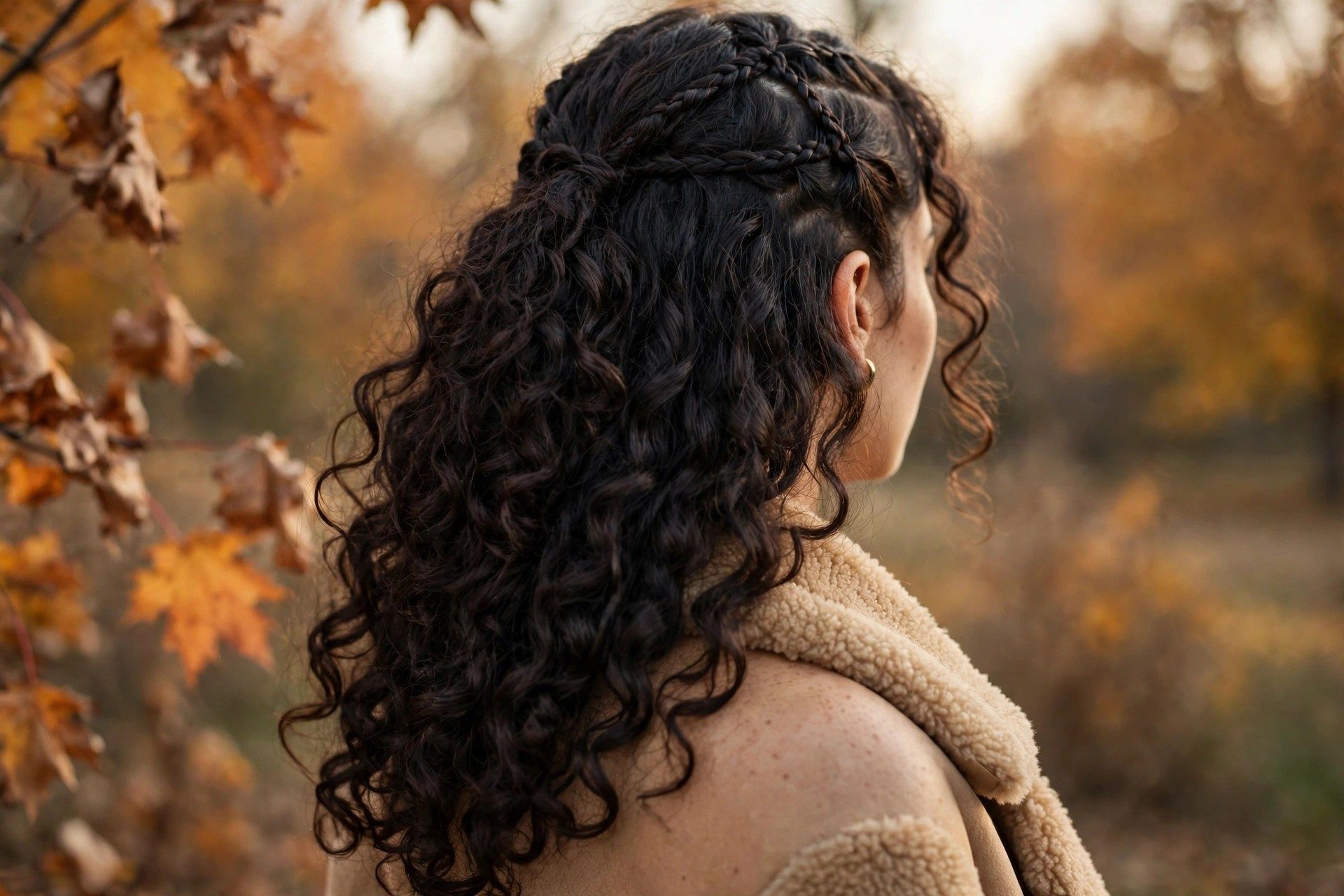
Rihanna's New Curly Hairstyle Is Fall's Dreamiest Look
Rihanna just stepped out in a half-up, braided curly hairstyle for fall — and US searches for her hair transformation jumped 600% overnight. Here's the look, why it's landing now, and how to steal it.
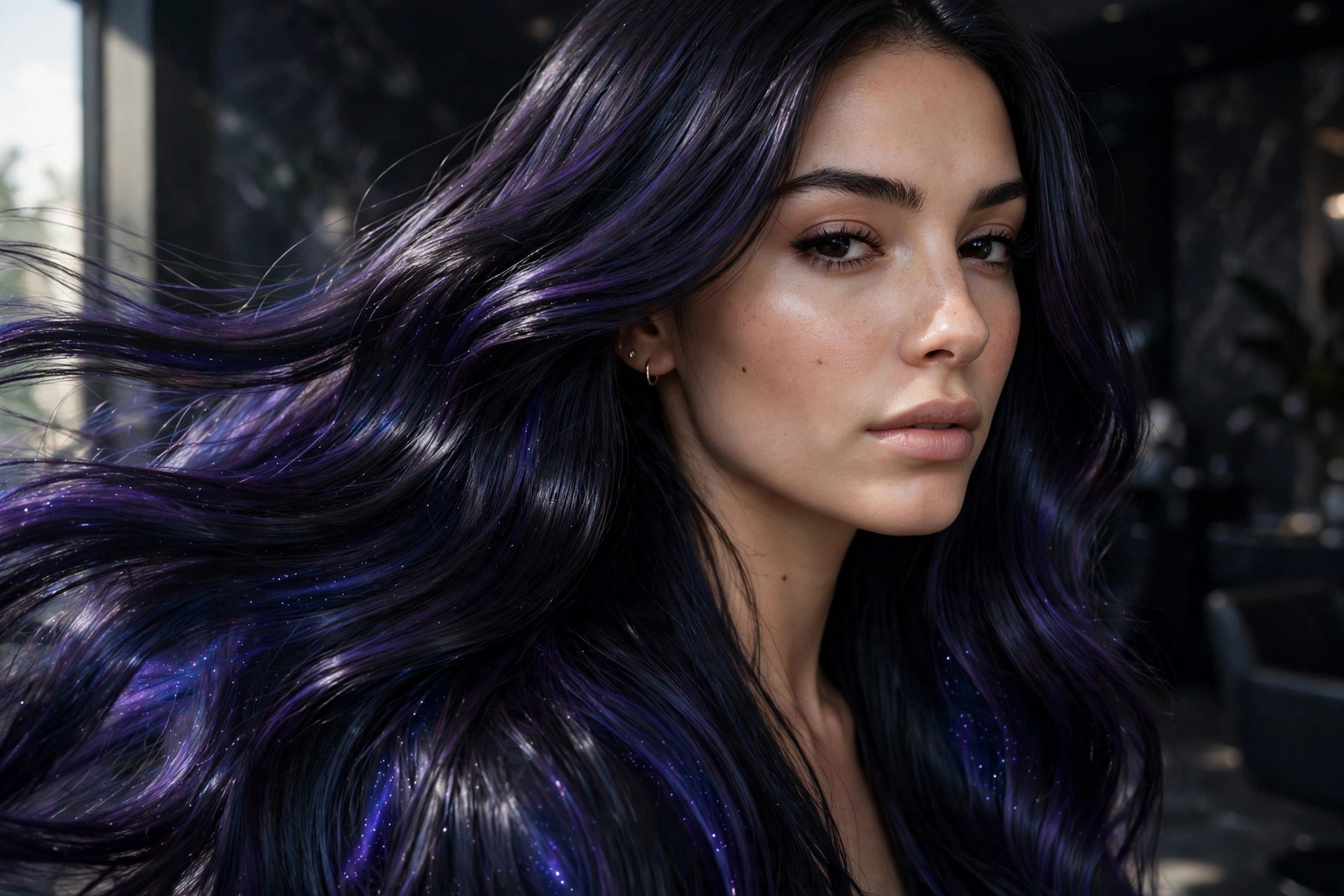
Cosmic Void Hair Color: The Dark Shade Everyone's Googling
Cosmic void hair color is fall 2026's darkest new obsession: hair that looks almost black indoors, then flashes deep violet and midnight blue in the light. Here's what it is, who it suits, and how to try it before you commit.

Flipped Bob Haircut: The 90s Flip Taking Over Fall
The flipped bob haircut is fall 2026's most flirtatious chop — a classic bob with ends flicked outward for instant movement. Here's who it suits, what to ask for, and how to flip it at home.