Long Layered Bob: The Fall 2026 Cut Everyone's Saving
What a Long Layered Bob Actually Is
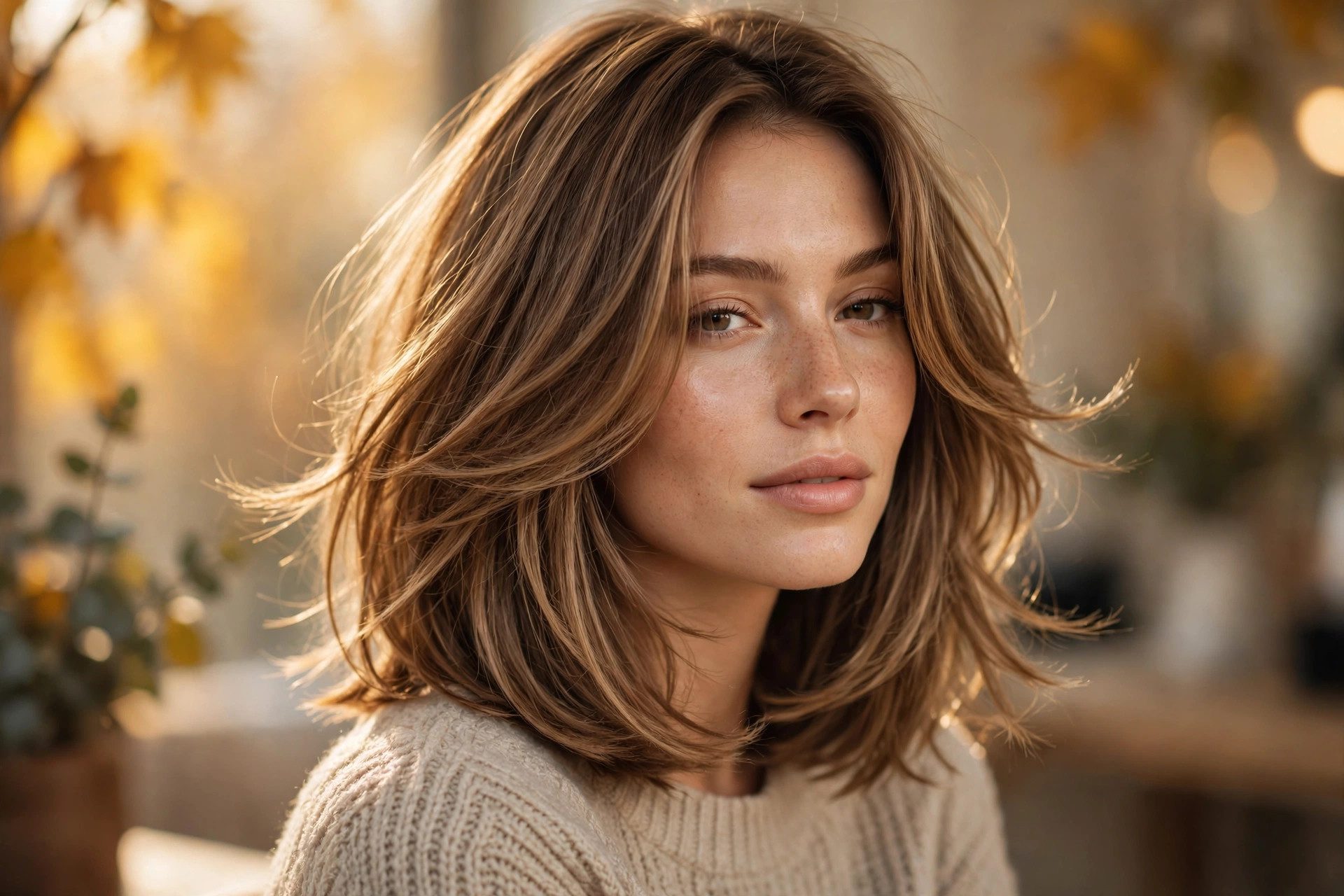
We have watched the bob go through a lot of phases — blunt, French, shaggy, you name it — but the version everyone is actually saving right now is the long layered bob, softer than all of them. The long layered bob sits around the collarbone, with layers cut through the length instead of one sharp line at the bottom. It still reads as a bob, but it moves like longer hair.
That length is the whole trick. A classic bob ends at the jaw or chin, which is a commitment. This one stops just above the shoulders, so you get the shape and the swing of a bob without giving up the option of a ponytail on a bad hair day. Honestly, that alone explains half its popularity.
The layers are doing the rest of the work. They are long and blended, not choppy, so the hair falls in soft pieces rather than one heavy curtain. On straight hair that means gentle movement at the ends. On wavy hair it means the texture finally has room to do something interesting instead of sitting flat.
Why Everyone Is Saving This Cut Right Now
So why now? Pinterest's first 2026 Beauty Trend Report put searches for long layered bob haircuts up 622% year on year, the biggest jump in its whole bob category. That is not a quiet trend. That is a lot of people screenshotting the same haircut.
Part of it is timing. Fall is when people want a change that still works with scarves, coats, and real life, and a blunt bob can feel a bit severe once the layers of clothing come out. A softer, longer version feels like a fresh start without the shock of a dramatic chop. We tried the shorter route years ago and spent months growing it out — this feels like the wiser version of that impulse.
There is also a reaction going on. For a while, the perfect, glassy, one-length bob was everywhere, and perfect gets boring fast. People want hair that looks like it moves when they turn their head. Layers give you that, even on a lazy hair day when all you did was rough-dry it and go.
And let us be real: it photographs well. The face-framing pieces catch the light, the ends flip or curve instead of hanging dead straight, and it looks good from the front, the side, and the back. In a year when everyone is saving hair ideas before they book, that matters.
Who It Suits, Honestly
Here is the good news: this cut is genuinely flexible. The question is not whether it suits you, but how the layers should be cut for your hair.
Fine hair: keep the layers long and few, and protect the perimeter. Too many short layers will thin out the ends and make the whole thing look wispy. A few well-placed longer layers give movement without sacrificing the fullness you have got.
Thick hair: this is where layering earns its keep. Internal layers take out bulk so the hair sits flatter at the roots and moves at the ends, instead of forming one big triangle. If your hair has ever felt heavy and shapeless at shoulder length, this is probably the fix you have been looking for.
Wavy or curly hair: go longer with the layers and talk to your stylist about how much your hair springs up when it dries. Cut too short in layers, curls can bounce up further than you planned. Cut with that shrinkage in mind, though, and you get a shape that actually holds its form between washes.
Round or square faces: the collarbone length is your friend here. It draws the eye down past the jaw, and face-framing layers that start at the cheekbone or below soften the outline without hiding your face. Shorter bobs can sometimes box a face in; this length opens it up.
Who should think twice? If you love a razor-sharp, architectural line and you iron your hair pin-straight every morning, a soft layered cut might feel too undone for you. And if your hair is very short right now, growing into this length takes patience — it is a grow-out goal, not an instant switch.
What to Ask Your Stylist (and How to Style It)
Booking the appointment is the easy part. Explaining what you want is where most haircuts go sideways, so go in with a plan.
First, save photos that show the length and the texture you like, not just a pretty face. Two cuts both called a bob can look completely different, so a photo of the back matters as much as the front. Tell your stylist you want collarbone length with long, soft layers and a lived-in finish. Say whether you want face-framing pieces, and whether you part your hair in the middle or on the side, because that changes where the shortest pieces should sit.
Second, be honest about your routine. If you air-dry most days, say so — your stylist will cut the layers to fall naturally. If you blow-dry, they can build in a shape that responds well to a round brush. A cut designed for a routine you do not have is a cut you will fight every morning.
For styling at home, keep it simple. A rough dry with your fingers gives you the undone version, which is honestly our favorite. For a more polished finish, use a round brush and flick the ends under, or flip a few pieces out at the front for that soft, flipped feel that is also trending this season. A little texture spray through the mid-lengths stops the layers from collapsing by lunchtime, and a drop of smoothing oil on the very ends keeps them looking healthy without weighing the layers down.
One thing we learned the hard way: do not over-layer the front. Face-framing pieces that start too high can look disconnected from the rest of the cut. Start them at the cheekbone or lower and let them blend — you can always go shorter next time.
Our Honest Verdict
We have seen a lot of haircuts come and go, and most of them ask you to change your whole routine to make them work. This one does the opposite. It works with the hair you already have, it survives a rushed morning, and it still looks intentional when you have done almost nothing to it.
Is it the most daring cut of the year? No, and that is kind of the point. It is the cut for people who want to look like they had a great appointment, not like they are trying out a personality. The length is flattering, the layers add life, and the grow-out is gentle enough that you will not panic in week five.
Our verdict? If you have been circling the bob idea for months but flinching at the chin-length commitment, this is your way in. Book the collarbone version, keep the layers soft, and give it two weeks. We suspect you will wonder why you waited so long — we certainly did.
Frequently asked questions
What exactly is a long layered bob?
A long layered bob sits around the collarbone or just above the shoulders, with layers cut through the length rather than one blunt line. The layers give it movement and shape while the length keeps it versatile enough to tie back.
Does a long layered bob work for fine or thick hair?
It works on most hair types, but the layering is adjusted to suit you. Fine hair needs longer, fewer layers to protect the ends, while thick hair benefits from more internal layering to remove bulk. Wavy and curly hair get a softer, longer layer pattern so the shape does not shrink up too much.
What should I ask my stylist for?
Ask for collarbone length with long, soft layers and a lived-in finish, and bring photos that show both the length and the texture you like. Mention whether you want face-framing pieces, and whether you usually air-dry or blow-dry, because that changes how the layers should fall.
Can I still tie up a long layered bob?
Yes, and that is part of the appeal. It is long enough for a low ponytail, a loose bun, or a half-up style, which is one reason it beats a shorter bob for anyone who is not ready to give up tying their hair back completely.
How often does it need a trim?
Most people need a trim every six to eight weeks to keep the layers fresh and the ends healthy. The grow-out is forgiving, though, so if you stretch it a little longer, the cut softens into a lob rather than falling apart.
You may also like

Rihanna's New Curly Hairstyle Is Fall's Dreamiest Look
Rihanna just stepped out in a half-up, braided curly hairstyle for fall — and US searches for her hair transformation jumped 600% overnight. Here's the look, why it's landing now, and how to steal it.
Cosmic Void Hair Color: The Dark Shade Everyone's Googling
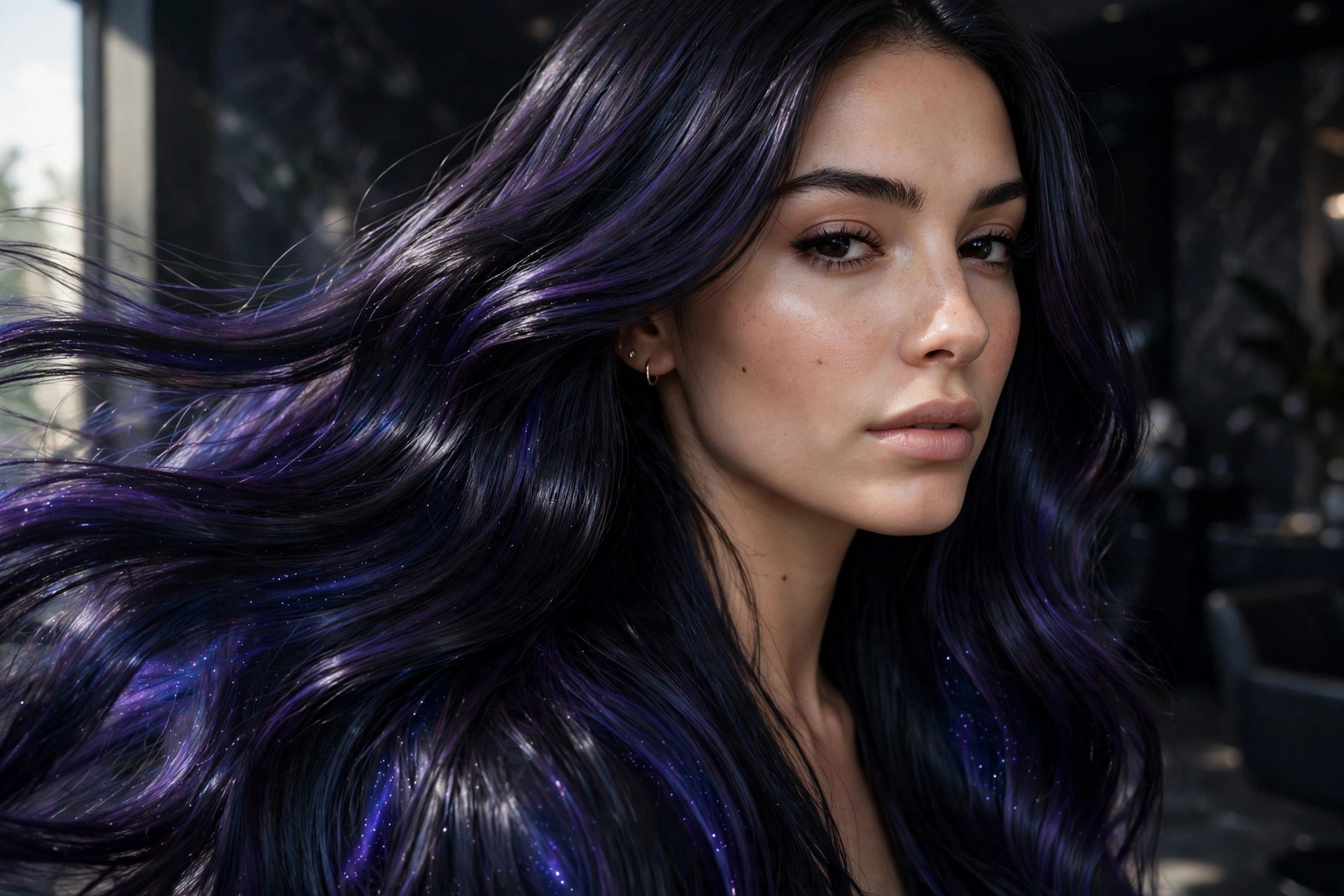
Cosmic void hair color is fall 2026's darkest new obsession: hair that looks almost black indoors, then flashes deep violet and midnight blue in the light. Here's what it is, who it suits, and how to try it before you commit.
Deep Side Part Hairstyle: The 5-Minute Fall 2026 Switch
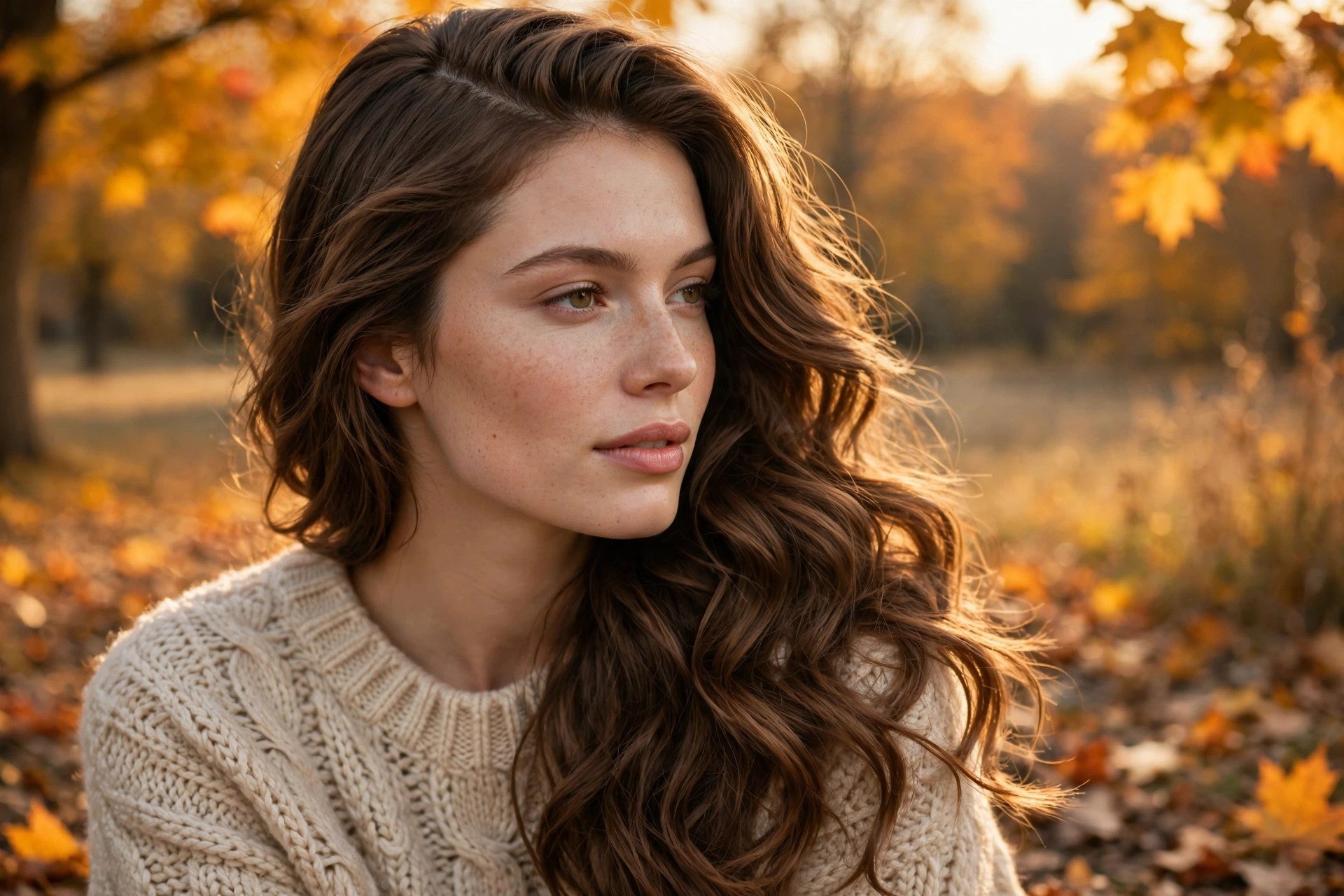
The deep side part hairstyle is fall 2026's easiest hair switch: instant volume, a softer face frame, and no haircut required. Here's how to find your side and style it without looking stiff.