French Curl Braids: Soft, Romantic Hair You'll Love
What Are French Curl Braids?
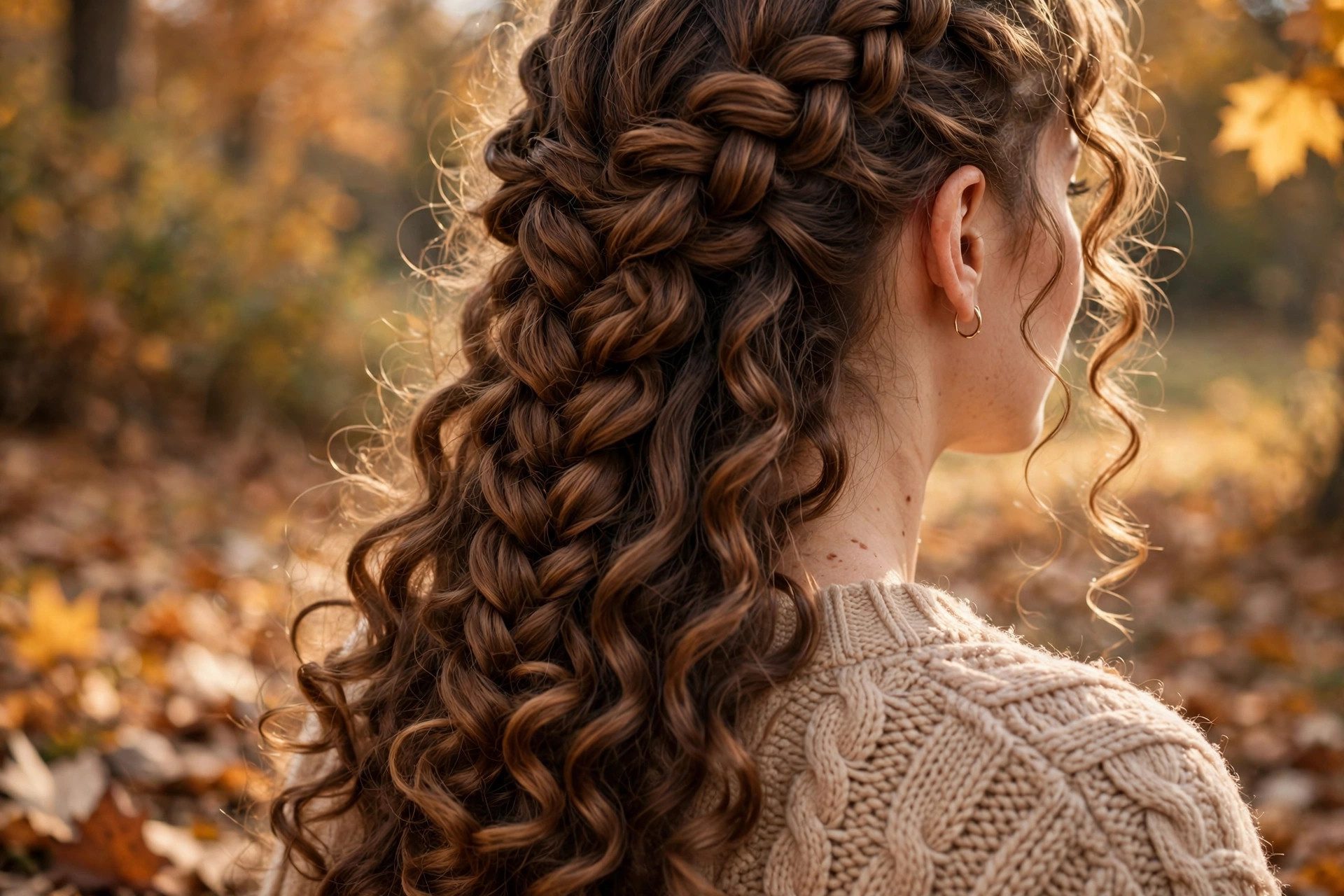
French curl braids are exactly what they sound like, only prettier in person. They are braids — usually box braids or knotless braids — that finish in loose, bouncy curls instead of straight, sealed ends. The top stays neat and structured, the lengths stay soft, and the ends move like real hair. No stiffness, no blunt tips, just curls that catch the light every time you turn your head.
We love this detail: the style looks polished without looking fussy. From the front, you get the clean partings and face-framing shape of a classic braid style. From the back, you get all that romantic, windswept texture. It is the rare protective style that reads both put-together and relaxed, which is probably why it keeps showing up on our feeds this fall.
Here is the part people get wrong. French curl braids are not just box braids with curly hair added at the end, though that is one way to do them. The best versions use pre-curled braiding hair, so the curl pattern runs through the whole braid and the ends fall naturally. That is what gives the style its softness. If the curl only starts at the last few inches, it can look like an afterthought. When it is built in, it looks intentional.
They also suit more hair types and face shapes than most braid trends, honestly. Small braids give you volume and movement, medium braids give you that effortless, romantic drape, and larger braids give you a bolder, statement version. There is no single right size, just the one that fits your life.
Why French Curl Braids Are Everywhere Right Now
So why this style, and why now? Pinterest's 2026 Beauty Trend Report puts searches for French curl braids up 210%, and that number tracks with what we have been seeing. Beauty is swinging toward softness this fall. The report's whole romantic mood — soft natural makeup, loose texture, curls and wisps around the face — is the same world French curl braids live in. They are not a sharp, severe look. They are a heroine-in-a-period-drama look, and people are clearly ready for it.
There is a practical reason too. Protective styles are having a real moment because they save time. Once French curl braids are in, your morning routine basically disappears. Shake them out, maybe refresh the curls, and go. For anyone juggling work, workouts, and a social life, that low-effort payoff is hard to beat.
And then there is the versatility, which we cannot overstate. Wear them down for maximum romance, sweep them into a high ponytail for a night out, twist them into a loose bun for the gym, or pull two front braids back and let the rest fall. One install, a dozen looks. How many hairstyles can honestly say that?
They also photograph beautifully, which matters more than we like to admit. The curls add dimension in photos in a way straight braids sometimes do not, especially in autumn light. Gold jewelry, a chunky knit, a wool coat — French curl braids just make sense with all of it.
How to Get French Curl Braids
At the salon: ask for French curl braids by name, and bring a reference photo. Show your stylist the size you want — small, medium, or large — and the length, because curls eat up length in a way straight braids do not. If you want waist-length curls, say so, and expect the braiding hair to be longer than you think. Talk about parting too: clean box partings look classic, while a middle or side part with face-framing braids feels softer and more romantic.
One question worth asking before you sit down: knotless or traditional? Knotless braids start with your natural hair and feed the extensions in gradually, so they tend to feel lighter and put less tension on your edges. Traditional box braids can be quicker and firmer. If your scalp is sensitive, knotless is usually the kinder choice, and it is the version we reach for most often.
At home: this is a doable DIY if you are patient and comfortable braiding, but be honest with yourself about the time. A full head can take several hours, and the curls need gentle handling so they do not tangle while you work. Prep your hair first — washed, detangled, and lightly moisturized — and work in clean sections. Braid most of the length, then let the pre-curled ends fall free. Seal the braid just above where the curls begin, not over them, or you will flatten the very texture you wanted.
A tip we learned the hard way: do not pull the curls tight while braiding. The looser your hands stay near the ends, the bouncier the finish. And keep a spray bottle nearby. Lightly damp hair is easier to section, and a little leave-in conditioner keeps flyaways down without weighing the curls down.
Styling and Caring for French Curl Braids
Styling is where this look earns its keep. For everyday wear, just let them fall. A middle part feels classic, a deep side part feels glamorous, and a half-up style — two front sections twisted back, the rest loose — is our go-to when we want to look like we tried without actually trying.
For evenings, try a high ponytail with a few curls pulled loose around your face, or a low, loose bun with the curls spilling out. Both take about two minutes and both look deliberate. Add a scarf, a claw clip, or gold cuffs on a couple of braids, and the whole style shifts from casual to occasion-ready.
Care is simple, but it matters. At night, gather the braids loosely and cover them with a satin bonnet or scarf — cotton pillowcases are the enemy of curl definition. In the morning, shake the curls out gently with your fingers, never a fine-tooth comb. If the curls start to look tired, mist them lightly with water and a little leave-in conditioner, then scrunch upward. That one move revives the whole style.
Wash-wise, keep it light. A diluted shampoo applied to the scalp, rinsed carefully, then air-dried, is plenty. Heavy oils and thick creams will weigh the curls down and make them look limp, so use a light hand. And resist the urge to over-touch them during the day. The more you finger through curls, the faster they frizz — a lesson we relearn every single time.
How long do they last? With gentle care, most people get three to six weeks of good wear, though the curls look their freshest in the first couple of weeks. When the new growth starts to show and the curls lose their bounce, that is your sign to take them out, rest your hair, and start again.
Our Honest Verdict: Worth Trying?
Short answer: yes, especially this fall. French curl braids are one of those styles that look like a big commitment and feel like a break. You do the work once, then you get weeks of good hair days with almost no effort. That trade is hard to argue with.
Who should try them? Anyone who wants a protective style that does not look severe. Anyone growing their hair out, anyone tired of straight braids, and anyone who loves romantic, textured hair but does not want to curl their own hair every morning. If you have ever looked at a braid style and thought, that is pretty, but a little stiff for me — this is your version.
Who can skip them? If you hate any upkeep at all, know that the curls do need that satin bonnet and the occasional refresh. And if you swim a lot or work out hard every day, be ready for extra detangling — curls and chlorine are not best friends.
Our take? This is the prettiest protective style of the season, and the most wearable. Soft, romantic, low-effort, and genuinely flattering — what is not to love? We would book it again tomorrow.
Frequently asked questions
What are French curl braids?
French curl braids are box or knotless braids made with pre-curled braiding hair, so the braids end in loose, bouncy curls instead of straight tips. The top stays neat and structured while the lengths and ends stay soft and romantic.
How long do French curl braids last?
With gentle care, they usually last three to six weeks. The curls look freshest in the first couple of weeks, and a satin bonnet at night plus a light curl refresh in the morning will stretch the style out.
Can I do French curl braids at home?
Yes, if you are comfortable braiding and have several hours to spare. Work in clean sections, braid most of the length, and let the pre-curled ends fall free without sealing over them. Knotless versions are trickier for beginners, so start with a traditional box-braid base.
Are French curl braids a protective style?
Yes. Like other braid styles, they tuck your natural hair away and cut down on daily heat and manipulation. Just keep the braids from being installed too tightly, especially around your edges, and give your hair a rest between installs.
What size French curl braids should I get?
Small braids give you the most volume and movement, medium braids give the classic romantic drape most people picture, and large braids make a bolder statement with a faster install. Medium is the safest first try if you are unsure.
You may also like
Rihanna's New Curly Hairstyle Is Fall's Dreamiest Look
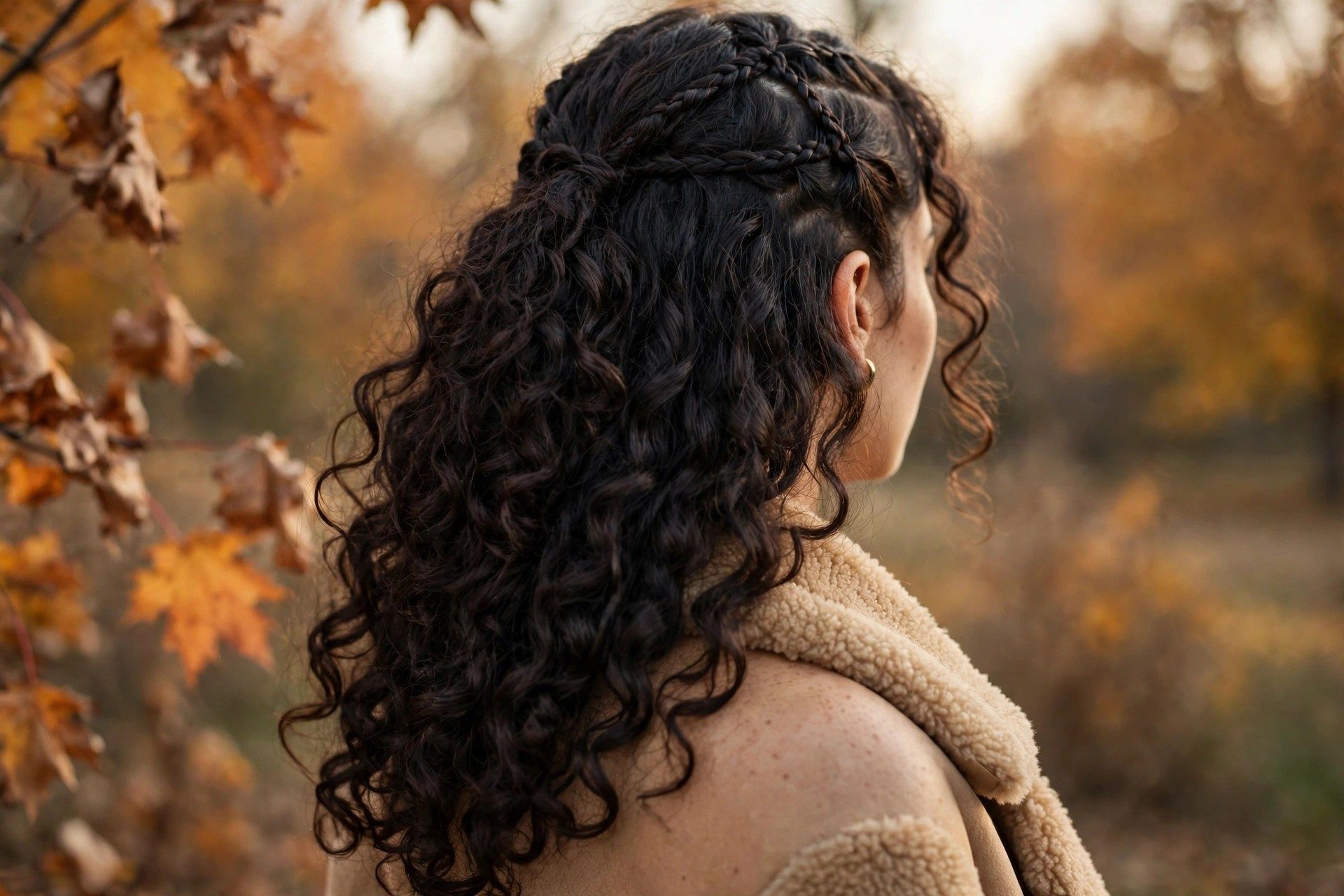
Rihanna just stepped out in a half-up, braided curly hairstyle for fall — and US searches for her hair transformation jumped 600% overnight. Here's the look, why it's landing now, and how to steal it.
Cosmic Void Hair Color: The Dark Shade Everyone's Googling
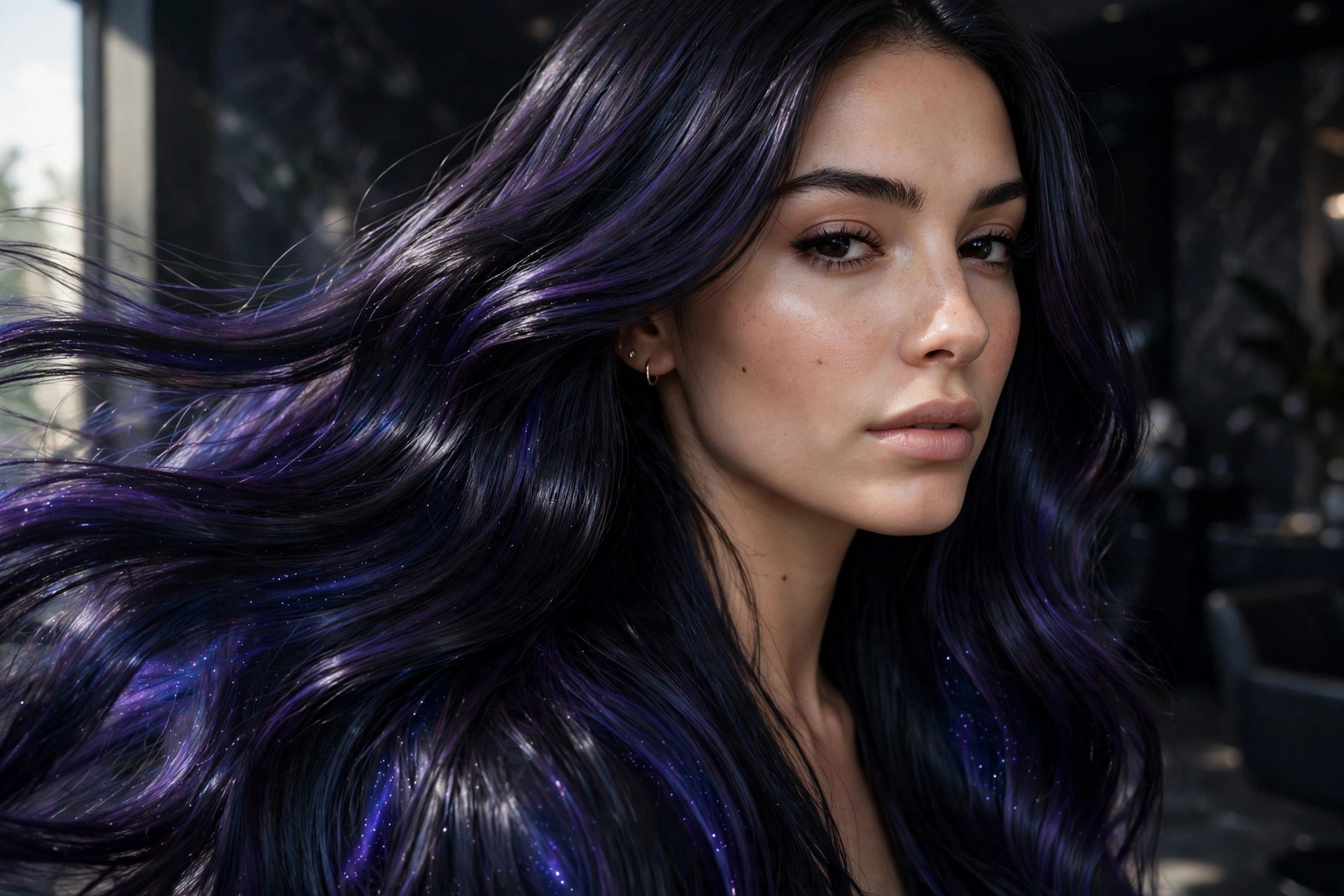
Cosmic void hair color is fall 2026's darkest new obsession: hair that looks almost black indoors, then flashes deep violet and midnight blue in the light. Here's what it is, who it suits, and how to try it before you commit.
Deep Side Part Hairstyle: The 5-Minute Fall 2026 Switch
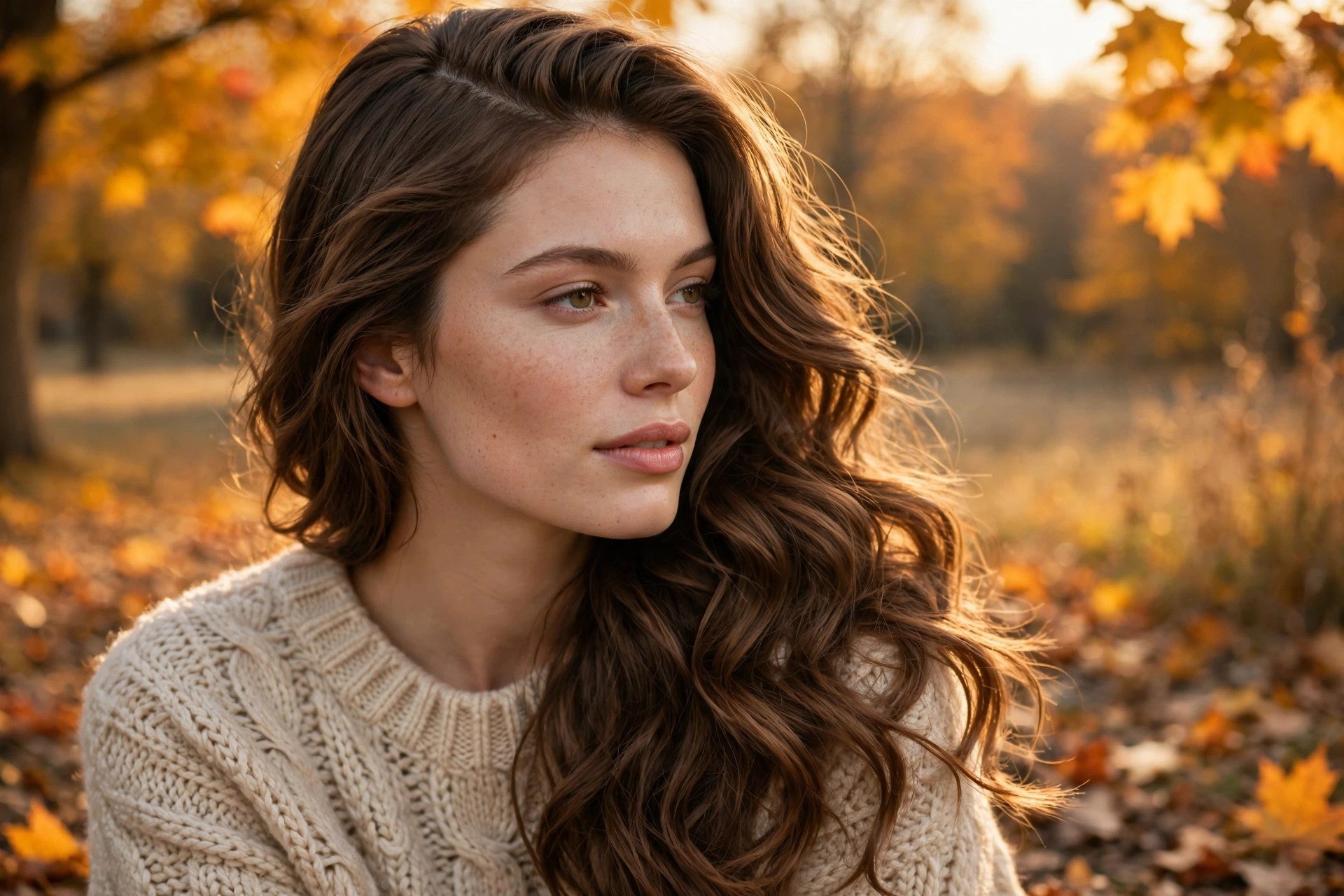
The deep side part hairstyle is fall 2026's easiest hair switch: instant volume, a softer face frame, and no haircut required. Here's how to find your side and style it without looking stiff.