Flipped Bob Haircut: The 90s Flip Taking Over Fall
What Is a Flipped Bob, Exactly?
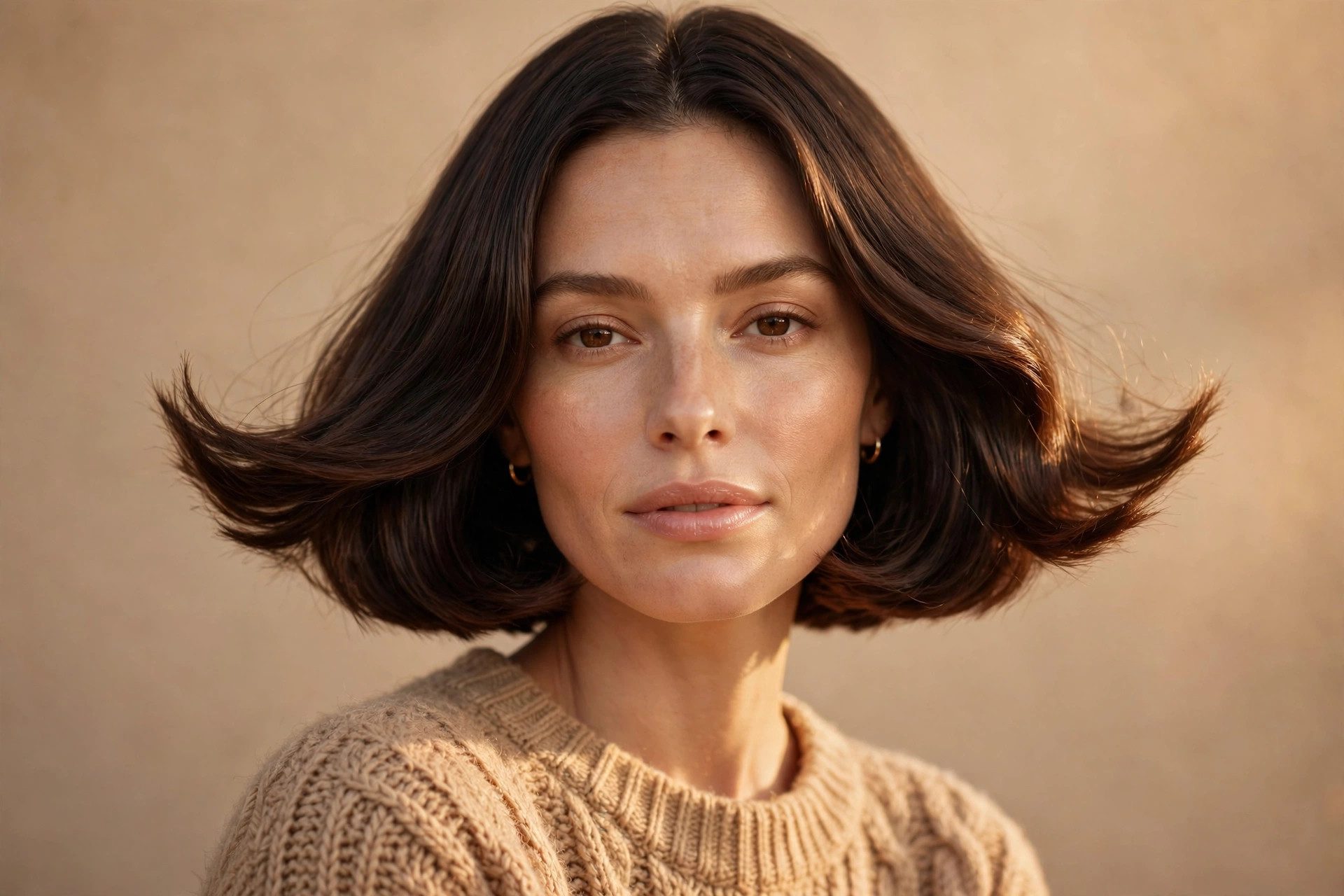
Some haircuts whisper. The flipped bob haircut does not. It's a classic bob — chin to collarbone, clean outline, nothing fussy — with one small, joyful rebellion at the ends: instead of tucking under, they flick outward. The result is bounce, movement, and a little bit of attitude, like your hair is mid-laugh.
We've watched this one creep back all year, and Pinterest's 2026 Beauty Trend Report backs up what our feeds have been telling us: searches for flipped bob hairstyles are up 299%. That's not a blip. In a season full of softer, shaggier bobs, the flip stands out because it's so specific — you can spot it from across a coffee shop.
Why does it work so well right now? For one thing, it's nostalgic without being a costume. The flipped bob nods to the 90s — think bouncy sitcom hair and supermodel flicks — but worn with today's softer texture and lived-in color, it reads fresh, not retro. And unlike a lot of trend cuts, you don't have to commit to it at the salon to try it. If you already have a bob, you can flip the ends tonight and see how you feel about it by morning.
So what exactly makes a flipped bob different from any other bob with a bit of styling? Let's get into it.
Soft Flip or Bold Flip? Know the Two Versions
Here's the simplest definition: a flipped bob is any bob whose ends are styled outward, away from the face and neck, rather than curled under toward them. That's it. The cut underneath can be blunt, layered, French, or long — the flip is the finishing move, not the cut itself.
But the flip changes everything about how the cut reads. Tucked-under ends look polished and contained. Flipped-out ends look playful and full of air. They catch the light differently, they move when you turn your head, and they give even a very simple bob a finished, styled feeling that a straight blow-dry just doesn't.
There are really two versions doing the rounds this fall. The soft flip is subtle — just the last inch or so kicked gently outward, like your hair dried that way on its own. It's the daytime, office-friendly version, and honestly, it's the one most of us will actually wear. Then there's the bold flip: ends flicked wide with real volume through the crown, very 90s, very fun, and perfect for a night out or anyone who likes their hair to make an entrance.
Which one should you go for? Start soft. A gentle flip is easier to live with, easier to fix if it goes sideways, and you can always dial it up with more heat and more product when the mood strikes.
Who Suits a Flipped Bob (and What to Ask For)
Good news first: the flipped bob is a generous haircut. Because the movement sits at the ends rather than in fussy layers around the face, it flatters a lot of people — but a few details make the difference between a flip that sings and one that falls flat.
Length matters more than you'd think. The sweet spot is between the jaw and the collarbone. Shorter than the jaw and there's barely enough hair to flick; longer than the collarbone and the weight of the hair starts pulling the flip down by lunchtime. If you're growing out a shorter bob, the moment your ends graze your jaw is the moment this style starts working.
Face shape is forgiving here, with one tweak. The outward flick adds width around the jaw, which looks gorgeous on oval and longer faces and adds balance to a narrow chin. If your jaw is already wide, ask for a softer flip that starts lower, near the ends only, so you're not adding width exactly where you don't want it.
Hair type sets expectations, not limits. Straight to wavy hair holds a flip the longest with the least effort. Thick hair gives you a bouncier, fuller flick. Fine hair can absolutely wear it — just keep the flip gentle and add lift at the roots, or the ends can look a little wispy next to a flat crown. Curly hair wears a softer, kicked-out wave version that looks just as good, just less sharp.
At the salon, try this script: "I want a bob between my jaw and collarbone with a clean, blunt-ish baseline, and I want to style the ends flipped out." Bring a photo — two or three, ideally, showing the flip size you actually want. Stylists love a clear reference, and it saves you both from a game of telephone.
How to Style a Flipped Bob at Home
Okay, the part you're actually here for. You don't need a drawer full of tools — a blow dryer, a medium round brush, and a flat iron will cover every version of this style. Heat protectant first, always. A flip built on fried ends is a flip that won't last.
The round-brush method (our favorite for everyday): start with damp hair and a little volumizing mousse at the roots if your hair tends to lie flat. Blow-dry in sections, keeping the top smooth, and when you reach the ends, roll the round brush outward — away from your neck — and hold the heat there for a few seconds before releasing. Work around your head in sections, and don't chase perfection. A slightly uneven flip looks more natural than a factory-perfect one.
The flat-iron method (for a sharper flick): take thin sections of dry hair, clamp the iron near the ends, and rotate it outward as you glide off. This gives you a crisper, more defined flip than the brush method, and it's faster once you get the wrist motion down. A few drops of serum afterward seal the ends and add shine — and shine is what makes a flip look expensive instead of accidental.
The lazy-day version (we all need one): let your hair air-dry almost fully, then flip just the ends with a flat iron or a quick round-brush pass. Loosen the shape with your fingers so it doesn't look too done. Honestly? This slightly undone version is the one we reach for most, because it takes about five minutes and still looks like you tried.
One tip from our own trial and error: if your flip drops by noon, the culprit is usually heavy product or skipped root lift. A light mousse at the roots and a cool shot from the dryer to set each section make a real difference — heavy creams and oils near the ends will drag the flick straight down.
Our Honest Verdict: Worth the Chop?
So, is the flipped bob worth booking? Our honest answer: yes, especially if you already have a bob or you're bob-curious but nervous about a big change. It's one of the lowest-risk trend experiments we've covered this year, because the styling is reversible — hate the flip, tuck the ends under tomorrow, and nobody will ever know you tried it.
Upkeep is straightforward. Plan on a trim every six to eight weeks to keep the baseline crisp, since a flip on split, thinning ends looks tired fast. Between cuts, a weekly mask keeps the ends healthy enough to hold a flick, and a light-hold hairspray on flip days buys you a few extra hours of bounce.
Who should skip it? If you genuinely hate styling your hair with heat, be honest with yourself — an unstyled flipped bob is just a bob, and the flip is the whole point. And if your hair is very short right now, wait until it reaches your jaw before you chase this one. Patience beats forcing it.
But if you like a little movement, a little nostalgia, and a haircut that turns a plain sweater and jeans into a whole look? The flipped bob is your cut this fall. Start with the soft flip, see how many compliments you get by lunch, and go from there. We have a feeling you won't be tucking those ends under again anytime soon.
This cut pairs beautifully with soft copper blonde, fall's warmest hair color.
Frequently asked questions
What is a flipped bob haircut?
A flipped bob is a bob haircut — usually chin to collarbone length — styled with the ends flicked outward instead of tucked under. The flip can be soft and barely-there or bold and bouncy, and it works on blunt, layered, and long bob lengths.
Can I try a flipped bob without cutting my hair?
Yes, and honestly that's half the appeal. You don't need a fresh cut to try it — blow-dry your existing bob with a round brush, rolling the ends outward, or flick them out with a flat iron. If the flip holds and you love the shape, then book the cut to make it easier every day.
Does a flipped bob work on curly hair?
Straight to wavy hair gets the easiest, longest-lasting flip, because the ends do what they're told. Curly hair can absolutely wear a flipped bob too, but the flip reads more as a soft, kicked-out wave than a sharp flick — ask your stylist to shape the ends so they spring outward naturally.
How often do I need a trim for a flipped bob?
Most people need a trim every six to eight weeks to keep the outline crisp. Once the ends grow past the sweet spot or start to thin out, the flip loses its bounce and starts looking accidental instead of intentional.
Is a flipped bob good for fine hair?
Usually, yes — a soft flip is one of the most forgiving bob styles because the outward movement adds width and life around the face. If your hair is very fine, keep the flip gentle and add a little root lift so the ends don't look wispy next to a flat crown.
You may also like
Rihanna's New Curly Hairstyle Is Fall's Dreamiest Look
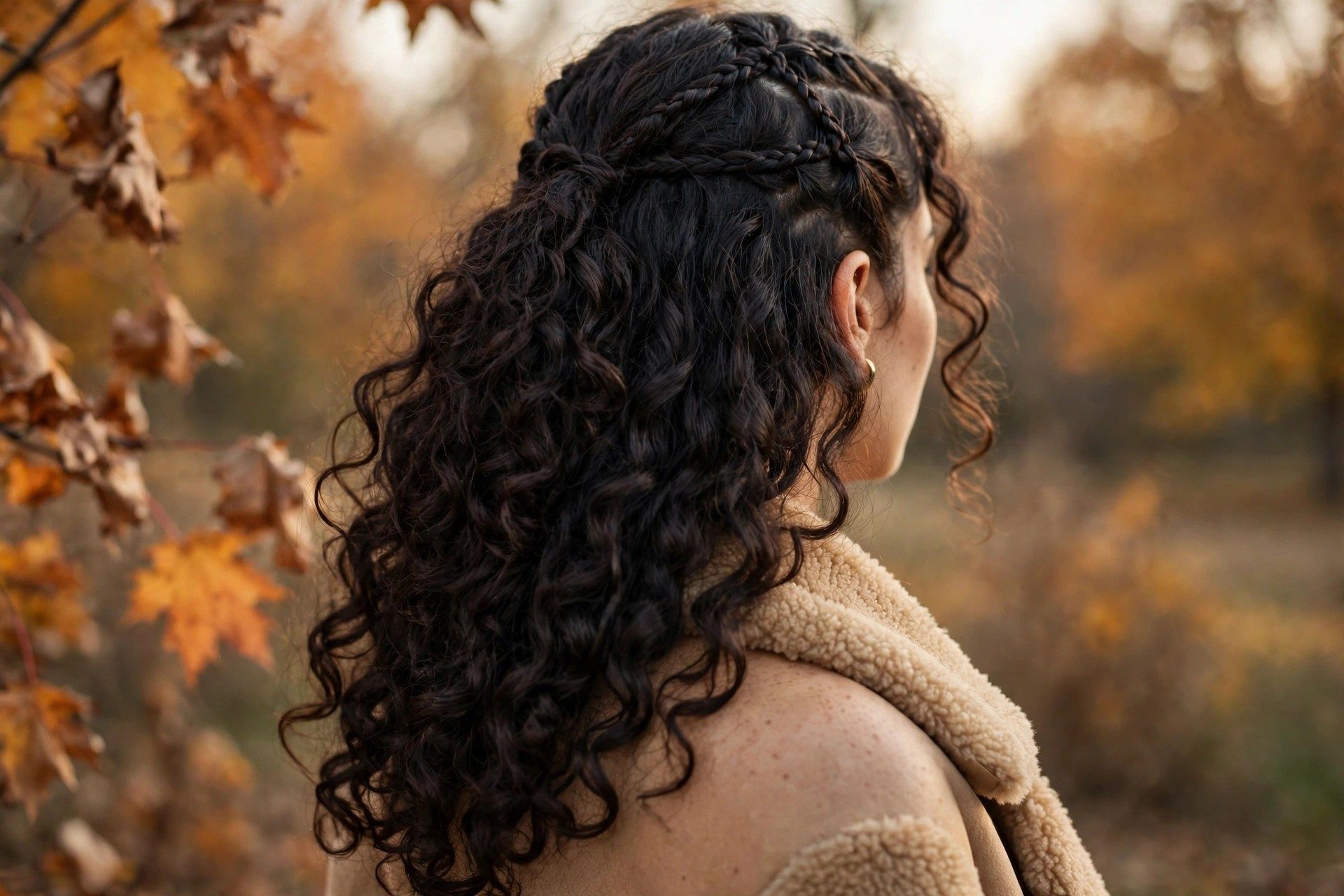
Rihanna just stepped out in a half-up, braided curly hairstyle for fall — and US searches for her hair transformation jumped 600% overnight. Here's the look, why it's landing now, and how to steal it.
Cosmic Void Hair Color: The Dark Shade Everyone's Googling
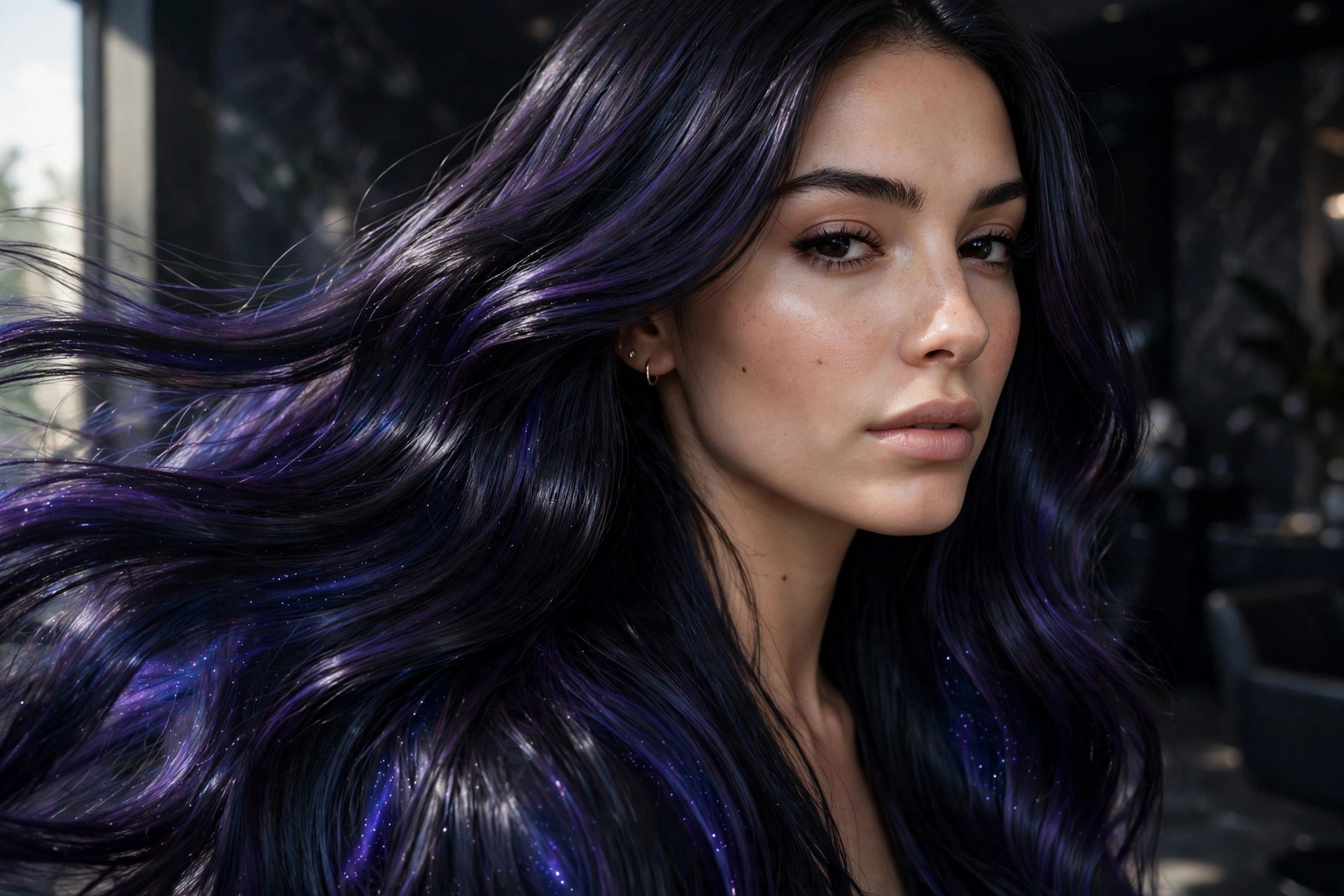
Cosmic void hair color is fall 2026's darkest new obsession: hair that looks almost black indoors, then flashes deep violet and midnight blue in the light. Here's what it is, who it suits, and how to try it before you commit.
Deep Side Part Hairstyle: The 5-Minute Fall 2026 Switch
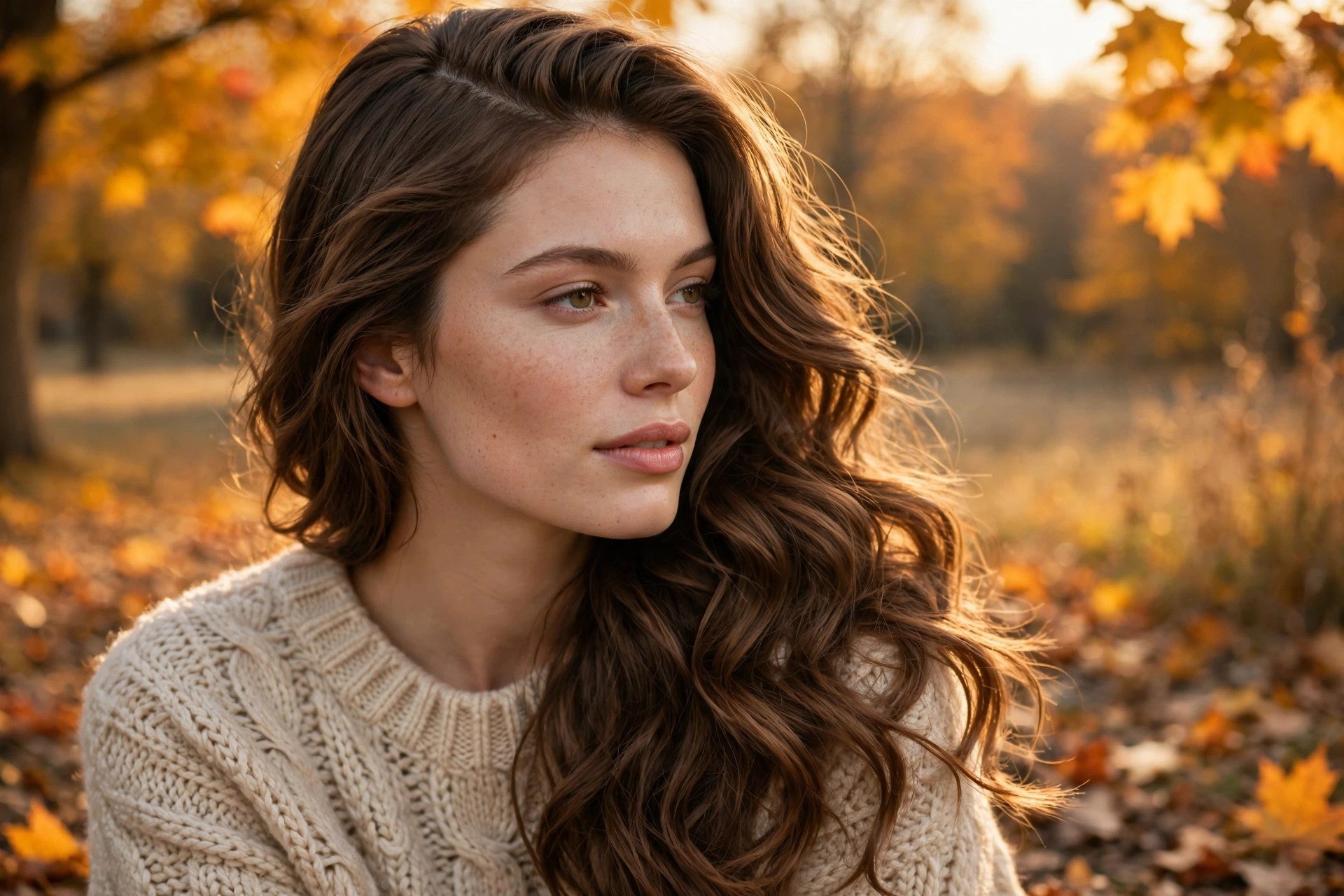
The deep side part hairstyle is fall 2026's easiest hair switch: instant volume, a softer face frame, and no haircut required. Here's how to find your side and style it without looking stiff.