Curly Butterfly Cut: 2026's Most-Booked Curly Haircut
What the Curly Butterfly Cut Actually Is
If you have curly hair, you've lived this cycle: you want a change, you book a cut, and you walk out with either a triangle or a style that only looks good for exactly one day. The curly butterfly cut is the rare viral haircut that actually breaks the pattern — and the numbers back it up. In Pinterest's first-ever Beauty Trend Report, published this October, searches for "curly butterfly cut" surged 464%, making it one of the fastest-rising hair searches on a platform with 640 million monthly users.
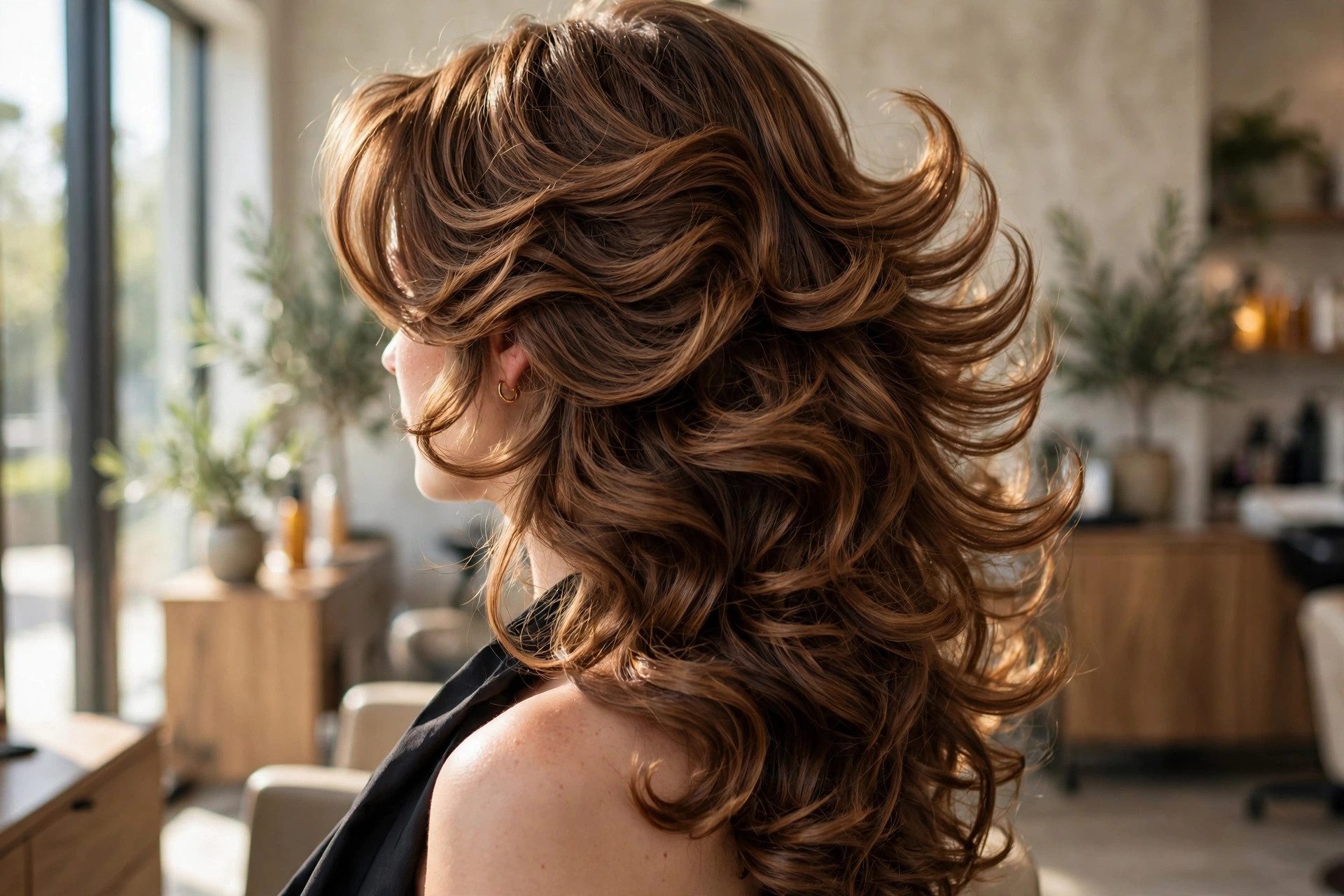
So what is it? The butterfly cut started as a '70s-inspired style: shorter, bouncy layers around the face that flick outward like wings, with long length left through the back. The curly version takes that blueprint and rebuilds it for texture. Instead of blunt layers cut wet and straight, it's usually done with a dry, curl-by-curl technique — the stylist cuts each curl clump individually so the shape works with your pattern instead of against it.
The result is the look curly girls have been chasing forever: volume at the crown, soft curtain pieces framing the face, and length that still reads long from behind. It photographs like a '90s supermodel blowout, except nobody had to spend forty minutes with a round brush to get there. Your curls are doing all the work; the cut just finally lets them.
Why the Curly Butterfly Cut Works So Well on Curls
Here's the honest truth about one-length curly cuts: gravity wins. The top goes flat, the ends puff out, and you get the dreaded triangle — wide at the bottom, sad at the roots. The curly butterfly cut solves this with simple physics. By staggering the layers, weight gets distributed instead of pooling at the ends, so curls higher up can actually spring. Root lift appears. The silhouette goes from pyramid to rounded and full.
It also fixes one of the sneakiest curly-hair frustrations: curls that refuse to clump. When every strand is the same length, curls compete and frizz out. With layers, each curl family sits at its own level, which means better definition with less product. We've seen this play out again and again — the same head of hair, the same products, and suddenly the curls look twice as defined just because the cut is doing half the job.
The range is wider than you'd think, too. This cut flatters loose 2C waves all the way through to tighter 3C and 4A coils. On waves it adds movement and that effortless, windswept body. On tighter curls it carves out shape and bounce while keeping shrinkage from eating all your length. The stylist just adjusts how the layers are placed and how much weight comes out.
Curly Butterfly Cut vs. Wolf Cut vs. Shag
Layered cuts are having a moment, so let's sort out the family tree — because these three get mixed up constantly, and booking the wrong one is a very expensive mistake.
The wolf cut is the edgiest of the bunch. Think choppy, piece-y texture, a shorter crown, and a hint of mullet energy. It's deliberate and a little wild — great if you want drama, less great if your office has a dress code. On curls it can look amazing, but it leans rocker, not romantic.
The shag sits in the middle: curtain bangs, lots of texture through the lengths, and that lived-in, cool-girl finish. Pinterest flagged "curly shag" searches up 109% in the same report, so it's clearly not going anywhere. It's more undone than the butterfly cut and usually comes with a fringe.
The butterfly cut is the polished one. The layers are softer and more blended, the face-framing pieces are the star of the show, and the overall effect is bouncy and feminine rather than choppy. No mullet energy, no heavy fringe required. If the wolf cut is a leather jacket, the butterfly cut is a cashmere sweater.
Our take? If you want volume and movement but still want to look put-together on a random Tuesday, the butterfly cut is the safest bet of the three. It's also the most forgiving grow-out — soft layers don't have an awkward phase the way a shaggy fringe does.
How to Ask Your Stylist for It (Without the Wrong Cut)
This is where most curly cuts go wrong — not in the chair, but in the consultation. The right words matter, because "layers" means ten different things to ten different stylists. Here's how to walk in prepared.
- Bring photos of YOUR curl type. A butterfly cut on 2B waves looks nothing like one on 4A coils. Save three to five reference photos of hair that matches your pattern and density, not just the vibe you like.
- Say "face-framing curtain layers" and "long layers through the back." Those two phrases describe the cut's architecture better than any trend name. Add "keep my overall length" if you're growing your hair out.
- Ask for a dry, curl-by-curl cut. This is the technique that makes the curly version work. Cutting curls dry, in their natural state, means the stylist can see exactly where each layer will fall. A wet cut on curly hair is a gamble — shrinkage changes everything.
- Pin down the shortest layer. Ask where it will sit once your hair shrinks up. Chin-length when stretched is a common sweet spot for the face-framing pieces, but your stylist should calibrate it to your pattern.
- Watch for red flags. A stylist who wants to thin the ends aggressively with thinning shears, or who says they can "just even it out" wet, may not be the right hands for this cut. There's no shame in booking a curly-hair specialist — this is exactly the kind of cut where expertise shows.
One more thing: book the consultation and the cut as separate appointments if you're unsure. A good stylist will respect that, and it's a lot cheaper than a correction cut.
Styling and Maintaining It at Home
Good news: this cut is lower-maintenance than it looks. The shape does a lot of the heavy lifting, which means your styling routine can actually get simpler.
Wash day: keep it classic — leave-in conditioner, a curl cream for definition, and a light gel or mousse to hold the shape. Because the layers already create separation and movement, you may find you need less product than before. Diffuse on medium heat, or air-dry if your pattern allows it; either way, flip your head upside down for the last few minutes to wake up the crown volume.
Refresh days: this is where the butterfly cut earns its keep. The layers mean second- and third-day hair still has shape instead of collapsing into one flat mass. A little water or steam to reactivate the curls, a dab of cream on the face-framing pieces, and you're out the door. Pineappling at night — loosely gathering hair on top of your head — keeps the top layers from getting crushed while you sleep.
Trims: every 10 to 12 weeks keeps the layers crisp. The nice part is that curly layers grow out gracefully — the shape is already soft, so there's no harsh line announcing that you're overdue. Just watch the face-framing pieces; once they get too long to sweep, the whole cut loses its signature flick.
Our Honest Verdict: Is It Worth Booking?
So, is the curly butterfly cut worth booking? We'll be straight with you: yes — with the right stylist. This is one of the few viral haircuts that genuinely flatters curly hair instead of fighting it. It solves the triangle problem, it grows out beautifully, and it looks good on the days you do nothing, which is most days if we're being honest.
Who should book it: anyone with waves or curls who's bored of one-length hair, anyone whose curls fall flat at the roots, and anyone who wants that bouncy, face-framing look without daily heat styling. It's especially good heading into the holidays, when you want hair that photographs well from every angle.
Who can skip it: if your hair is very fine and you're attached to maximum density at the ends, or if you genuinely love a blunt, graphic shape. No cut is for everyone, and that's fine.
Our verdict? The 464% search surge isn't hype — it's curly-haired people finally getting a trend built for them. Book the specialist, bring the photos, and enjoy the rare experience of a viral haircut that actually delivers.
Layers like these glow with amber brunette hair, the warm brown taking over salons this fall.
Frequently asked questions
What exactly is a curly butterfly cut?
A curly butterfly cut is a layered haircut adapted for curly and wavy hair: shorter, face-framing layers on top that sweep outward like wings, with longer layers through the back that keep your length. The layers are cut to work with your curl pattern, usually with a dry, curl-by-curl technique, so the shape falls softly instead of turning into a triangle.
Does it work for wavy hair, or only tight curls?
Yes — waves get some of the best results from this cut. On looser 2A to 2C waves, the layers add movement and body that one-length hair just doesn't have, and the face-framing pieces give that effortless, windswept look without daily heat styling. Your stylist may keep the layers a little longer and more blended than they would for tighter curls.
Will the layers make my hair look thinner?
It's one of the biggest fears with any layered cut, and it's fair. The answer is no, as long as the layers are done right — a good curly butterfly cut removes weight strategically so curls spring up, which reads as more volume, not less. If a stylist thins out the ends aggressively or over-layers, that's a technique problem, not a haircut problem, which is why photos of your own curl type matter.
How do I ask my stylist for a curly butterfly cut?
Show your stylist photos of the cut on hair that matches your curl pattern, and use the phrases: face-framing curtain layers, long layers through the back, keep my overall length, and a dry curl-by-curl cut. Ask where the shortest layer will fall once your hair shrinks up — chin-length stretched is a common sweet spot. A curly-hair specialist is worth seeking out for this one.
How often do curly butterfly cuts need trims?
Every 10 to 12 weeks is the sweet spot for most curl patterns. Curly layers grow out more gracefully than blunt cuts because the shape is already soft, so you can stretch it if you're growing your hair out — just watch for the face-framing pieces getting long enough to lose their sweep.
You may also like
Rihanna's New Curly Hairstyle Is Fall's Dreamiest Look
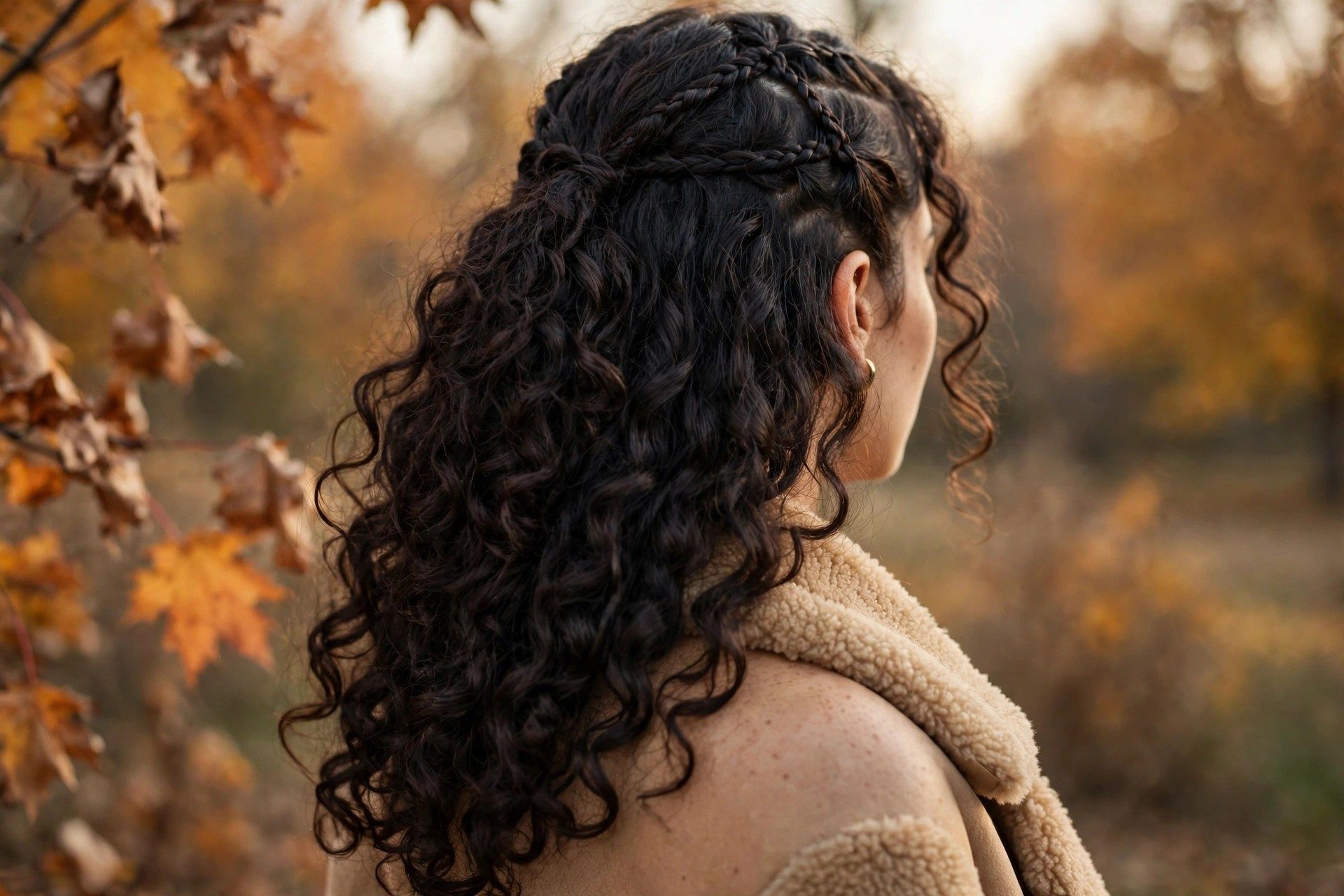
Rihanna just stepped out in a half-up, braided curly hairstyle for fall — and US searches for her hair transformation jumped 600% overnight. Here's the look, why it's landing now, and how to steal it.
Cosmic Void Hair Color: The Dark Shade Everyone's Googling
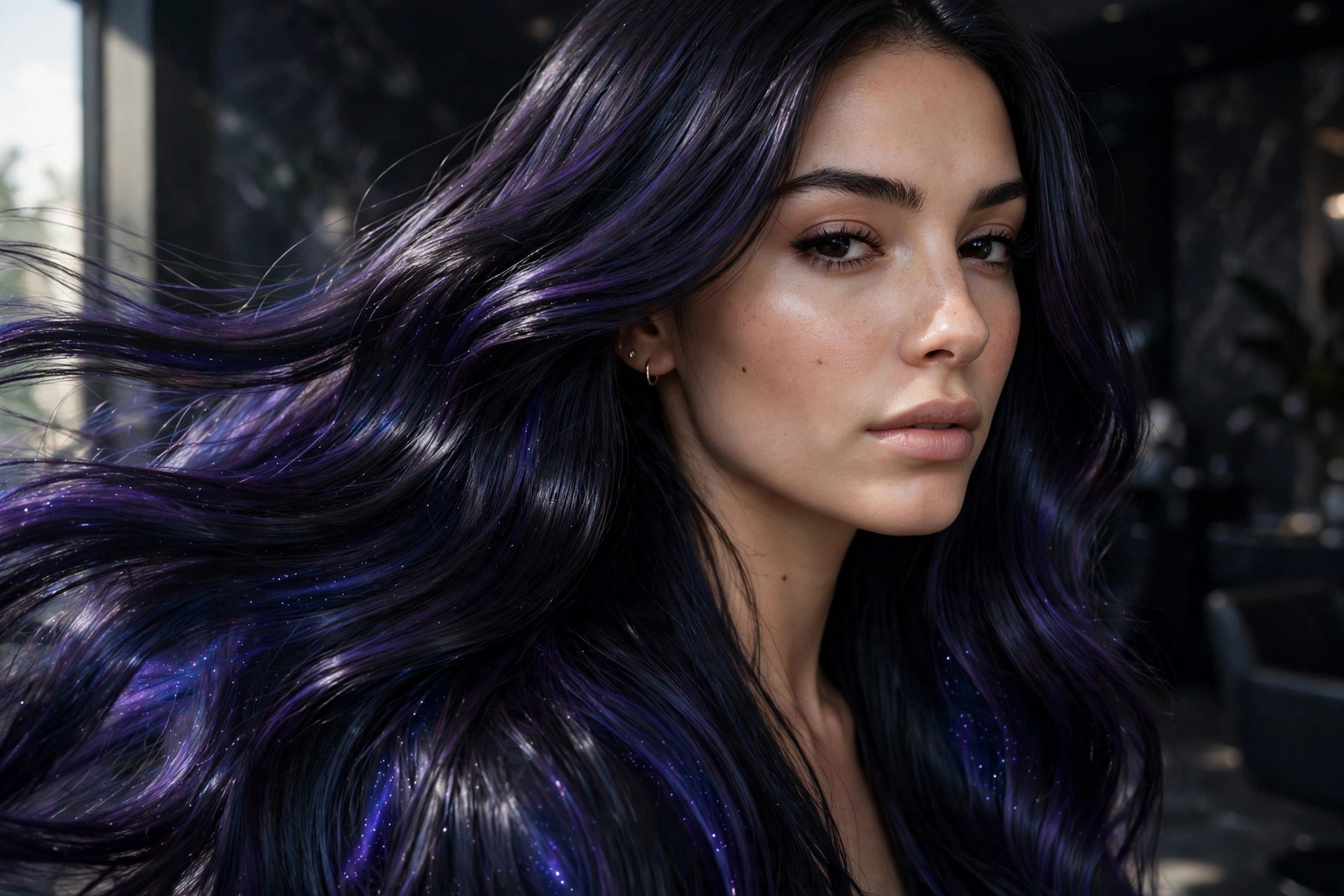
Cosmic void hair color is fall 2026's darkest new obsession: hair that looks almost black indoors, then flashes deep violet and midnight blue in the light. Here's what it is, who it suits, and how to try it before you commit.
Deep Side Part Hairstyle: The 5-Minute Fall 2026 Switch
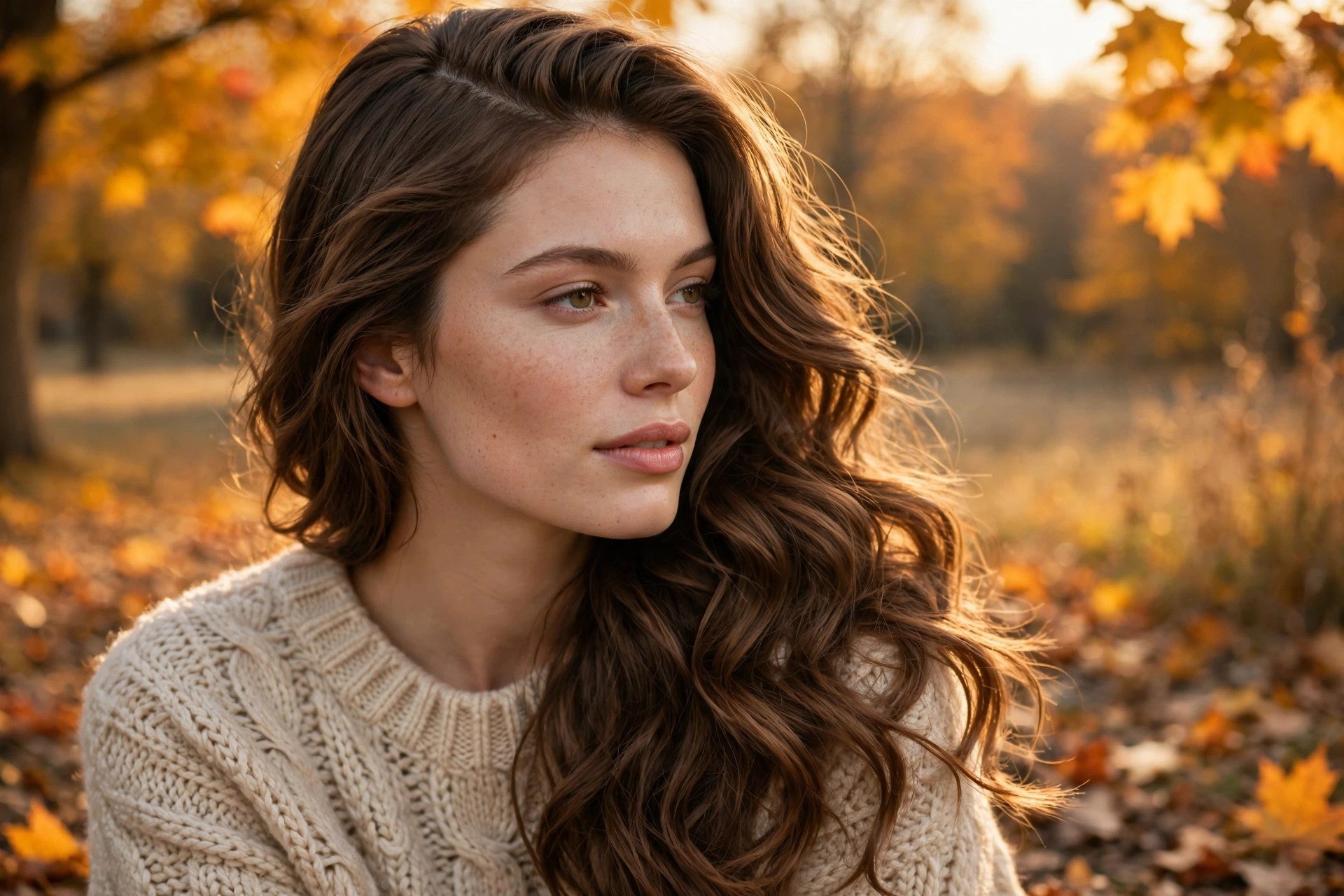
The deep side part hairstyle is fall 2026's easiest hair switch: instant volume, a softer face frame, and no haircut required. Here's how to find your side and style it without looking stiff.