Cloud Skin Makeup: Fall 2026's Soft-Focus Trend
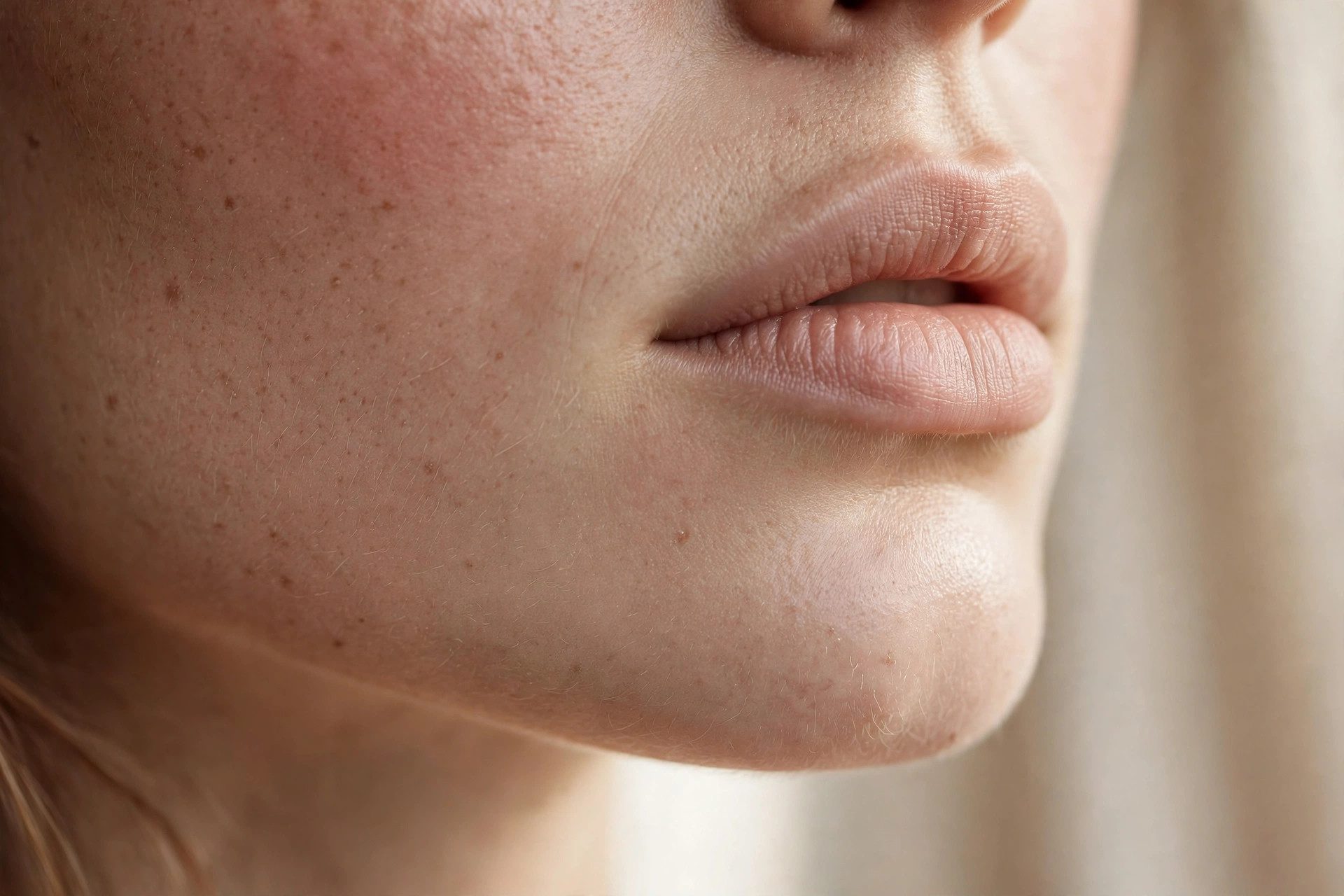
Meet Cloud Skin, Fall 2026's Complexion Reset
If your feed has been glowing differently lately, you're not imagining it. The wet, reflective shine that dominated the last few years is fading — and in its place is something softer, quieter, and honestly more wearable: cloud skin.
Cloud skin is the soft-focus complexion finish Pinterest flagged in its first Beauty Trend Report this October, with searches for the term up 153%. Last month's London Fashion Week runways made the same bet: models walked out with skin that looked diffused and velvety, as if seen through a gentle filter rather than under a spotlight. Not matte, not dewy — somewhere in between, like light moving through a cloud.
Here's the honest appeal. Glass skin was beautiful in a selfie and brutal in real life — shiny in a meeting, patchy by afternoon, and punishing on textured or oily skin. Cloud skin is the grown-up answer: blurred pores, muted shine, lightweight layers, and your actual skin texture showing through — just slightly softened. Polished without being perfect, and that's exactly the point.
The key detail: this isn't a satin finish with a new name. It's a technique — muted shine in the T-zone, glow on the high points, blurring instead of masking.
Cloud Skin vs Glass Skin vs Matte: The Real Difference
The beauty world has been cycling through skin finishes for years, and each one is a reaction to the last. Here's where cloud skin sits in the lineup.
Glass skin is all about maximum dew: layered hydration, liquid highlight, a reflective, almost wet surface. Gorgeous in golden hour, tricky everywhere else. It emphasizes every pore, slides on oily skin, and demands constant maintenance.
Classic matte is the opposite extreme: full coverage, powdered down, zero shine. It's reliable for oily skin but can look flat and heavy, and it settles into fine lines faster than anything else. On dry skin it's honestly a rough watch by 3pm.
Cloud skin takes the best of both and drops the punishments. Like glass skin, it keeps real texture visible and lets skin look alive. Like matte, it controls shine and actually stays put. The finish is plush and softly blurred — radiant on the high points of the face, diffused through the T-zone. The effect is a real-life filter, but the kind where you still look like yourself.
The philosophy shift is the interesting part. For years the goal was either 'look like glass' or 'look like you have no skin at all'. Cloud skin is the first major complexion trend in a while that says your texture is fine — let's just soften the lighting. Having tested all three on real, imperfect skin, that's a trend worth having.
How to Get Cloud Skin in Five Steps
Okay, the part you're here for. Cloud skin is mostly a technique, not a shopping list — and it takes about five minutes once you know the moves.
Step 1: Prep like you mean it. This is the non-negotiable part. Cloud skin exposes your base layer, so skin needs to be genuinely hydrated — a good moisturizer worked in properly, not just slapped on. No primer can fake the plumpness a consistent moisturizing routine builds over weeks. A hydrating primer is optional, not essential.
Step 2: Press, don't buff. Use a lightweight soft-matte foundation or tinted moisturizer and press it into the skin with your fingers or a damp sponge — never buff it in circles. Buffing builds coverage and friction; pressing melts the product into skin so it reads as your texture, slightly softened. Start in the center of the face and work outward.
Step 3: Micro-correct. Instead of a full-coverage layer, pinpoint concealer only where you actually need it — under the eyes, around the nose, on blemishes. Dot it on, press it in, leave everything else alone. This is where backstage artists cheat the whole look: targeted coverage with visible skin everywhere else reads as naturally perfect.
Step 4: Powder the T-zone only. Press a finely milled blurring powder through the forehead, nose and chin — anywhere you tend to shine. Then stop; do not powder the cheeks or temples. This selective mattifying is the entire cloud effect.
Step 5: Melt cream blush over the top. Cream blush pressed into the apples of the cheeks and swept slightly upward is the classic cloud skin pairing — it looks like the flush comes from inside. Dab a bit on the lips too and the whole face reads cohesive and effortless.
The Products That Actually Do the Work
Cloud skin asks very little of your product drawer — but the few products you use have to be the right textures.
Your non-negotiables: a genuinely good moisturizer (the real foundation of this look), a lightweight soft-matte skin tint or foundation that feels breathable rather than heavy, a concealer one shade close to your skin for pinpoint work, and a finely milled blurring or translucent powder. Add one cream blush you love — it does double duty on cheeks and lips — and you're fully equipped.
What to look for: 'breathable', 'soft-matte', 'skin-like' and 'blurring' are the label words that deliver. Hybrid formulas — skin tints with skincare benefits, serum-infused foundations — were basically built for this. Avoid full-coverage matte foundations and anything that promises a 'glass' or 'glazed' finish; you're working against both extremes here.
What you can skip: liquid highlighter, for a start. The trend's glow comes from hydration underneath, not shine on top. Heavy baking, contour kits, and matte setting sprays that flatten everything are also out — they fight the softness this look depends on.
A note on budget: you genuinely don't need prestige formulas for this. The technique — pressing instead of buffing, powdering only the T-zone — does more work than any price tag. Application mattered far more than the bottle in our testing.
Four Mistakes That Ruin Cloud Skin
Cloud skin looks easy, which is exactly why people get it wrong. Here's what actually wrecks the effect.
Mistake 1: Powder everywhere. Setting the whole face is the single fastest way to kill cloud skin. Powdered cheeks lose the soft glow and you're back at classic matte — restrict powder to the T-zone.
Mistake 2: Too much coverage. If your foundation is doing the heavy lifting, you've left the trend. Cloud skin is a sheer, pressed-in base plus pinpoint concealing. The moment it starts reading 'full glam', back off — either switch to a tint or use less product.
Mistake 3: Chasing shine on top. Adding a dewy setting spray or liquid highlighter over a cloud skin base doesn't enhance it; it just turns it back into glass skin with extra steps. If you want glow, it should come from hydrated skin underneath and a tiny bit of cream product on the high points — not sparkle.
Mistake 4: Skipping the prep. Matte-leaning finishes are honest about your skin. Dehydrated skin under a soft-matte base looks chalky, not cloudy. If your moisturizer isn't pulling its weight, no technique saves the look — hydrate properly, give it a few minutes to sink in, and the whole routine gets easier.
Our Honest Verdict: Worth the Hype?
We wore this base for two weeks straight — the full routine, in daylight, on a real schedule — and here's the verdict.
What we love: it wears better than almost any complexion trend we've tested this year. Touch-ups take thirty seconds — blot the T-zone, press a little powder back in, done. It photographs beautifully because it behaves like good lighting instead of good shine, and it works in a meeting, on a video call and in the mirror under bad bathroom light. On textured and mature skin it's genuinely flattering in a way glass skin never was, because blurring is kinder than reflecting.
What surprised us: because the base is inherently soft, bolder features suddenly work with almost no effort — a blurred lip or a strong blush pairs perfectly, since the skin isn't competing for attention.
The honest caveats: if you love a full-coverage, beat face, this will feel underdone — it's a softness trend, full stop. Very oily skin will need midday maintenance, and under harsh flash it can look slightly flat.
Final take: this one's a keeper. Cloud skin is the rare trend that makes your routine simpler, your product drawer smaller, and your skin look better at 6pm than most bases look at 10am. We kept wearing it after testing ended — which, if you've read our reviews before, is the highest compliment we give.
Frequently asked questions
What exactly is cloud skin makeup?
Cloud skin is a complexion finish, not a product: a soft-focus, lightly blurred base that sits between dewy and matte. Skin looks even and diffused, with real texture showing through rather than being buried under coverage. It emerged as the fall 2026 answer to years of ultra-dewy 'glass skin', trading shine for a plush, velvety, lit-from-within softness.
How is cloud skin different from glass skin?
The difference is coverage philosophy. Glass skin piles on hydration and shine for a wet, reflective look — flattering in still photos but unforgiving in motion and on oily or textured skin. Cloud skin uses lightweight, breathable layers: muted shine in the T-zone, a whisper of glow on the high points, and blurring rather than masking. It photographs softer and holds up longer on a normal day.
Does cloud skin work on textured or mature skin?
Yes — arguably more than glass skin. The diffused finish is forgiving: blurring powders and pressed-in tinted formulas minimize the emphasis on pores and fine lines without settling into them. The key is prep (well-moisturized skin) and pressing product in with fingers or a damp sponge instead of buffing, which keeps everything sheer and flexible.
What products do I need for cloud skin?
You need four things: good moisturizer, a lightweight soft-matte skin tint or foundation, concealer for pinpoint coverage, and a finely milled blurring powder used only in the T-zone. A cream blush doubles as lip color for the cohesive finish this trend loves. Everything else is your normal routine — cloud skin is a technique shift, not a shopping spree.
How long does cloud skin makeup last?
With proper prep and a breathable formula, a full day — most soft-matte skin tints are built for 8+ hours. Because the look is inherently lived-in rather than locked down, touch-ups are easy: blot the T-zone and press a little powder back in. There's no fragile highlighter to preserve, which is half the point of the trend.
You may also like
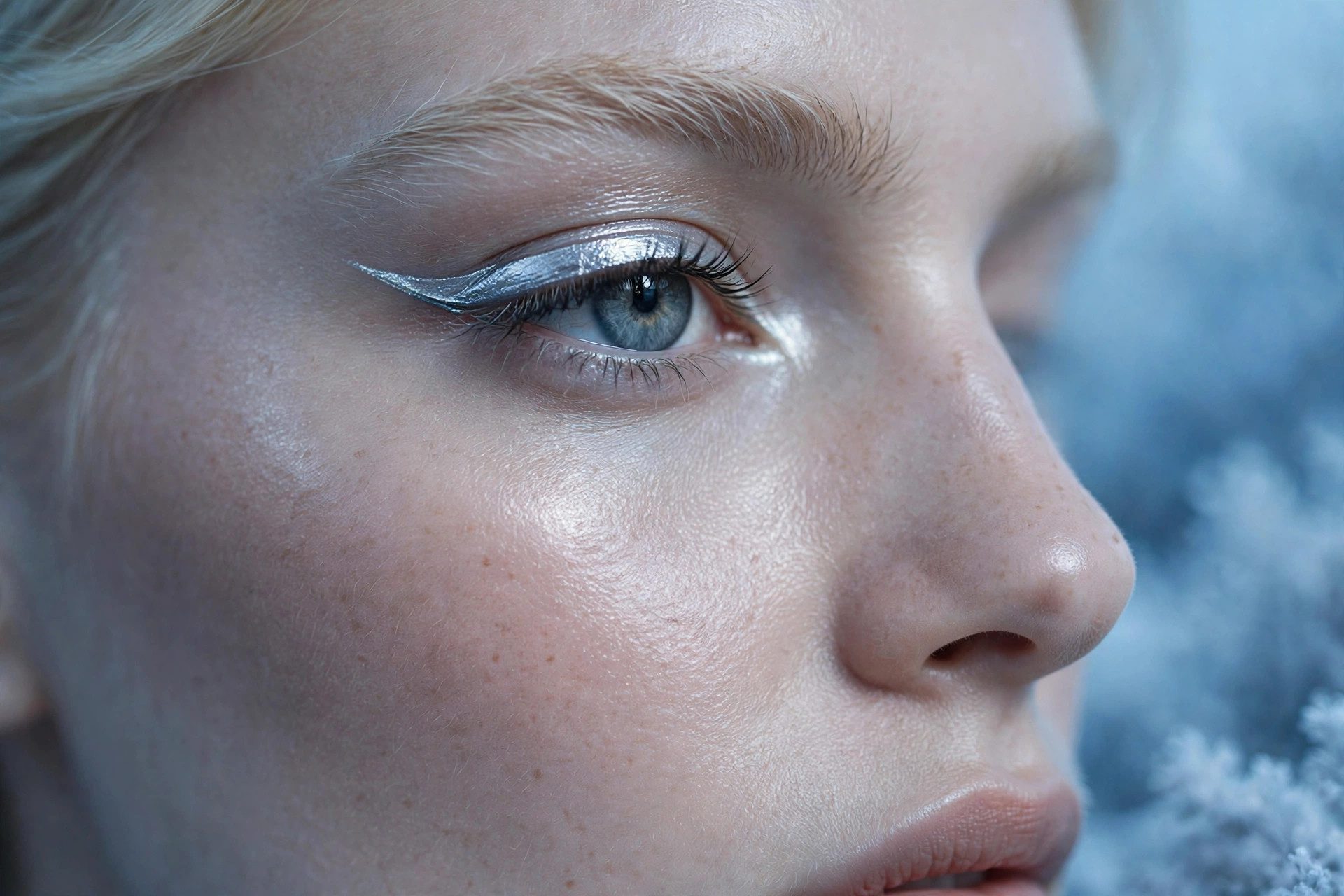
Silver Eyeliner Makeup: The Icy Swap for Black Liner
Silver eyeliner makeup is fall 2026's coolest swap: one metallic line that catches the light and wakes up your whole face. Here's how to wear it, from a soft daytime flick to a full chrome wing.
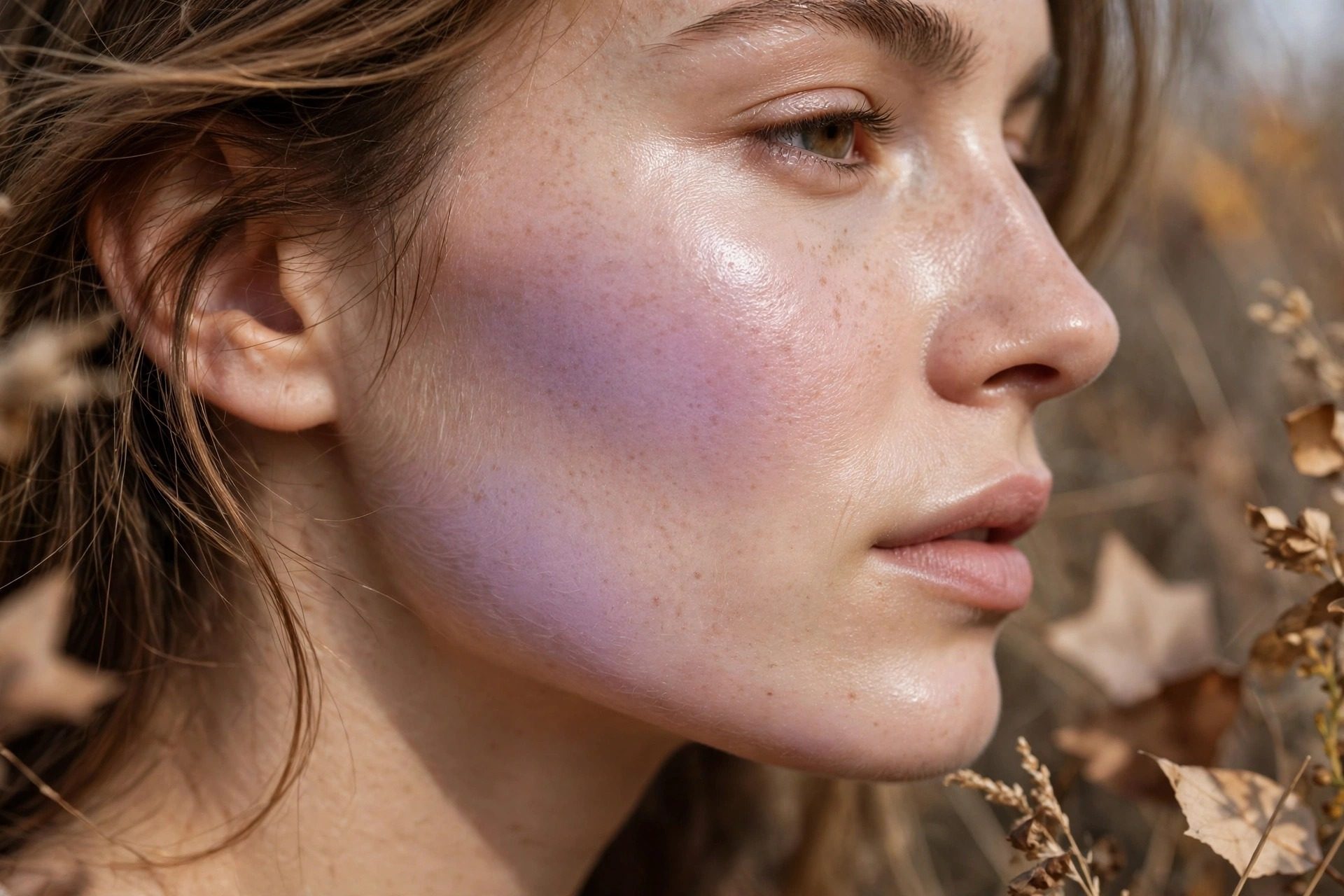
Purple Blush: The Fall Makeup Trend Worth Trying
Purple blush sounds wild in the pan and surprisingly soft on the skin. Here is how to pick your shade, place it right, and wear fall 2026's cool-toned flush without looking purple.
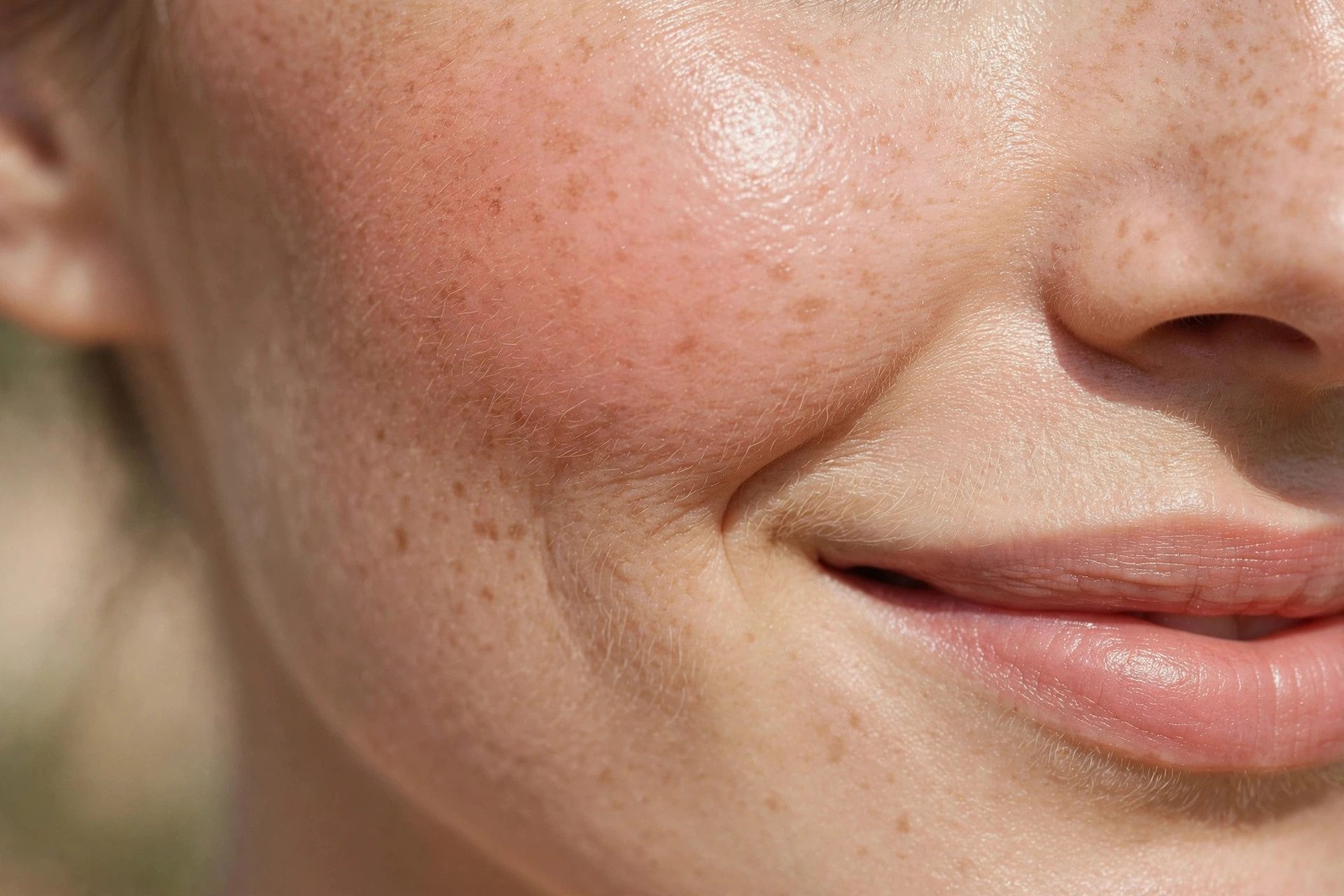
Peach Blush Makeup: The Flush Everyone's Wearing
Peach blush makeup is fall 2026's softest flush — warm, sunny color that wakes up your whole face without looking like you tried hard. Here's how to pick your shade and place it right.