Blurring Balm: Your Skin, but With a Filter On
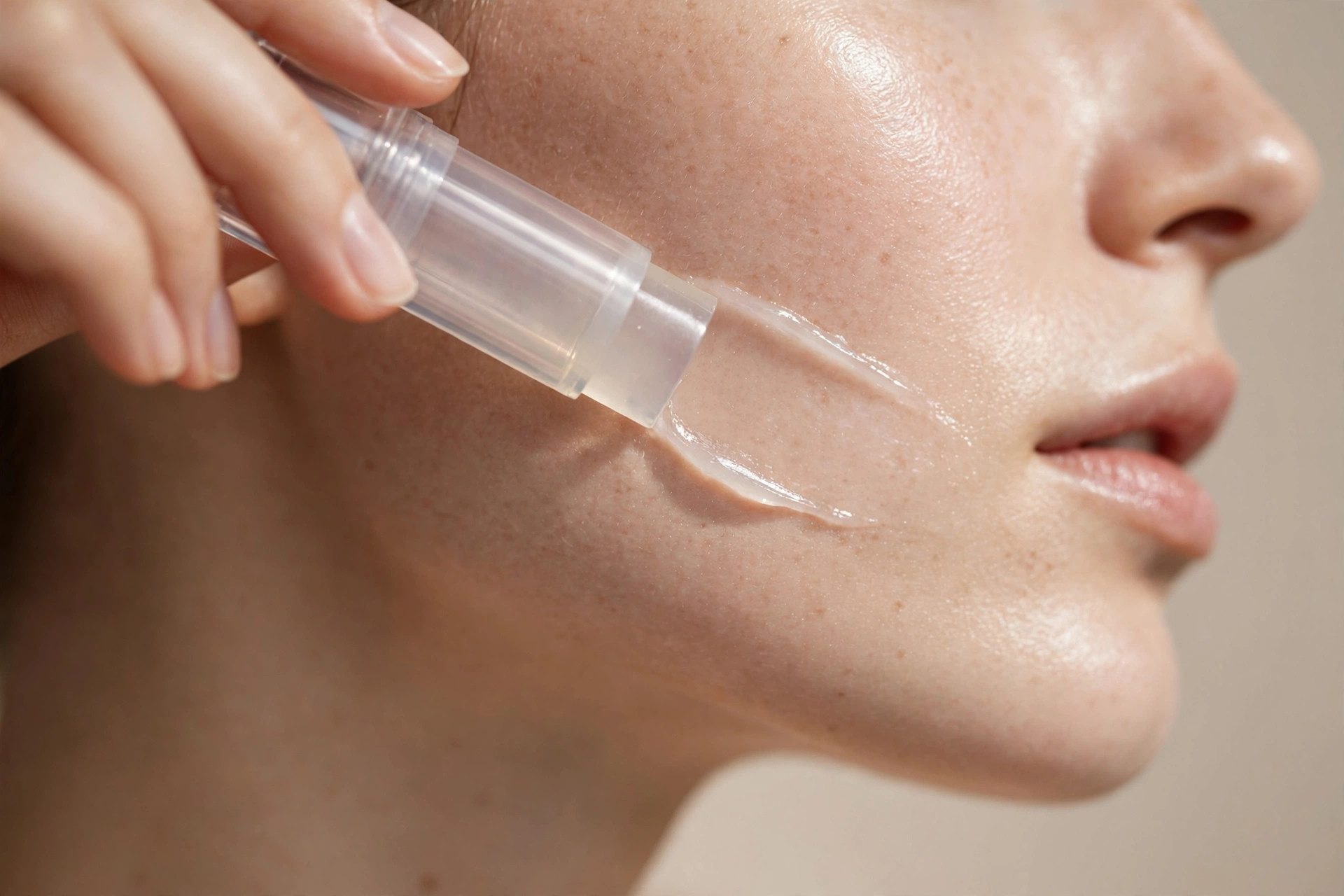
What Is a Blurring Balm, Actually?
You know that moment when you catch your reflection in harsh bathroom light and your pores look like they've been magnified? Blurring balm was made for exactly that. It's the complexion product going quietly viral this fall — a solid, translucent balm that softens the look of pores, fine lines and uneven texture, like a soft-focus filter you can actually wear. Search trackers have the term climbing roughly 238% year over year, and the product that kicked the whole thing off — Danessa Myricks' Blurring Balm Powder — is pulling tens of thousands of monthly searches on its own.
So what is it, physically? Think lip balm, but for your whole face. Most versions come as a twist-up stick or a small pot of waxy, nearly colorless product. You swipe or press it onto the spots where texture shows up most — the sides of the nose, the cheeks, the forehead — and it leaves behind a smooth, velvety finish that catches light differently than bare skin. No tint, no coverage, no cakey layer sitting on top of you.
The magic is optics, not pigment. Light-diffusing powders like silica scatter incoming light instead of letting it pool in every pore and dip, so skin looks even without looking made up. Some formulas add niacinamide or oil-absorbing minerals, which is why they also keep midday shine in check. And because there's no color involved, one version works for everybody — quietly refreshing in an era of fifty-shade foundation ranges.
Here's the part people get wrong: a blurring balm will not cover a dark spot. It won't hide redness or erase a pimple mark. What it does — and this is a genuine "oh" moment the first time you try it — is make the skin around those things look so much smoother that everything reads calmer. Texture product, not color product. Keep that straight and you'll never be disappointed by it.
Blurring Balm vs Primer vs Foundation
This is the question in every comment section, so let's settle it. Primer, foundation and blurring balm are three different jobs wearing similar-looking packaging.
Primer is the backstage crew. It preps skin, grips your makeup and keeps everything in place longer. Most primers melt into the skin and do their best work invisibly — you'd never wear one alone and call it a day.
Foundation is about color. It evens out tone, covers redness and spots, and gives you coverage in whatever finish you like. It does almost nothing for texture beyond what its finish can fake.
Blurring balm is the opposite: all texture, no color. You absolutely can wear it alone — plenty of people do on no-makeup days — and you can layer it under foundation when you want an extra-smooth base. Think of it this way: primer helps your makeup last, foundation changes what color your skin looks, and blurring balm changes how your skin's surface reads. Three different problems, three different products.
Can all three live in one routine? Honestly, yes, but that's a lot of layers. Most people land on two: balm plus foundation, or balm plus nothing. If you're a primer loyalist, try the balm on your texture zones and keep primer everywhere else — they don't fight, they just don't need to overlap.
How to Apply It Without the Pilling
Application is where people mess this up and then blame the product. A blurring balm is a waxy solid, which means technique matters more than with a liquid primer. Get these four things right and it behaves beautifully.
- Start with moisturized skin. The balm glides over a hydrated base and grabs onto dry patches. Give your moisturizer a full minute to sink in — two if your skin runs dry.
- Thin swipe, then pat — don't rub. One light pass over each zone is plenty. Press it in with your fingertips or a damp sponge. Rubbing back and forth is what causes pilling, every single time.
- Target the texture zones. Sides of the nose, inner cheeks, forehead, chin — wherever pores and lines actually show. You don't need it on your whole face, and using less keeps it looking like skin.
- Let it set before layering. Give it 30 to 60 seconds, then go in with foundation or tinted moisturizer using the same pressing motion. Dragging a brush across a fresh balm layer will lift it right off.
A quick note for oily skin: this is your product. Oil-absorbing formulas keep shine down for hours, and many people find they can skip powder entirely on balm days. Dry skin? It can still work — just be honest with yourself. If you're flaky, the balm will spotlight the flakes. Exfoliate gently, moisturize well, or save it for a better skin day.
One more thing: a little goes a long way. The biggest rookie mistake is swiping it on like deodorant. Two light passes beat one heavy one, always.
Who Should Try It (and Who Should Skip It)
Not every trend deserves your money, so here's the honest breakdown.
Try it if your pores bother you in photos more than in the mirror — classic blurring balm candidate. If you have oily or combination skin and hate re-powdering by noon. If you love the no-makeup look but want to seem a touch more polished. If your makeup always settles into your pores by 3pm — the balm fills that micro-texture before your base goes anywhere near it.
Skip it if what you actually want is coverage. A blurring balm will not touch pigmentation, melasma, active-breakout redness or dark circles — that's foundation and concealer's job, and no amount of blur changes that. Also skip if your skin is very dry or flaky right now; the waxy finish can cling and make texture more obvious, not less.
The middle ground: try it as a spot treatment first. Plenty of people who don't love it all over end up obsessed with it just on the nose and inner cheeks. That's a perfectly valid way to use it — the product doesn't know or care how much real estate it covers.
Our Honest Verdict
We've tested a lot of "filter in a jar" promises over the years, and most of them are marketing with extra steps. This one is different. Blurring balm does exactly one thing — softens the appearance of texture — and it does it well enough that we've caught ourselves skipping foundation on days we never would have before. The effect is subtle in the mirror and honestly kind of startling in photos, which is the reverse of how most makeup behaves.
Is it essential? No. Nothing in makeup is. But if visible pores or midday shine are the things that bug you most about your skin, a blurring balm solves your actual problem instead of a different one wearing a fancier name. That's rare enough to be worth the hype.
Our take: start with a stick format, use half as much as you think you need, and give it a week. That 238% search surge says a lot of people already did — and stayed.
Frequently asked questions
What does blurring balm actually do?
A blurring balm softens the appearance of pores, fine lines and uneven texture by scattering light across the skin's surface — like a soft-focus filter in real life. It's a translucent, waxy solid you can wear alone or under makeup. It adds no color and no coverage; it's purely a texture product.
Is blurring balm the same as primer?
No. A primer preps your skin and helps makeup grip and last longer — it's the backstage crew, mostly invisible. A blurring balm is a visible finish that smooths texture, and you can absolutely wear it on its own. They solve different problems, though they layer fine together.
Can I wear blurring balm without foundation?
Yes — that's one of its best uses. On moisturized skin, a thin layer gives you a polished no-makeup look with noticeably smoother texture. Lots of people with oily or combination skin wear it solo on casual days instead of reaching for powder or foundation.
Does blurring balm work on dry skin?
It can work, but dry skin needs real prep: moisturize well and give it a full minute or two to absorb. On dry or flaky patches the waxy texture can cling and highlight the flakes instead of blurring them. If your skin is having a flaky day, save the balm for another one.
Will blurring balm cover acne marks or dark spots?
No. It won't hide pigmentation, dark spots, active redness or dark circles — that needs color coverage from foundation or concealer. The balm handles smoothness; your base handles color. Use both where you need them.
You may also like
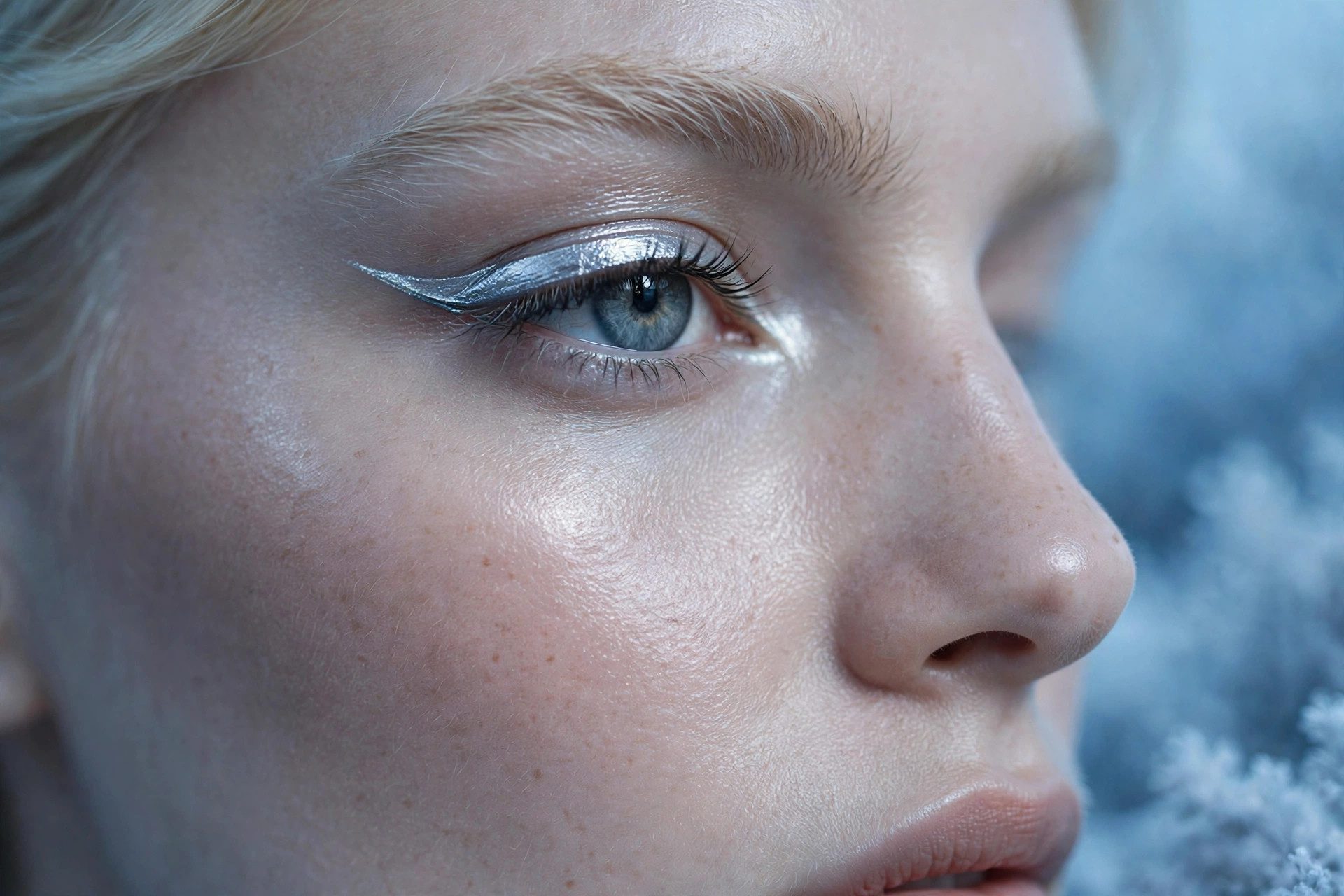
Silver Eyeliner Makeup: The Icy Swap for Black Liner
Silver eyeliner makeup is fall 2026's coolest swap: one metallic line that catches the light and wakes up your whole face. Here's how to wear it, from a soft daytime flick to a full chrome wing.
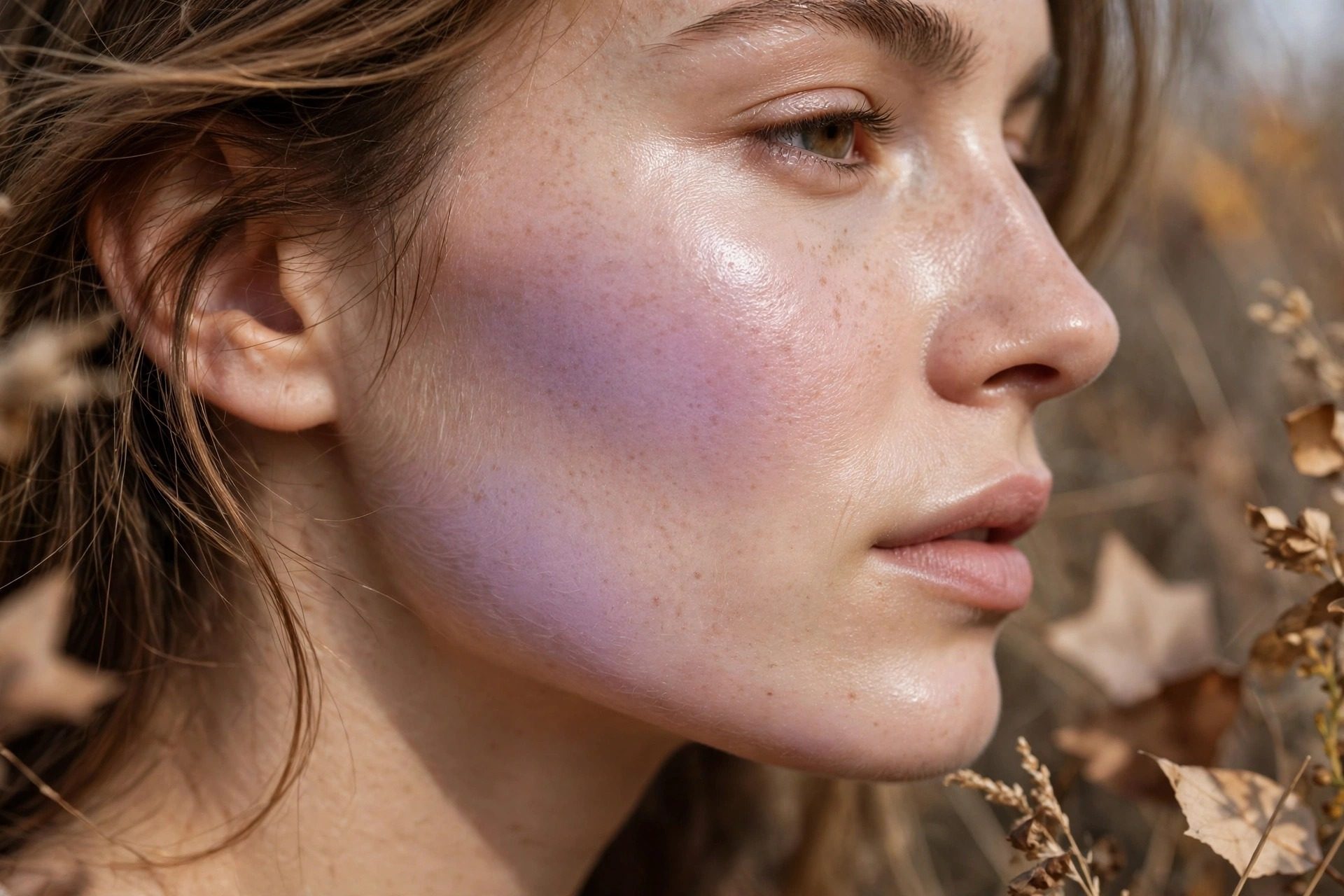
Purple Blush: The Fall Makeup Trend Worth Trying
Purple blush sounds wild in the pan and surprisingly soft on the skin. Here is how to pick your shade, place it right, and wear fall 2026's cool-toned flush without looking purple.
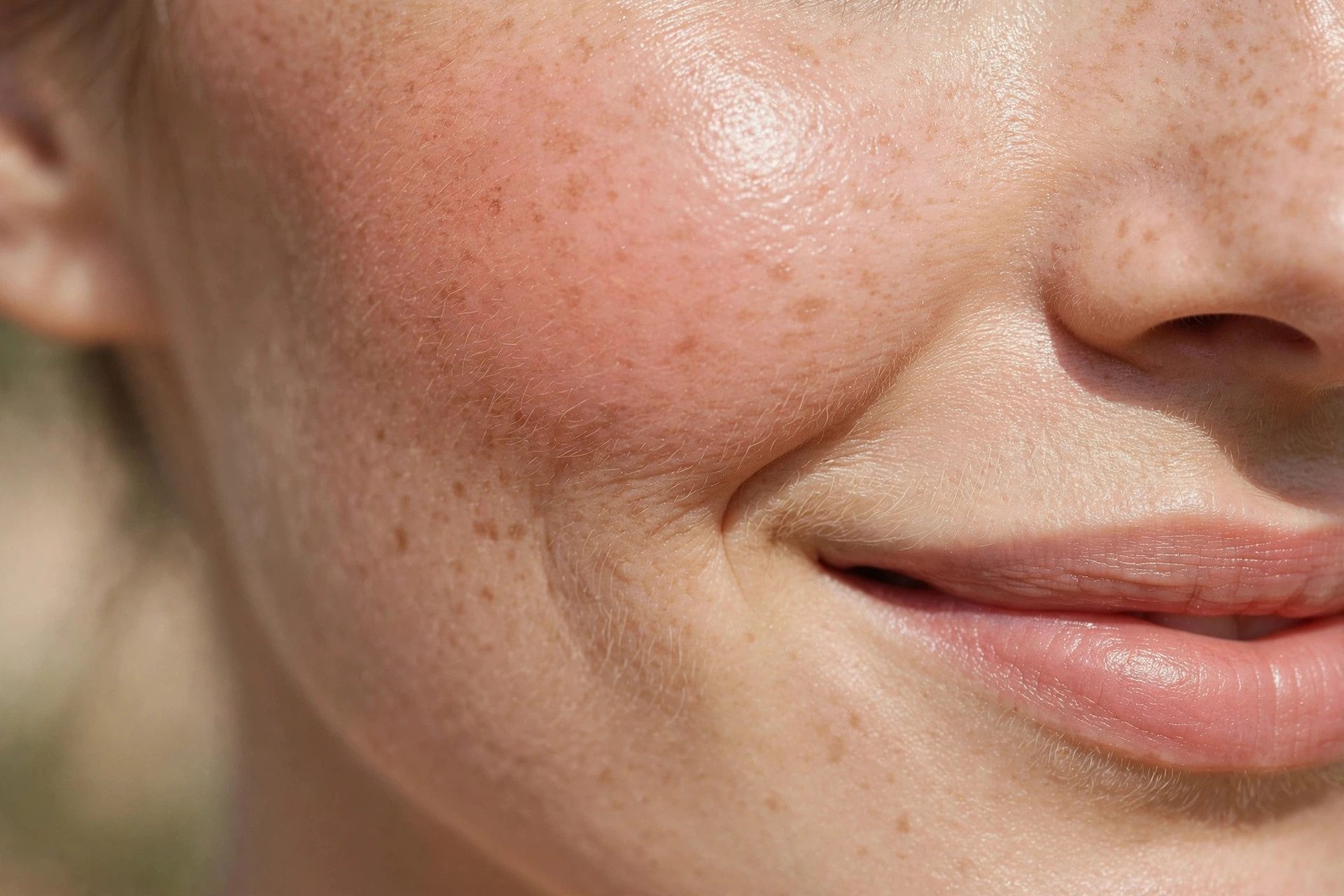
Peach Blush Makeup: The Flush Everyone's Wearing
Peach blush makeup is fall 2026's softest flush — warm, sunny color that wakes up your whole face without looking like you tried hard. Here's how to pick your shade and place it right.