Japanese Manicure: The Glossy Nails Trend With No Polish
What a Japanese Manicure Actually Is
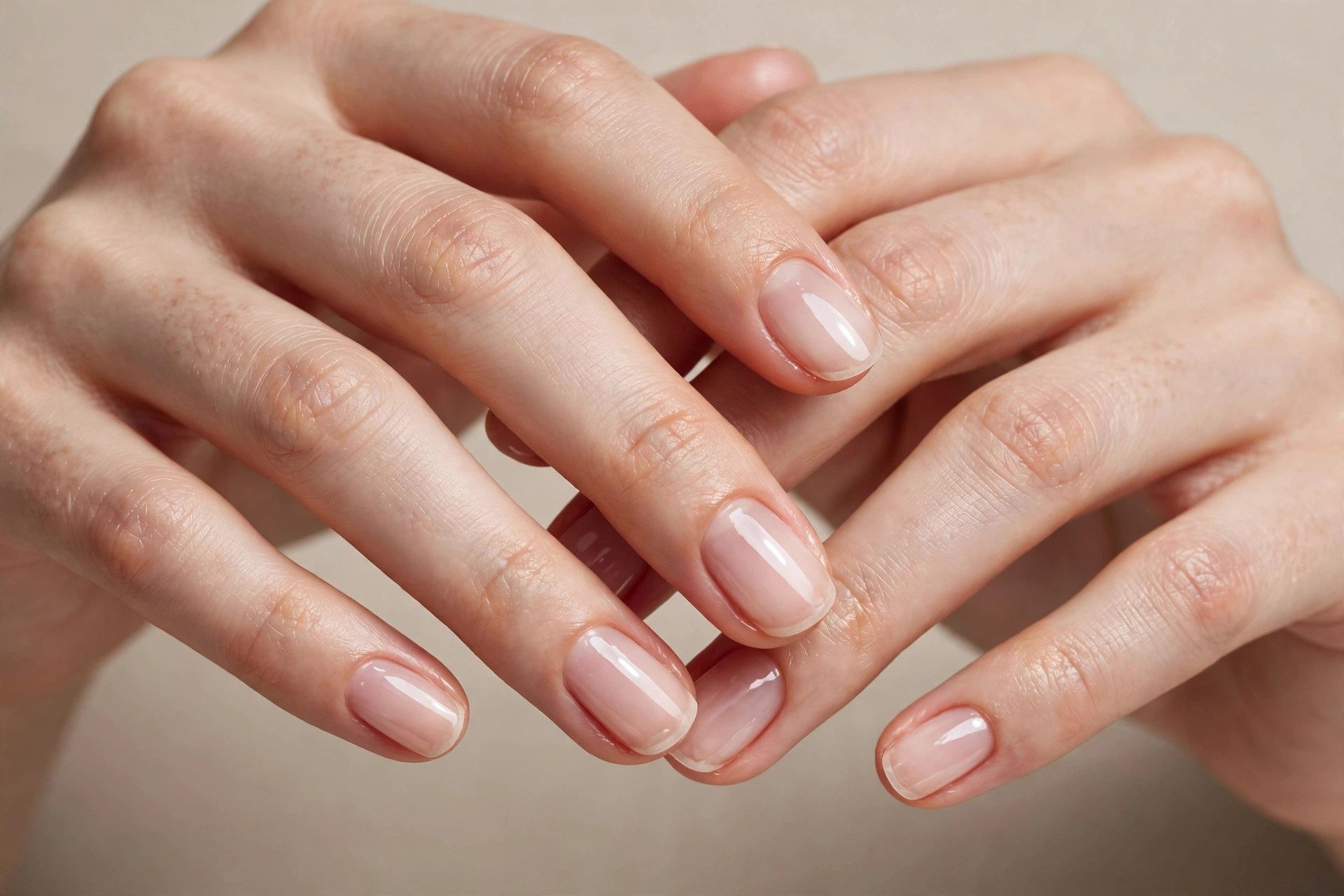
Every so often a nail trend comes along that asks you to buy nothing but a buffer and use what you've already got. The Japanese manicure is having exactly that kind of moment — and we're into it. The concept is simple: instead of painting your nails, you treat them. A mineral-rich paste gets buffed into the nail plate, a fine powder seals it all in, and you walk out with bare nails that shine like glass.
If you've been on TikTok lately, you've probably seen the glow before you knew the name. The Japanese manicure is currently breaking out on the platform — searches up roughly 3.5x in recent weeks, according to TikTok trend trackers — and the clips explain the appeal better than any caption could. Thirty seconds of buffing, and a dull, ridge-y nail turns into something that looks like a fresh clear coat. No UV lamp, no dry time, no color. Just shine.
The technique itself isn't new. It's the J-beauty version of the classic European paste-and-powder manicure, and the P.Shine kit that popularized the at-home ritual has been around for years. What's new is the timing. After two years of maximalist nail art, 3D charms, and gel everything, a lot of people are craving the opposite: nails that just look incredibly healthy. The Japanese manicure is minimalism you can feel.
Why It's Having a Moment in 2026
So why now? Three reasons, and they all make sense together.
First, the gel break. Tons of people spent 2024 and 2025 in back-to-back gel and acrylic sets, and their natural nails are paying for it — peeling, thinning, ridges you can feel. The Japanese manicure is the reset button. It gives you a salon-finished look while your nails spend a few weeks away from harsh chemicals and UV curing. For anyone on a nail-growth journey, that's a pretty compelling pitch.
Second, the aesthetic. The clean-girl wave never really left; it just grew up. Quiet luxury hands — short, neat, glossy — are the manicure equivalent of a good wool coat: they go with everything and they make you look like you have your life together. A Japanese manicure is the most literal version of that trend. No polish to chip, no color to clash, just nails that look expensive.
Third, the video factor. The transformation is absurdly satisfying to watch. Before: matte, streaky nail. After: mirror shine. That kind of visual payoff is TikTok catnip, and creators have been serving it on a loop — which is exactly how a decades-old technique becomes a 2026 breakout.
The Paste-and-Powder Ritual, Step by Step
Whether you book it or buy the kit, the ritual follows the same rhythm. Here's what actually happens, step by step.
1. Shape and prep. Nails get filed to shape and the cuticles are gently pushed back. Then the nail surface gets a very light buff — just enough to smooth, not enough to thin. This is where technique matters most. A heavy hand here is the one real way to mess the treatment up.
2. The paste. This is the star of the show. The pale green paste (in the classic P.Shine version) is a blend of nourishing ingredients — keratin, bee pollen, vitamins A and E, Japanese sea silica, jojoba, and a few botanical oils. A small amount gets applied to each nail and buffed in with a chamois polisher, that soft leather block that comes with most kits. You're working the nutrients into the nail plate, not layering them on top of it.
3. The powder. The finishing powder — a fine blend of diatomaceous earth (a natural silica rock), beeswax, and oils — gets buffed over the surface to seal everything in. This is the step that delivers the glass. The wax fills in any remaining ridges or bumps and locks the paste's nutrients under a protective layer. Done right, nails pick up a slight pink sheen and a wet-look glow.
4. Aftercare. Maintenance is refreshingly boring: cuticle oil, hand cream, gloves for dishes. The finish naturally wears off over about two weeks — no removal session, no acetone, no scraping. Most people redo it every two to three weeks.
How It Compares to Gel and Regular Manicures
Let's put it next to the usual suspects, because the differences matter more than the similarities.
Vs. a gel manicure: Gel lasts three to four weeks and comes in every color imaginable, but it requires a UV lamp, professional removal, and a recovery period for your natural nails. A Japanese manicure lasts about two weeks, offers exactly one look (shiny and natural), and is arguably good for your nails rather than neutral-at-best. If you love bold color, gel still wins. If you love your actual nails, this is the one.
Vs. a regular polish manicure: Regular polish chips, smudges, and needs dry time. The Japanese manicure has zero dry time and nothing to chip — there's nothing on the nail except sealed-in treatment. A regular manicure costs $25-40; a Japanese manicure runs $50 and up at a salon. So the price is higher, but so is the lifespan, and the at-home kit (around $30) flips the math entirely — one kit covers dozens of treatments.
Vs. just buffing your nails: This is the question everyone asks, and it's a fair one. A quick buff gives you temporary shine. The Japanese manicure's paste-and-powder system adds nourishment and a wax seal that a plain buffer can't replicate — the shine lasts weeks instead of days, and the surface stays smoother between sessions. Think of plain buffing as a haircut and this as a haircut plus a conditioning treatment.
Our Honest Verdict: Worth the Hype?
We tried this expecting a subtle improvement and got a genuine surprise. After one session, our nails looked like they'd been airbrushed — smooth, rosy, glossy in a way that read healthy rather than done-up. Three people asked if we were wearing clear polish. We were not.
Who should try it: anyone taking a break from gels or acrylics. Anyone who works with their hands and is tired of chipped polish by Wednesday. Minimalists, clean-girl devotees, and anyone whose office dress code gives nail art the side-eye. And honestly? Anyone whose nails are a mess right now. The ritual forces you to look at your actual nails and fix them, which is weirdly satisfying.
Who can skip it: if your favorite part of a manicure is the color, nothing here will scratch that itch — a bare glossy nail is beautiful, but it's not burgundy. And if your nails are already in great shape, the improvement is subtler; you'll love it, but it won't be a revelation.
Our take? This is the best nail reset of the year, and the trend data backs it up. The Japanese manicure won't replace your gel era — but it might be what finally gives your natural nails the starring role they deserve.
Frequently asked questions
What is a Japanese manicure?
A Japanese manicure is a polish-free nail treatment built around a mineral-rich paste and a fine finishing powder. Instead of painting your nails, a technician buffs the paste into the nail plate with a soft polisher, then works the powder over the surface to seal everything in. The result is a glossy, glass-like finish that looks like a clear top coat — except the shine comes from the treatment itself, not from a bottle.
How long does a Japanese manicure last?
About two weeks for most people. The wax-and-powder seal wears off gradually with hand washing and daily life, so the gloss fades gently instead of chipping. Most salons suggest repeating the treatment every two to three weeks to keep the shine at full strength.
Can I do a Japanese manicure at home?
Yes — that's one of the best parts. The original P.Shine kit was designed for at-home use, and the whole ritual is shaping, buffing, paste, and powder. A salon treatment takes around an hour; at home it might take a little longer the first time while you learn the buffing rhythm. Go easy on pressure — a light hand is the difference between glowing nails and over-buffed ones.
Does it actually strengthen nails?
It doesn't make nails longer, and no treatment can rebuild a damaged nail overnight. But many people see visibly smoother, glossier, more even-looking nails after a session — the buffing evens out the surface and the paste's waxes and minerals fill in ridges. If your nails are battered from months of gel or acrylic, the two-week break from harsh chemicals during a Japanese manicure is genuinely kind to them.
How much does a Japanese manicure cost?
Expect to pay around $50 and up at a salon, with prices higher in big cities and hotel or airport spas. An at-home kit runs roughly $30 and lasts for many treatments, which makes it one of the cheapest professional-looking manicures you can get.
You may also like
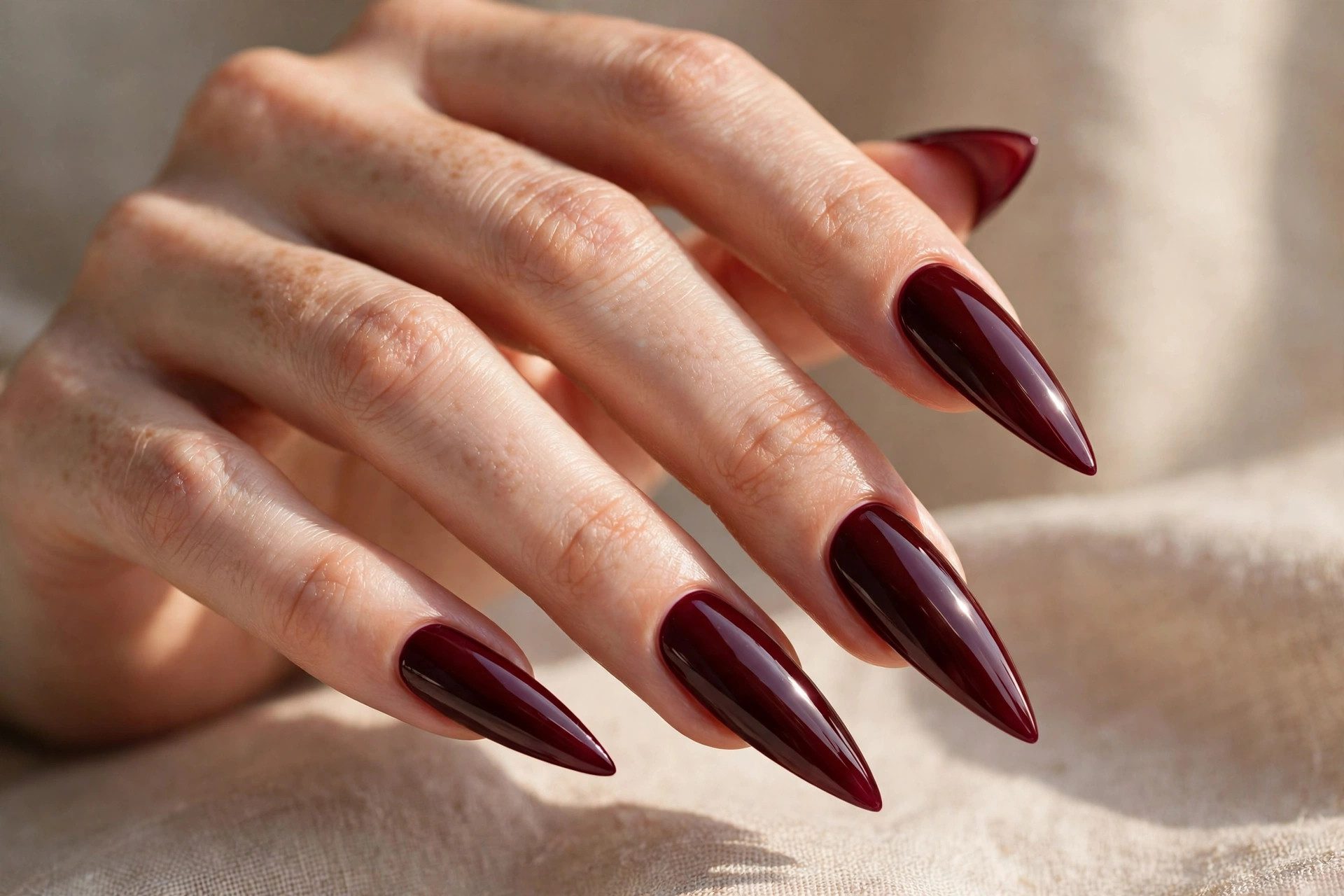
Stiletto Press-On Nails: The Bold Shape Spiking Now
Stiletto press-on nails are the sharpest shape in the box — and US searches just jumped more than 2,000% in a week. Here's who they suit, how long they actually last, and how to wear them without regretting it.
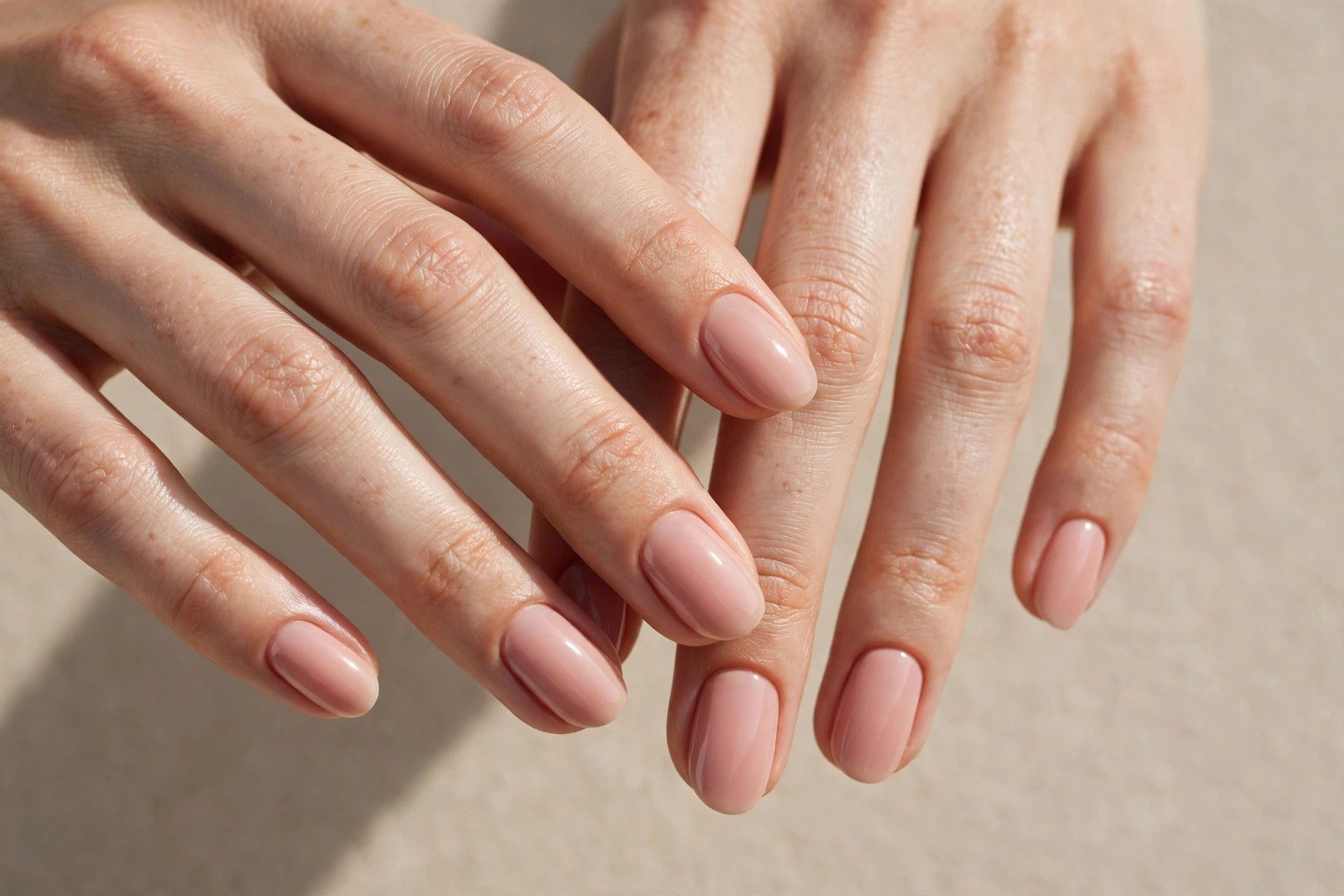
Oval Press-On Nails: The Shape Taking Over
Oval press-on nails are the quiet shape suddenly getting loud — searches jumped more than 4,000% in a week. Here's why the softest shape in the box is winning, and how to wear it.
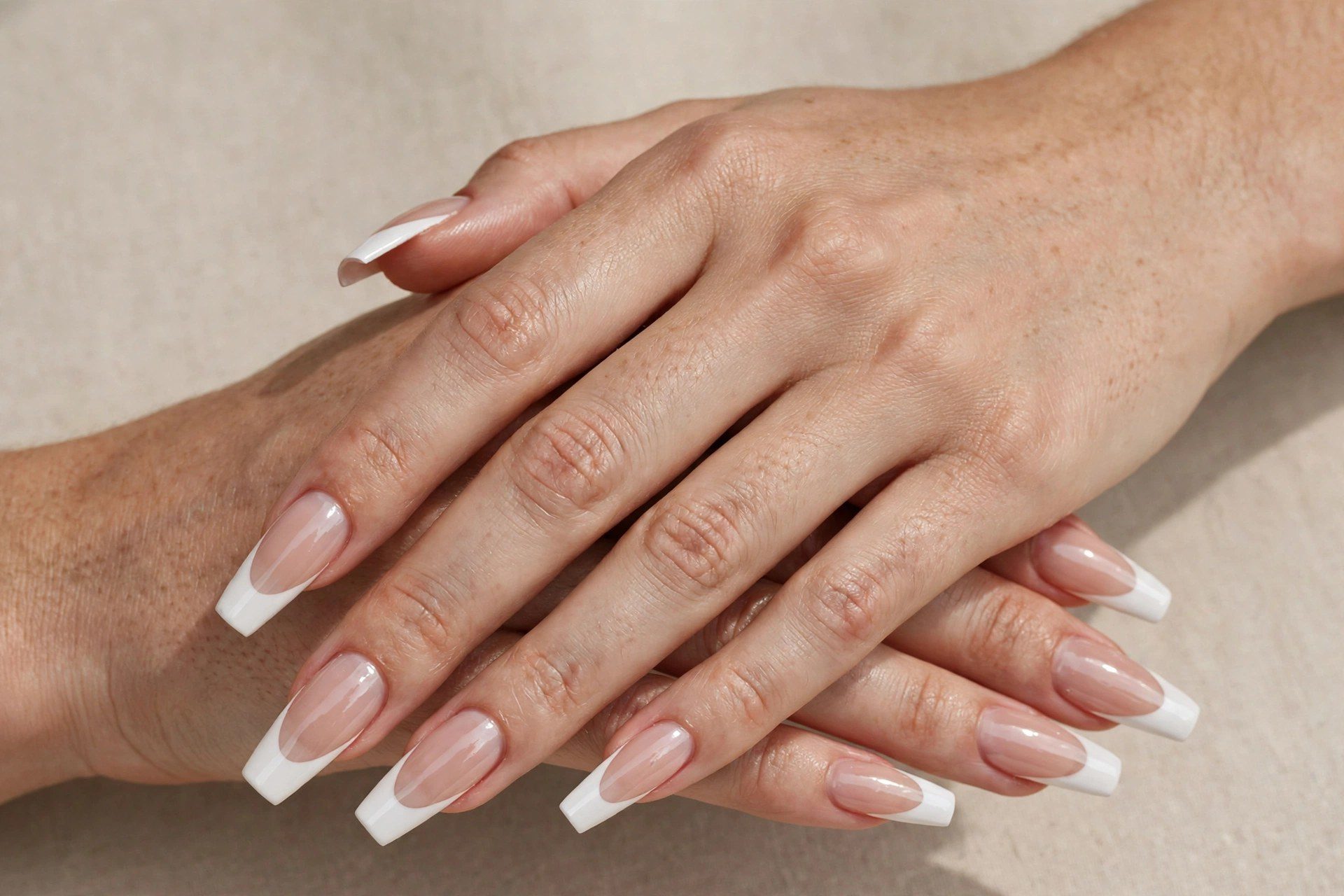
Coffin French Tip Press-On Nails That Look Salon-Done
Coffin French tip press-on nails pair the long, tapered coffin shape with crisp white tips — bold, clean, and surprisingly easy to wear. Here are the lengths, tip styles, and the application routine that keeps them on.